
Natural Gas vs Propane
Gas Line Services
Expert Fuel System Selection, Installation & Conversion for Homes and Businesses
Choosing between natural gas and propane is one of the first decisions you'll face in Northern Virginia. It comes up when you're installing a new gas line, fireplace, or appliance. Both fuels power the same equipment — gas fireplaces, ranges, water heaters, outdoor grills, and generators. But they differ in how they're delivered, what they cost to install, and which properties can access them.
NOVA Gas Works installs and services both natural gas and propane systems. We work throughout Falls Church, Arlington, Fairfax, and the greater DC metro area. This comparison is based on what we see on real job sites — not a generic buyer's guide. Here's what actually matters, whether you're planning a new install, a fuel conversion, or a commercial build-out.
As licensed Master Gasfitters serving Northern Virginia, Washington DC, and Maryland, we install and service both natural gas and propane systems. We take a consultative approach—evaluating your fuel access, energy needs, and long-term costs—so you can make an informed decision with confidence.
What’s the Difference Between Natural Gas and Propane?
Natural gas and propane are both clean-burning fuels. But they reach your home in different ways, and that affects how each system is installed.
Natural gas is piped in continuously through the local utility grid. There's no tank to monitor or refill. Propane is stored on-site in an above-ground or underground tank. It's delivered by truck as needed. Propane has a higher energy density than natural gas — it delivers more BTUs (a measure of heat energy) per cubic foot. That's why propane systems are often sized differently than natural gas systems.
Our guide to running multiple gas appliances on one line covers pipe sizing and BTU load in more detail. For most homeowners, the real question is simpler: does natural gas service reach your property?
Natural Gas
🔥Delivered via underground utility pipelines
🔥Requires a connection to the municipal gas grid
🔥Lower cost per BTU in most urban and suburban areas
🔥Continuous fuel supply (no tanks to refill)
🔥Ideal for homes and businesses in well-developed areas
🔥Metered usage and billed monthly by utility provider
Propane Gas
🔥Delivered by truck and stored in an on-site tank
🔥Works well in rural or off-grid locations
🔥Higher BTU output per cubic foot (more energy dense)
🔥Offers flexibility in tank placement and fuel management
🔥Requires routine refilling and tank monitoring
🔥Can be purchased in bulk or leased from a provider
Natural Gas vs. Propane: Which Is Better for Your Home?
Neither fuel is universally “better.” The right choice depends on a few things:
- What's already available at your property
- How you'll use the space
- Your long-term plans
Natural gas tends to be more convenient where utility service already exists, since there's no tank to schedule refills for. Propane makes sense in a few common situations:
- Your property doesn't have gas utility access
- You're powering an outdoor living space some distance from the house
- You want a backup fuel source for a generator, since the supply sits on-site instead of depending on a utility line
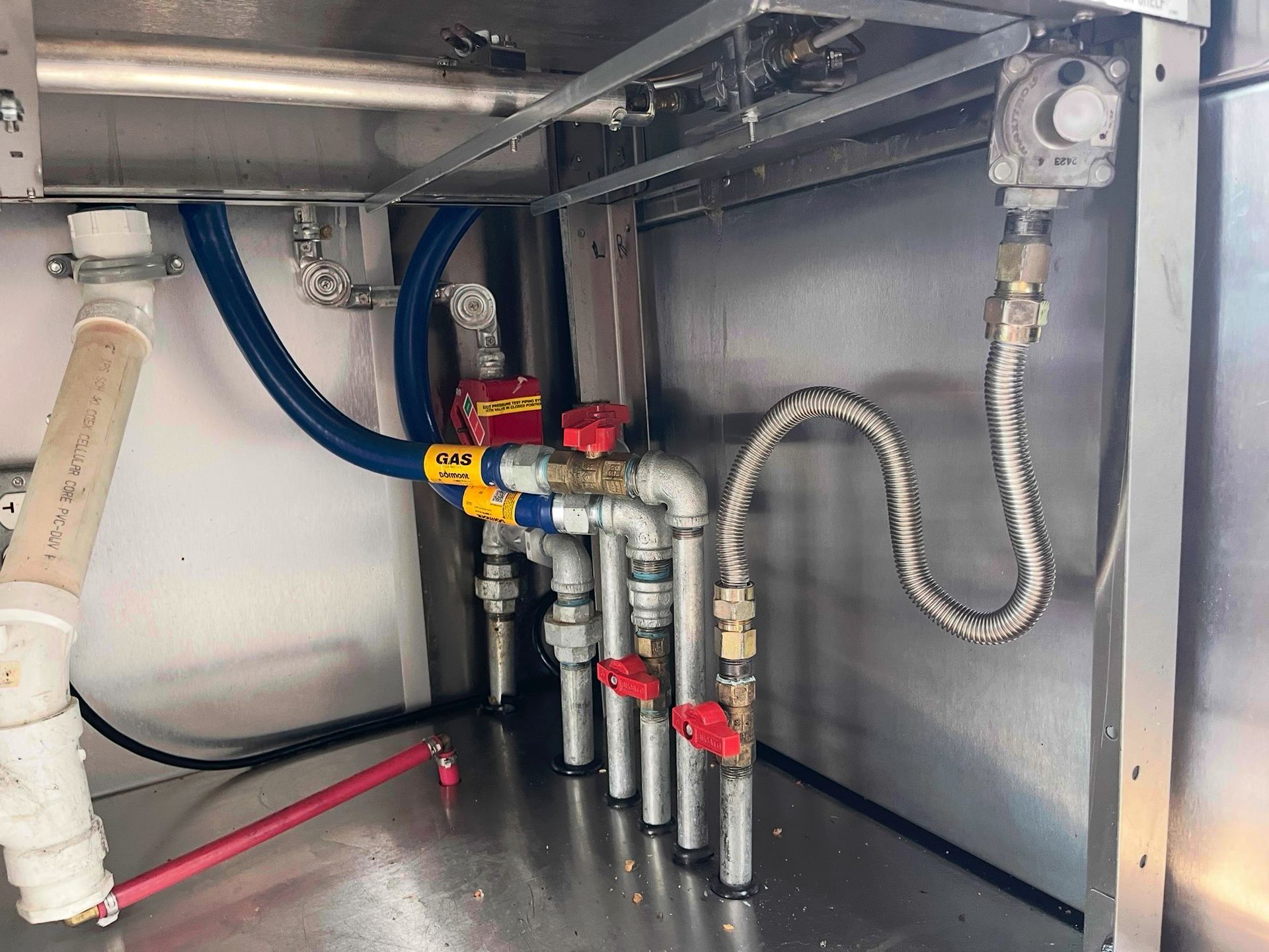
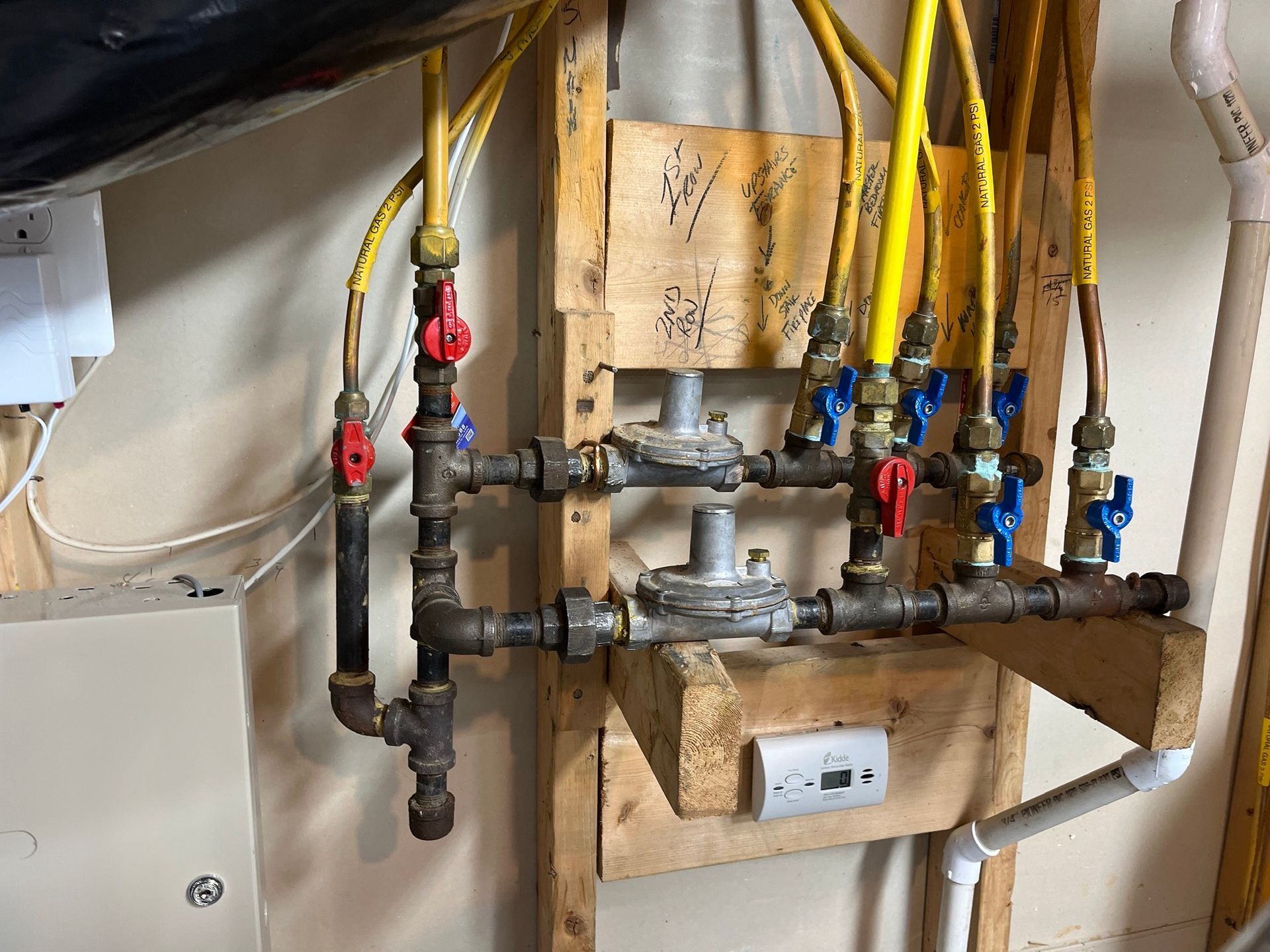
Most modern gas appliances — fireplaces, ranges, water heaters, outdoor grills — can run on either fuel. But the orifices, regulators, and sometimes the appliance itself have to match the fuel type.
This isn't a place for guesswork. Using the wrong fuel setting on a gas appliance is a genuine safety hazard. That's why this decision — and the installation that follows it — should always go through a licensed gas professional.
NOVA Gas Installs Both Natural Gas and Propane Systems
Whether you’re installing a new fuel system or converting from one to the other, we can help. NOVA Gas is fully licensed and equipped to design, install, and pressure-test systems for both fuel types.
Our Services Include:
🔥Natural gas line installation
🔥Propane gas line installation
🔥Gas meter tie-ins and utility coordination
🔥Propane tank sizing, siting, and trenching
🔥Fuel line routing to indoor and outdoor appliances
🔥Conversion of appliances between propane and natural gas
🔥Pressure testing, leak detection, and safety checks
🔥Compliance with local codes and utility standards
We’ll coordinate with your builder or designer to make sure your fireplace looks incredible—and performs flawlessly.
Can You Convert an Existing System Between Propane and Natural Gas?
Converting an existing system between propane and natural gas is one of our most requested services. It comes up often when a utility gas line is newly extended into a neighborhood that previously relied on propane.
Converting from propane to natural gas takes more than swapping a tank for a meter. The same is true if you're setting up propane from scratch. Here's what's typically involved:
- Resizing or replacing appliance orifices and regulators for the new fuel's pressure and BTU output
- Re-running or resizing gas lines as needed
- Pressure-testing the whole system before it goes back into service
NOVA Gas Works handles the full conversion from start to finish. We confirm whether utility gas has reached your street, reconfigure or replace appliance components, and finish with testing and inspection. Nothing is left half-finished or unsafe.
If your property already uses gas but you’re considering switching fuel types, NOVA Gas can assist with full-service conversion.
We’ll evaluate your current infrastructure, determine compatibility with your appliances, and identify the best path forward.
Conversion Services May Include:
🔥Retrofitting gas appliances for new fuel
🔥Replacing incompatible equipment
🔥Adjusting regulator settings and flow rates
🔥Reconfiguring gas line routing
🔥Updating venting systems or clearance zones
🔥Coordinating utility disconnection and reconnection
🔥Conducting a full safety inspection and pressure test
This is paragraph text. Click it or hit the Manage Text button to change the font, color, size, format, and more. To set up site-wide paragraph and title styles, go to Site Theme.
Which Fuel Is Right for You?
There’s no one-size-fits-all answer—but our licensed gasfitters can help you weigh the pros and cons based on your specific location and needs.
Natural Gas May Be Right If:
🔥You already have utility access on your property
🔥You prefer consistent monthly billing through a utility
🔥You're building in a neighborhood with utility infrastructure
🔥You want the convenience of uninterrupted fuel supply
Propane May Be Right If:
🔥You're in a rural area without natural gas lines
🔥You want full control over your fuel storage and refills
🔥You’re installing outdoor gas appliances far from the meter
🔥You value higher energy output and off-grid capabilities
Which Fuel Is Available at Your Property?
Natural gas already reaches most homes in Falls Church, Arlington, Alexandria, and the inner DC suburbs. Utility service runs right to the street, which makes natural gas the simpler, more common choice in these areas.
Parts of Loudoun County and rural stretches of Fairfax County often don't have nearby utility gas mains. These areas typically rely on propane instead, with an on-site tank taking the place of a utility connection.
We check utility gas availability as part of every estimate. That way, you're never guessing which fuel your property can actually support before work begins.
Propane Tank Installation & Trenching Services
If propane is the right fuel for your property, NOVA Gas provides complete tank installation and underground trenching services.
🔥Propane tank sizing based on usage demands
🔥Above-ground and underground tank placement
🔥Secure trenching and line routing to home or building
🔥Regulator installation and appliance connection
🔥Leak testing and inspection compliance
🔥Referrals to trusted propane suppliers for regular fuel delivery
We ensure that your propane system is not only efficient—but also compliant with setback requirements, ventilation rules, and other safety regulations.
Fuel System Planning for Residential & Commercial Projects
Choosing a gas fuel source is often part of a larger construction or renovation project. NOVA Gas works with homeowners, builders, developers, and mechanical contractors to integrate the right gas system into your plans.
We’ll help you select the right fuel type during:
New home construction
Restaurant or commercial kitchen design
Generator and HVAC installations
Pool, spa, or outdoor living upgrades
Rural home or cabin projects
Conversions from electric to gas systems
Fuel Type Compatibility & Appliance Selection
Not all gas appliances are universal—many are designed for a specific fuel type. NOVA Gas will confirm compatibility or help you find the right unit.
We’ll also guide you on the differences in:
🔥Burner configuration
🔥Gas pressure requirements
🔥Regulator settings
🔥Flame characteristics
🔥Venting or clearance needs
Using the wrong fuel setting on a gas appliance is a genuine safety hazard. This kind of fuel-type change should always go through a licensed gas professional.
If you're purchasing new appliances, we’ll make sure they’re properly configured for your chosen fuel. Already have appliances? We’ll verify if they can be converted—or if a replacement is more cost-effective.
Compliance, Safety & Efficiency
Whether using natural gas or propane, NOVA Gas ensures all installations are completed in accordance with:
🔥International Fuel Gas Code (IFGC)
🔥State and local building codes
🔥Manufacturer specifications
🔥Utility provider requirements
🔥Safety regulations for pressure, venting, and clearances
Every job includes full leak testing, pressure verification, and final inspections. We don’t just meet code—we exceed expectations.
Ready to Compare Fuel Options? We’re Here to Help.
Still unsure which fuel is the better fit? Our team is happy to review your property, energy needs, and long-term goals to recommend the right gas line installation service for you.
We offer honest, professional guidance—without upselling or pressure.
Reviewed by Kime Brittain, Owner — NOVA Gas Works | Licensed Master Gasfitter, VA & MD
📞 Call us at (703) 424-5467
📧 Email Kime@novagasworks.com
📍 2820 Dorr Ave, Fairfax, VA 22031 – Serving VA, MD & DC
Natural Gas vs Propane Services FAQs
Is natural gas cheaper than propane?
Natural gas is typically lower cost per BTU than propane. But the real comparison depends on your property's utility access, appliance efficiency, and installation scope. We provide a free, no-obligation quote based on your specific property, not a one-size-fits-all number.
Can I switch from propane to natural gas if utility service reaches my street?
Yes. We handle full propane-to-natural-gas conversions. This includes confirming utility access, resizing or replacing appliance orifices and regulators, and pressure-testing the finished system.
Do propane and natural gas appliances use the same parts?
No. Propane and natural gas differ in pressure and energy density. Appliance orifices and regulators have to match the fuel type. Using the wrong setting is a genuine safety hazard — always have a licensed gas professional handle it.
Is propane safe to use in a home without natural gas access?
Yes. Propane is safe when a licensed contractor installs and maintains the tank and gas lines. The tank also needs to meet required safety setbacks. We install and service propane systems throughout Northern Virginia, DC, and Maryland.
Does NOVA Gas Works install both natural gas and propane systems?
Yes. We're licensed for both fuel types in Virginia and Maryland. We serve homeowners and commercial clients across Falls Church, Arlington, Fairfax, and the greater DC metro area.