Replacing a Gas Fireplace
Should You Get a Second Opinion Before Replacing a Gas Fireplace?
Few things are more frustrating than settling in for a cozy evening only to discover your gas fireplace won't light—or worse, being told it can't be repaired.
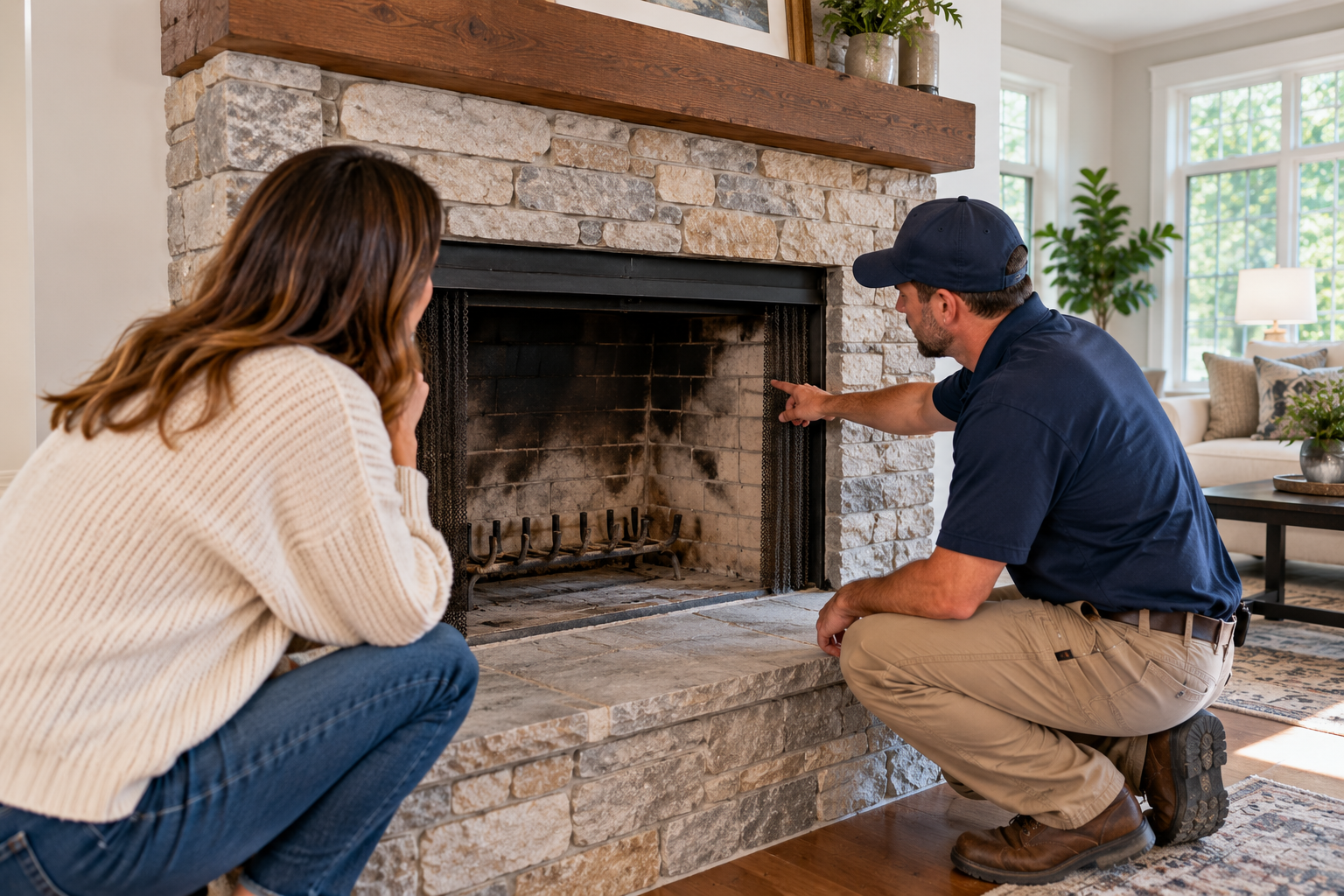
Recently, a Northern Virginia homeowner contacted NOVA Gas after another company inspected their natural gas fireplace and concluded it needed to be replaced. Wanting to be certain before making such a significant investment, the homeowner sought a second opinion. After a thorough inspection, the NOVA Gas team identified the actual issue, completed the necessary repairs, and restored the fireplace to safe working order.
While every fireplace is different, this experience highlights an important point: not every gas fireplace that stops working needs to be replaced. In many cases, an experienced gas fireplace technician can diagnose and repair problems that may initially appear more serious.
If you've been told your gas fireplace can't be repaired, obtaining a second opinion could save you thousands of dollars while extending the life of your existing system.
Can a Gas Fireplace Be Repaired?
Yes—in many cases, it can.
Gas fireplaces are made up of several components that naturally wear over time. A malfunctioning fireplace doesn't necessarily mean the entire unit has reached the end of its life.
Many repairable issues involve:
- Ignition systems
- Pilot assemblies
- Thermocouples and flame sensors
- Gas valves
- Control modules
- Wall switches
- Remote controls
- Burner assemblies
- Electrical connections
An experienced technician can often isolate the problem and replace or repair the affected component without replacing the entire fireplace.
Why Do Gas Fireplaces Stop Working?
Like any gas appliance, fireplaces experience wear from regular use. Dust, moisture, aging components, and seasonal inactivity can all affect performance.
Some of the most common problems include:
Pilot Light Won't Stay Lit
A faulty thermocouple, thermopile, or pilot assembly may prevent the fireplace from staying lit.
Ignition Problems
Electronic ignition systems can develop worn components or electrical issues that prevent the burner from igniting properly.
Dirty Burners
Dust, pet hair, spider webs, and debris can interfere with proper gas flow and combustion.
Faulty Gas Valves
Gas valves regulate fuel flow to the appliance. Over time, internal components may wear or fail.
Switch or Remote Problems
Sometimes the fireplace itself isn't the issue. Wall switches, remote controls, batteries, or receivers may simply need servicing or replacement.
Ventilation Issues
Blocked or damaged venting systems can affect fireplace performance and should always be professionally inspected.
Many of these problems can be repaired without replacing the fireplace itself.
When Does a Gas Fireplace Actually Need Replacement?
Although many fireplaces can be repaired, replacement is sometimes the safest and most practical solution.
Replacement may be recommended when:
- The firebox has significant structural damage.
- Critical safety components are no longer manufactured or available.
- The venting system no longer meets safety requirements.
- Multiple major components have failed and repair costs approach replacement value.
- The fireplace has reached the end of its expected service life and can no longer be safely maintained.
A qualified gas fireplace technician can explain whether repair or replacement makes the most sense based on your specific fireplace and its condition.
Why a Second Opinion Can Save You Money
Replacing a gas fireplace can be a major investment. Before making that decision, it's worth having an experienced gas contractor perform an independent inspection.
Different technicians have different levels of experience with fireplace diagnostics. While one company may recommend replacement based on an initial assessment, another technician may identify a repair that safely restores the system to proper operation.
A second opinion may help you:
- Avoid unnecessary replacement costs
- Better understand the condition of your fireplace
- Explore repair options
- Extend the life of your existing system
- Make a more informed decision
Every fireplace is different, and every diagnosis deserves a careful evaluation.
Signs Your Gas Fireplace Needs Professional Service
If you notice any of the following issues, it's a good idea to schedule a professional inspection:
- Fireplace won't ignite
- Pilot light repeatedly goes out
- Delayed ignition
- Weak or uneven flames
- Unusual odors or gas leaks
- Soot buildup
- Clicking sounds without ignition
- Burner won't stay lit
- Remote or wall switch stops working
Addressing these issues early can often prevent larger repairs later.
Regular Maintenance Helps Prevent Repairs
Many gas fireplace problems develop gradually and can be identified during routine maintenance.
Annual fireplace service typically includes:
- Cleaning burners
- Inspecting pilot assemblies
- Testing ignition systems
- Checking gas pressure
- Inspecting venting
- Verifying safety controls
- Cleaning accumulated debris
- Testing overall operation
Routine maintenance helps keep your fireplace operating safely and efficiently throughout the heating season.
Why Choose NOVA Gas for Gas Fireplace Repair?
Gas fireplaces require specialized knowledge of fuel systems, combustion, venting, and safety controls. Choosing an experienced gas contractor ensures problems are accurately diagnosed and repaired using industry best practices.
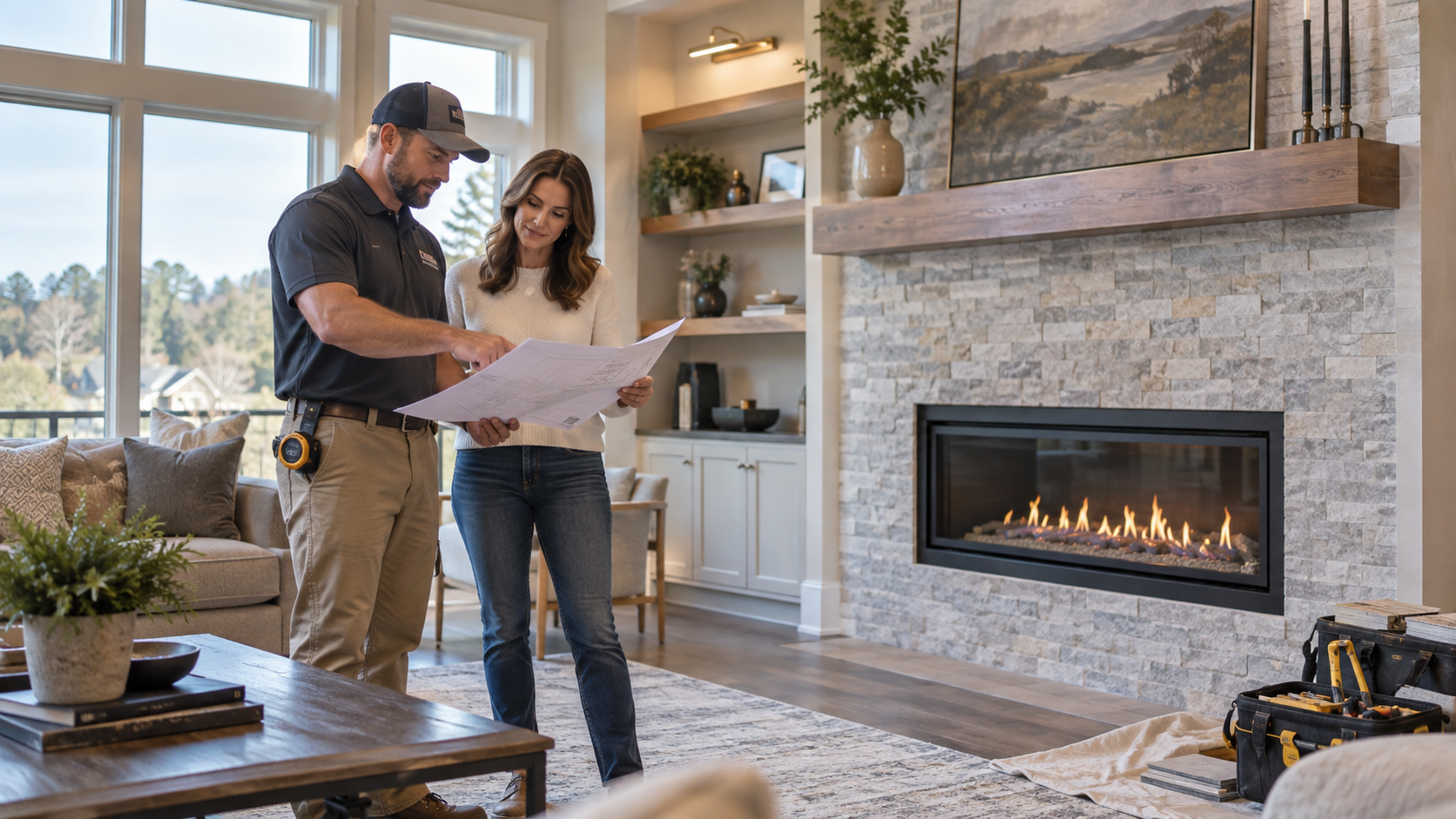
At NOVA Gas, we provide professional gas fireplace inspections, maintenance, gas line installation, and repair services throughout Northern Virginia. Our team carefully evaluates each fireplace to determine the safest and most cost-effective solution, whether that involves a repair or replacement recommendation.
If you've been told your gas fireplace can't be repaired—or you're simply experiencing performance issues—we encourage you to have it evaluated before making a final decision.
A second opinion could help restore your fireplace, extend its lifespan, and save you from an unnecessary replacement.
Contact NOVA Gas today to schedule a professional gas fireplace inspection and learn whether your fireplace can be safely repaired.
Frequently Asked Questions
Q: Can most gas fireplaces be repaired?
A: Many gas fireplace problems involve replaceable components such as ignition systems, pilot assemblies, gas valves, or controls. A professional inspection can determine whether repair is a safe and practical option.
Q: Should I replace my gas fireplace if it won't light?
A: Not necessarily. Ignition problems, pilot light issues, and faulty controls are often repairable. An inspection by an experienced gas fireplace technician can help identify the actual cause.
Q: How often should a gas fireplace be serviced?
A: Annual maintenance is generally recommended to inspect safety systems, clean burners, test ignition components, and verify proper operation before the heating season.
Q: Is it worth getting a second opinion on a gas fireplace?
A: Yes. If you've been told your fireplace needs replacement, obtaining a second opinion from an experienced gas contractor may help you better understand your options before making a significant investment.
Q: What are the signs my gas fireplace needs repair?
A: Common signs include ignition problems, pilot lights that won't stay lit, unusual odors, soot buildup, weak flames, delayed ignition, or burners that won't remain lit.