Convert a Wood Fireplace to Gas in Northern VA
Converting a Wood-Burning Fireplace to Gas: Costs, Benefits, and Process
Converting a real wood-burning fireplace to gas is one of the most popular fall home upgrades for homeowners who want more convenience, less mess, and easier everyday use. Instead of hauling wood, cleaning ash, and dealing with inconsistent fires, a gas fireplace conversion can give you cleaner operation, faster startup, and better control over your indoor comfort.
For many homeowners, the biggest question is not whether they want a gas fireplace. It is how the conversion works, what affects the cost, and whether their existing fireplace is a good candidate.
At NOVA Gas, we help homeowners understand the gas fireplace conversion process so they can make an informed decision before colder weather arrives.
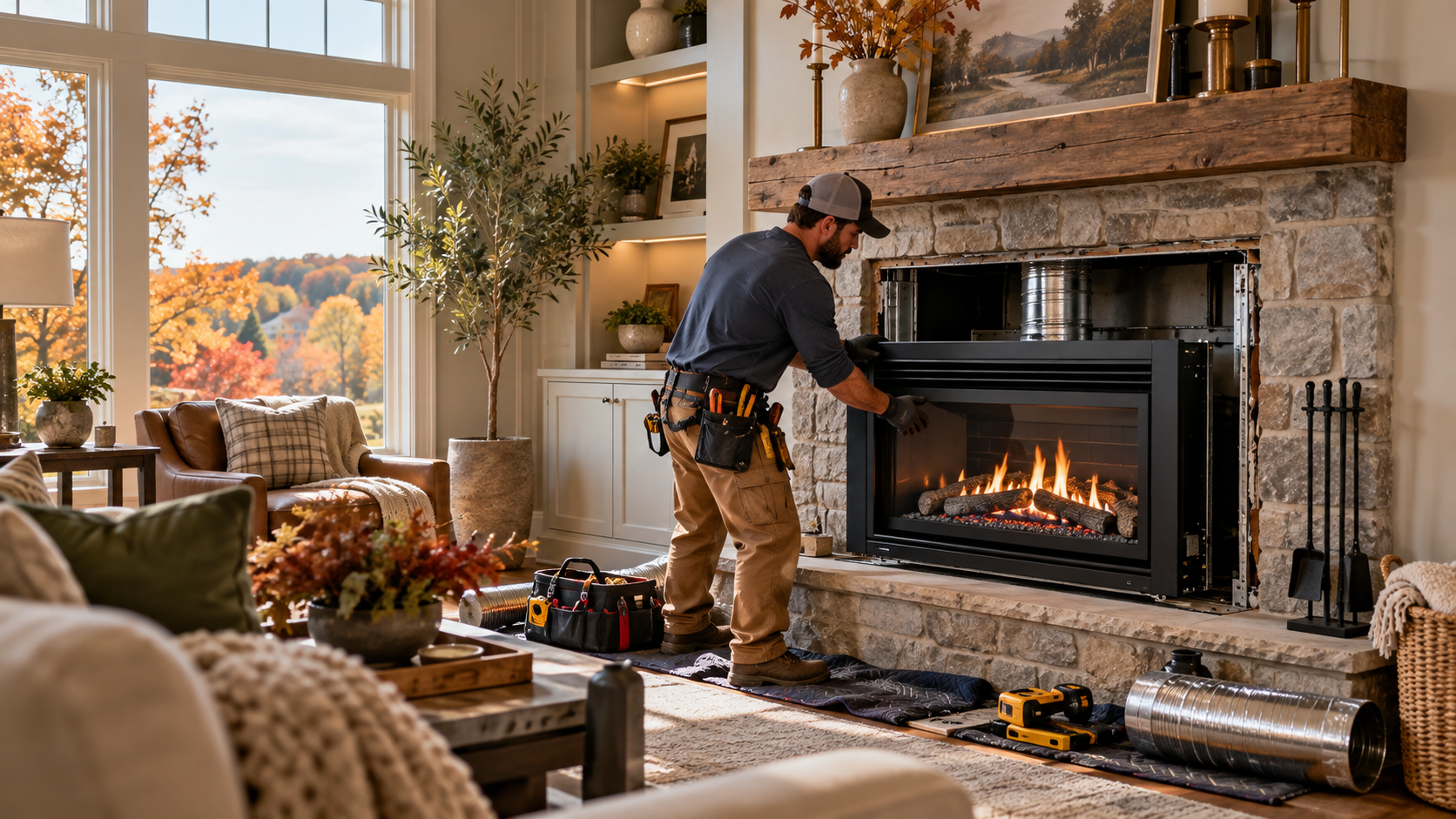
Can You Convert a Wood-Burning Fireplace to Gas?
Yes, many wood-burning fireplaces can be converted to gas.
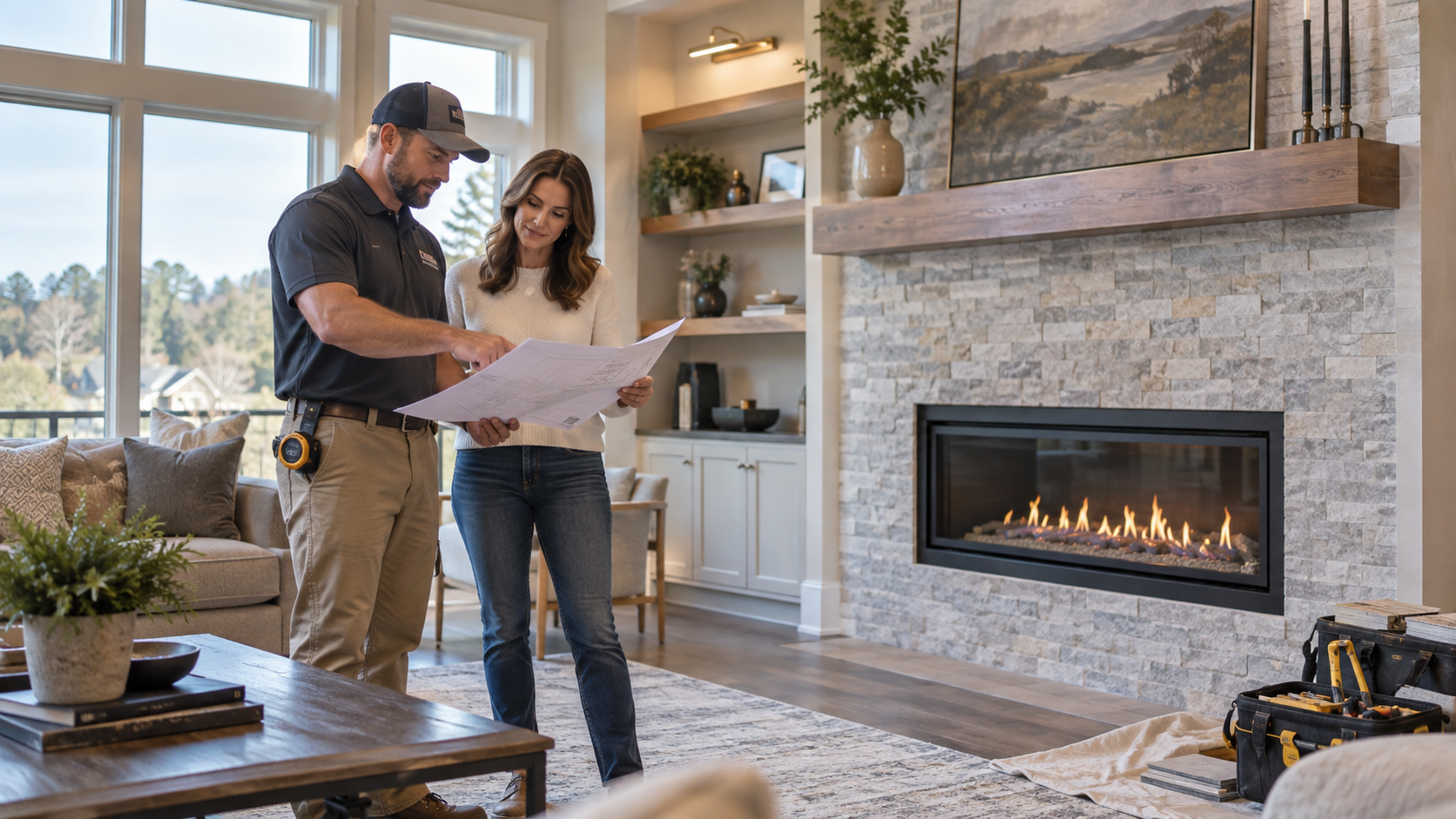
However, the right type of conversion depends on the existing fireplace, chimney, venting conditions, home layout, and the kind of finished result you want. In some cases, the best option may be a gas log set. In others, a gas fireplace insert may make more sense.
A professional evaluation can help determine:
- Whether the fireplace is a good candidate for conversion
- What type of gas fireplace system is most appropriate
- Whether a new gas line is needed
- What venting or chimney work may be required
- What finish work or modifications may be involved
Why Homeowners Convert a Fireplace to Gas
A wood-burning fireplace can be beautiful, but it also comes with more work and maintenance than many homeowners want.
Common reasons homeowners choose a gas fireplace conversion include:
- Easier operation
- No hauling or storing firewood
- No ash cleanup
- No smoke smell inside the home
- Faster on-and-off control
- Cleaner day-to-day use
- More consistent flame performance
- Improved convenience for everyday enjoyment
Many homeowners also like the look of a finished gas fireplace upgrade as part of a larger remodeling or home-improvement project.

What Are the Benefits of a Gas Fireplace Conversion?
A gas fireplace conversion can improve both the function and comfort of the room.
More Convenience
One of the biggest advantages is ease of use. With gas, you do not have to build a fire from scratch. Many systems can be turned on quickly and controlled much more easily than a traditional wood fire.
Cleaner Operation
Gas fireplaces eliminate many of the messier aspects of wood burning, including ash, soot, bark, and wood debris around the hearth area.
Better Everyday Use
Many homeowners rarely use their wood-burning fireplace because it feels like too much work for a short evening fire. Gas often makes the fireplace much more practical for regular use.
Updated Appearance
A conversion can also be part of a broader fireplace update that improves the look of the room.
Potential Comfort Improvement
Depending on the type of system selected, a gas fireplace conversion may provide more usable heat than the original open wood-burning fireplace setup.
What Types of Gas Fireplace Conversions Are Available?
Not every conversion looks the same. Two of the most common options are gas log sets and gas fireplace inserts.
Gas Log Sets
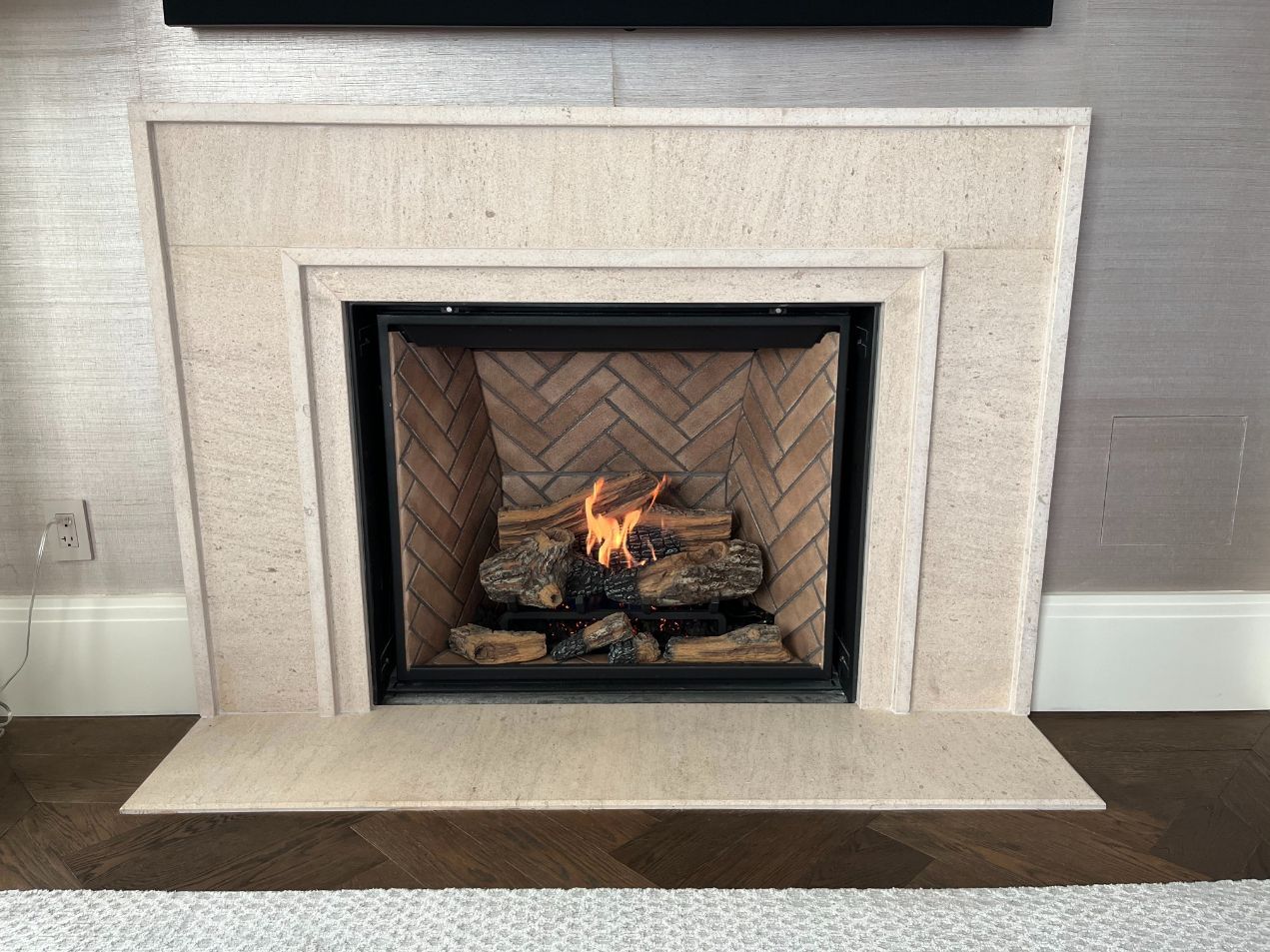
Gas log sets are designed to create the appearance of a traditional fire within an existing fireplace opening. They are often chosen by homeowners who want to keep a more classic fireplace look.
Gas Fireplace Inserts
A gas insert is a more substantial conversion option that installs within the existing fireplace opening and creates a more finished gas appliance system. Inserts are often selected when homeowners want a more complete upgrade in appearance and performance.
The best choice depends on the goals of the project, the existing fireplace, and the home itself.
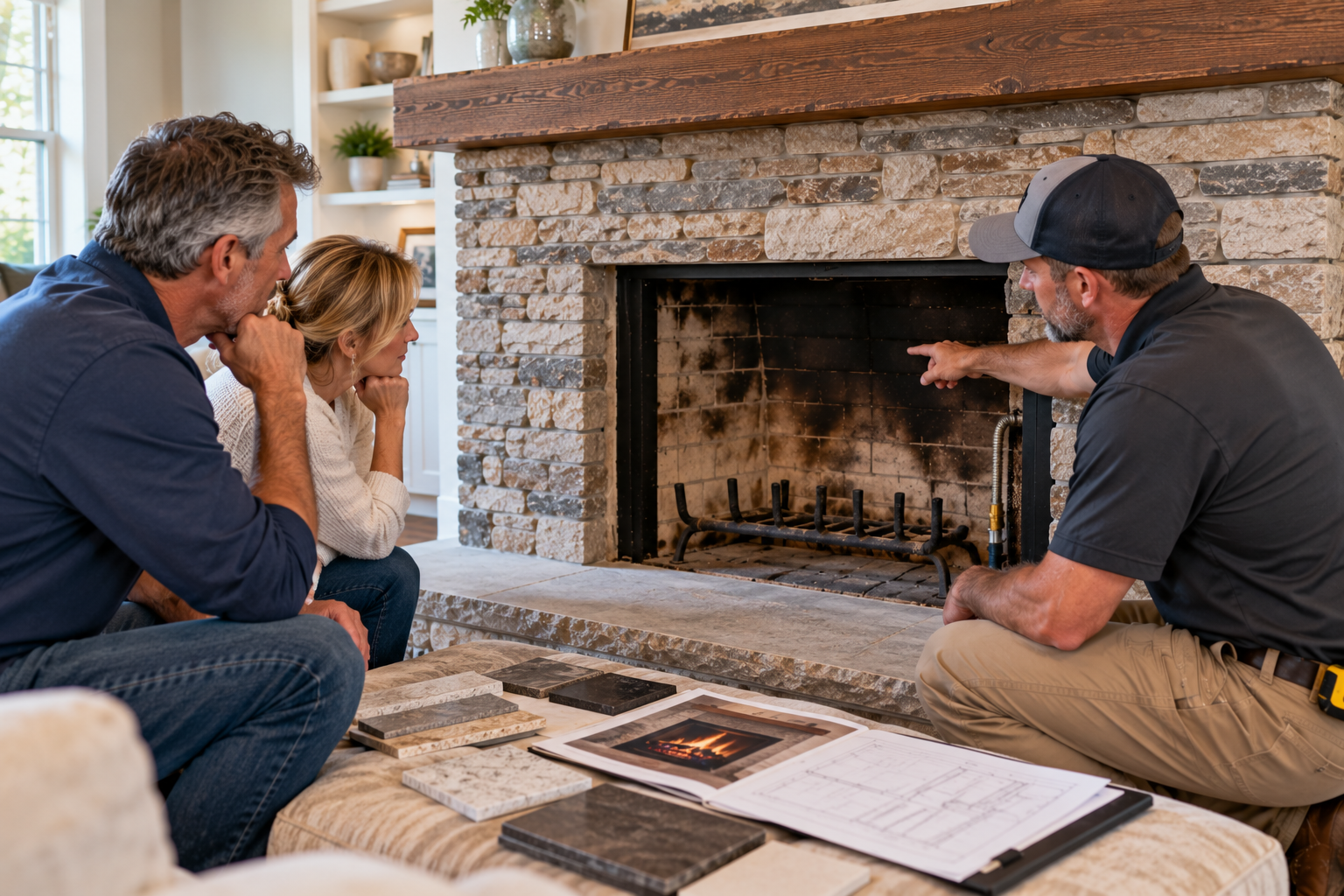
What Affects the Cost of Converting a Fireplace to Gas?
The cost of converting a wood-burning fireplace to gas can vary significantly from one home to another.
Some of the main cost factors include:
- Type of gas system being installed
- Whether a gas line already exists nearby
- Distance from the gas source
- Gas line routing complexity
- Venting or chimney requirements
- Condition of the existing fireplace
- Finish work around the fireplace
- Insert size and style
- Permit or inspection requirements
- Whether related carpentry, framing, or tile work is needed
In general, a simpler gas log conversion may cost less than a full insert project, but every home is different. The only reliable way to understand the actual scope is to have the fireplace evaluated.
Do You Need to Add a Gas Line?
In many cases, yes.
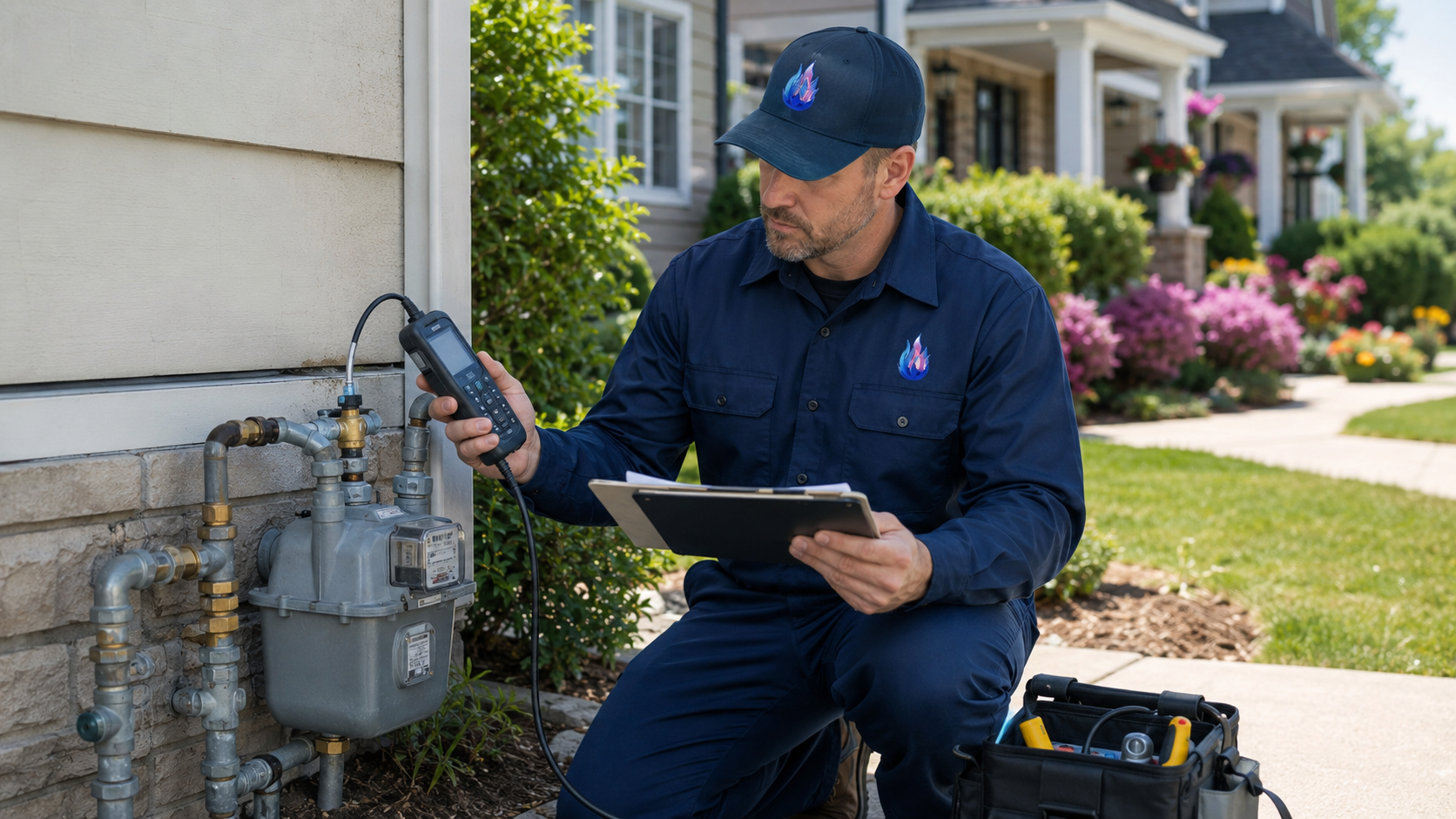
A gas fireplace conversion often requires adding a new gas line or extending an existing one to the fireplace location. The gas system must also be evaluated to make sure it can support the new appliance safely and properly.
That evaluation may include:
- Existing appliance demand
- Gas pipe sizing
- Available gas pressure
- Distance to the fireplace
- Shutoff valve placement
- Access for installation
This is why fireplace conversion should always begin with the gas system, not just the visible fireplace opening.
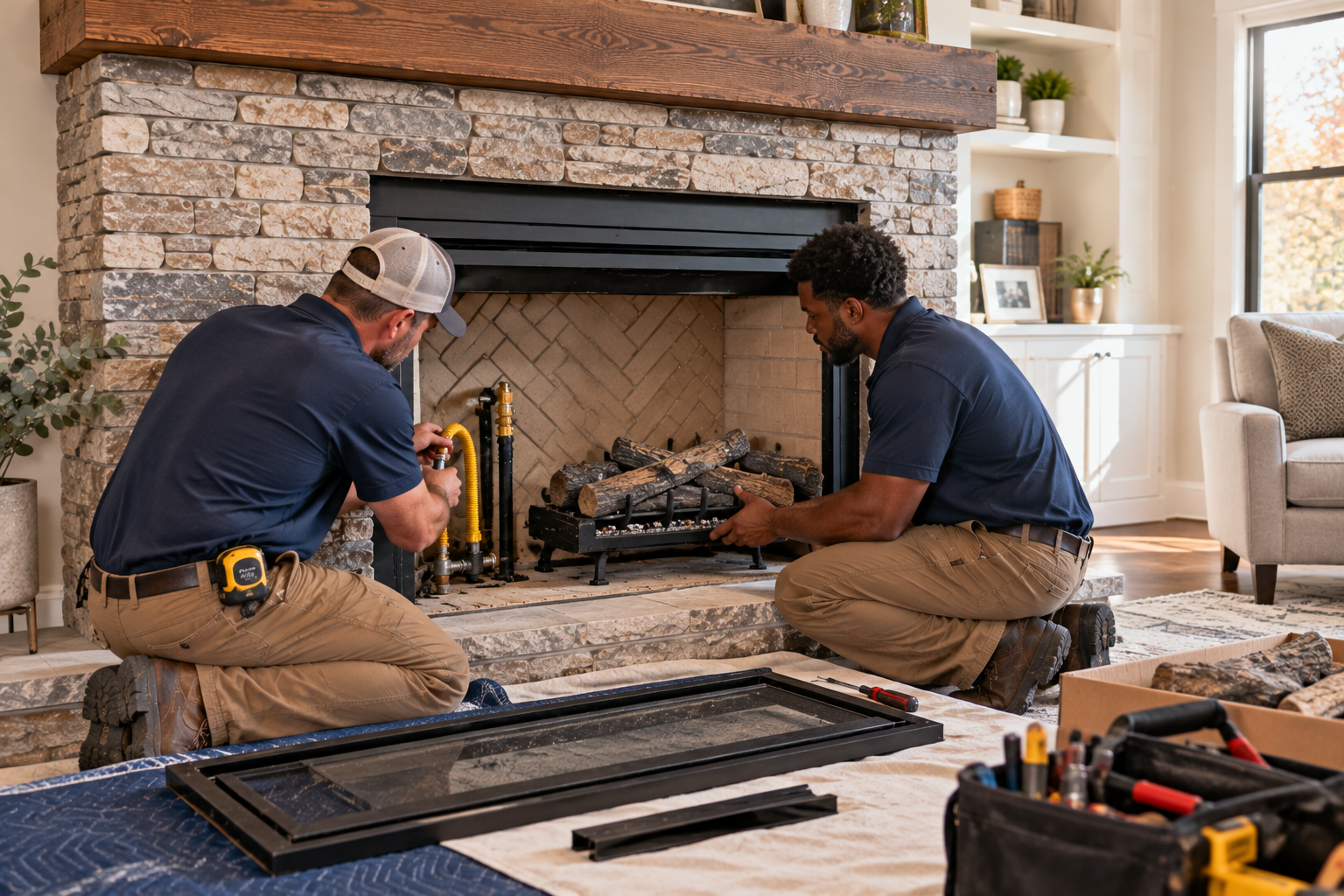
What Is the Process for Converting a Fireplace to Gas?
The exact process depends on the home and the fireplace, but most projects follow a similar sequence.
1. Evaluate the Existing Fireplace
The first step is determining what type of fireplace you currently have and whether it is a good candidate for gas conversion.
2. Choose the Conversion Approach
The homeowner and contractor decide whether the best fit is a gas log set, gas insert, or another approved gas fireplace solution.
3. Evaluate the Gas Supply
The existing gas system is reviewed to determine whether a new gas line is needed and whether the system has adequate capacity.
4. Install or Extend the Gas Line
If needed, a gas line is added or extended to serve the fireplace.
5. Complete Fireplace Installation
The selected gas components are installed according to the appliance requirements and project needs.
6. Address Surrounding Finish Work
Depending on the project, surrounding carpentry, framing, tile, or finish updates may also be part of the installation.
7. Test the System
The gas system and fireplace are checked to verify proper operation before the project is completed.
Why Professional Installation Matters
Converting a wood-burning fireplace to gas is not a DIY project.
The work may involve fuel gas piping, appliance installation, venting considerations, system sizing, testing, and finish work around the fireplace.
A professional installation helps ensure the fireplace is not only attractive, but also installed correctly and safely.
Professional installation also helps avoid common problems such as:
- Improper gas-line sizing
- Poor appliance fit
- Venting issues
- Incomplete finish work
- Coordination problems between multiple contractors

Why a Turnkey Contractor Can Be a Big Advantage
Many fireplace conversions involve more than gas piping alone.
Depending on the project, the work may also involve:
- Framing adjustments
- Carpentry
- Hearth or mantel modifications
- Tile work
- Surround improvements
- Finish work around the fireplace
This is one reason NOVA Gas offers a strong advantage. In addition to Master Gasfitter expertise, Kime also has experience in carpentry, framing, tile, and related construction work. That means many fireplace projects can move forward more smoothly without the homeowner having to coordinate as many separate contractors.
For homeowners, that can mean:
- Fewer scheduling delays
- Better coordination
- One primary point of accountability
- A more complete installation process
- A smoother path from old fireplace to finished upgrade
When Is the Best Time to Convert a Fireplace to Gas?
Fall is one of the best times to plan a gas fireplace conversion.
Homeowners are thinking ahead to cooler weather, holiday gatherings, and spending more time indoors. Converting before winter also gives you a better chance of completing the project before the fireplace becomes part of everyday use.
Starting early can help avoid the seasonal rush that often comes later in the heating season.

Is a Gas Fireplace Conversion Right for Your Home?
A gas fireplace conversion can be a smart upgrade for homeowners who want the beauty of a fire without the work of burning wood.
It can be especially appealing if you:
- Rarely use your wood-burning fireplace because it is inconvenient
- Want a cleaner and more modern solution
- Are remodeling the fireplace or surrounding room
- Need gas-line work anyway
- Want to improve comfort and ease of use
- Prefer a more turnkey installation experience
The best way to know what is possible is to have the fireplace and gas system evaluated by an experienced professional.
Gas Fireplace Conversions in Northern Virginia
NOVA Gas helps homeowners throughout Northern Virginia evaluate and complete gas fireplace conversion projects. Whether you are considering a gas log set, a full insert, or a broader fireplace upgrade, our team can assess the gas system, review the fireplace, and help determine the right approach.
Because NOVA Gas combines Master Gasfitter expertise with broader construction experience, we can often take fireplace projects further than companies that handle only the gas portion of the work.
If you are thinking about converting a wood-burning fireplace to gas, now is a great time to start planning before colder weather fully arrives.
Frequently Asked Questions
Q: Can any wood-burning fireplace be converted to gas?
A: Many can, but the right conversion depends on the fireplace, chimney, venting, and home layout. A professional inspection can determine what type of gas system is most appropriate.
Q: What is the difference between a gas log set and a gas insert?
A: A gas log set is designed to create the appearance of a fire within the existing fireplace opening, while a gas insert is a more complete appliance-style conversion installed within that opening.
Q: Do I need a gas line for a fireplace conversion?
A: In many cases, yes. A new gas line may need to be added or an existing line extended to serve the fireplace properly.
Q: What affects the cost of converting a fireplace to gas?
A: Cost depends on the type of system selected, gas-line work, venting or chimney needs, fireplace condition, finish work, appliance choice, and overall project complexity.
Q: Is fall a good time to convert a fireplace to gas?
A: Yes. Fall is an ideal time because homeowners are preparing for cooler weather and indoor use, and it allows the project to be completed before peak winter demand.
Q: Why hire a contractor with both gas and construction experience?
A: Many fireplace conversions involve more than gas piping. A contractor with gas, carpentry, framing, and tile experience can often complete more of the project without requiring as many additional trades.