Turnkey Gas Installation in Northern Virginia
Why One Contractor Can Make Complex Gas Projects Easier
A gas installation is not always just a gas installation.
Adding a fireplace may require framing, carpentry, tile, and finish work. Installing a built-in grill can involve modifying an outdoor kitchen. A new range may require adjustments to cabinetry or the surrounding space. Even seemingly straightforward gas appliance installations can quickly turn into projects involving several different trades.
That often leaves the homeowner coordinating a gas contractor, carpenter, tile installer, remodeler, and other professionals just to complete one project.
NOVA Gas Works offers a different approach.
As a licensed Master Gasfitter with experience in carpentry, framing, tile work, and other construction skills, owner Kime Brittain can often take a gas project much further from start to finish. Instead of completing only the gas connection and leaving the remaining work to another contractor, NOVA Gas Works can frequently handle the surrounding construction and finish work needed to complete the installation.
The result is a more streamlined, turnkey gas installation with fewer contractors to coordinate and one experienced professional who understands how all the pieces of the project fit together.
What Is a Turnkey Gas Installation?
A turnkey gas installation is a project managed from the initial planning and gas work through much of the construction and finishing necessary to leave the appliance or feature complete and ready to use.
Traditional gas installation may stop once the fuel line is installed and the appliance is connected.
A turnkey approach looks at the entire project.
Depending on the installation, that may include:
- Evaluating the existing gas system
- Planning gas-line routing
- Calculating gas demand
- Installing or extending gas piping
- Connecting the appliance
- Framing surrounding structures
- Performing carpentry modifications
- Completing certain tile or finish work
- Testing the gas system
- Coordinating the project through completion
Not every project requires all of these services, and some installations may still involve another appropriately licensed trade. But having one contractor capable of performing both specialized gas work and many of the surrounding construction tasks can dramatically simplify the process.
Why Do Gas Appliance Installations Require Other Trades?
Gas appliances are often integrated into the architecture of the home rather than simply plugged into place.
That is particularly true for custom installations.
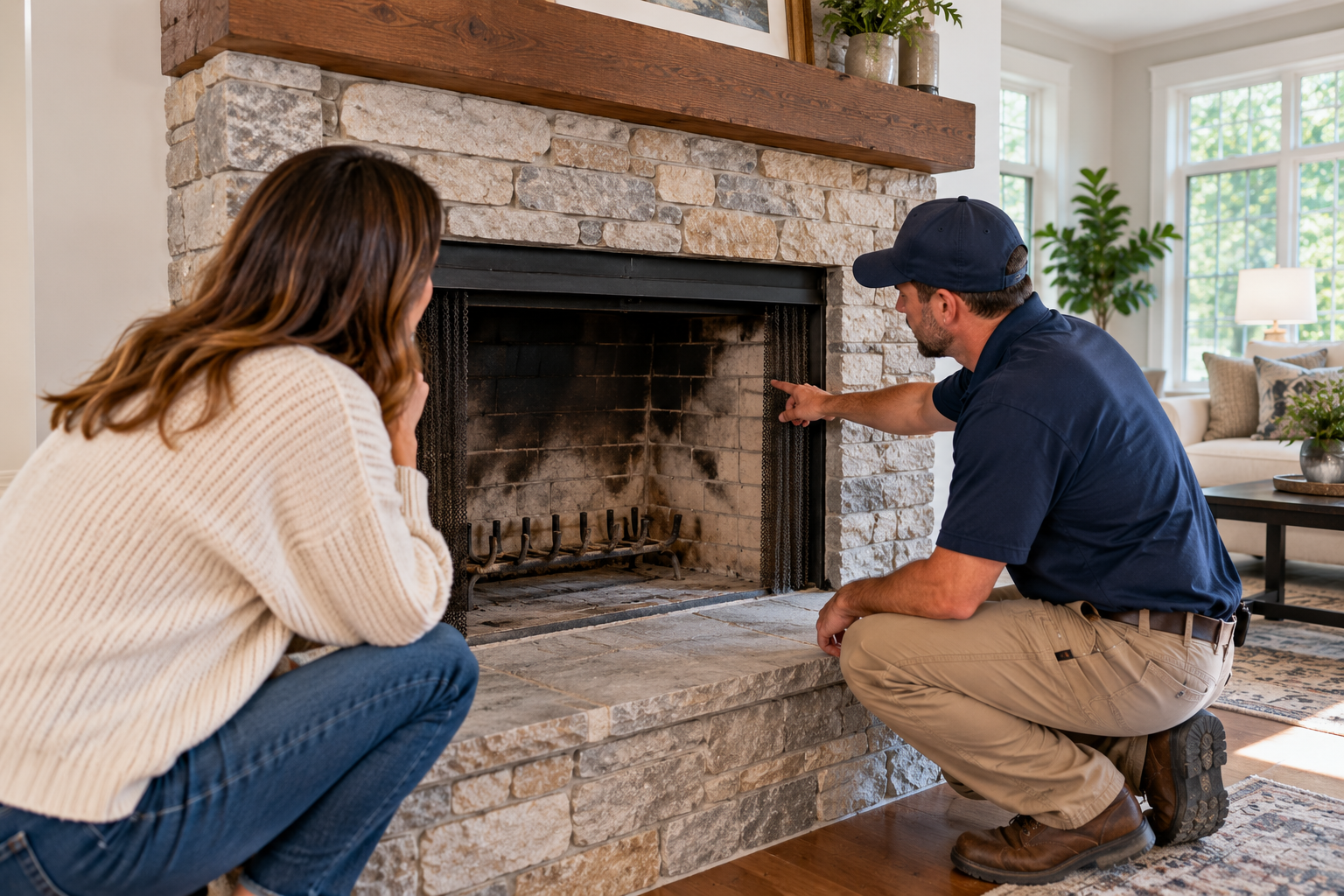
Gas Fireplaces
Installing or replacing a gas fireplace may involve much more than connecting the gas line.
Depending on the project, the surrounding area may require:
- Framing
- Carpentry
- Wall modifications
- Fireplace surround preparation
- Tile work
- Mantel modifications
- Finish work
If the gas contractor handles only the piping, the homeowner may need to find several additional contractors before the fireplace project is actually finished.
Outdoor Kitchens
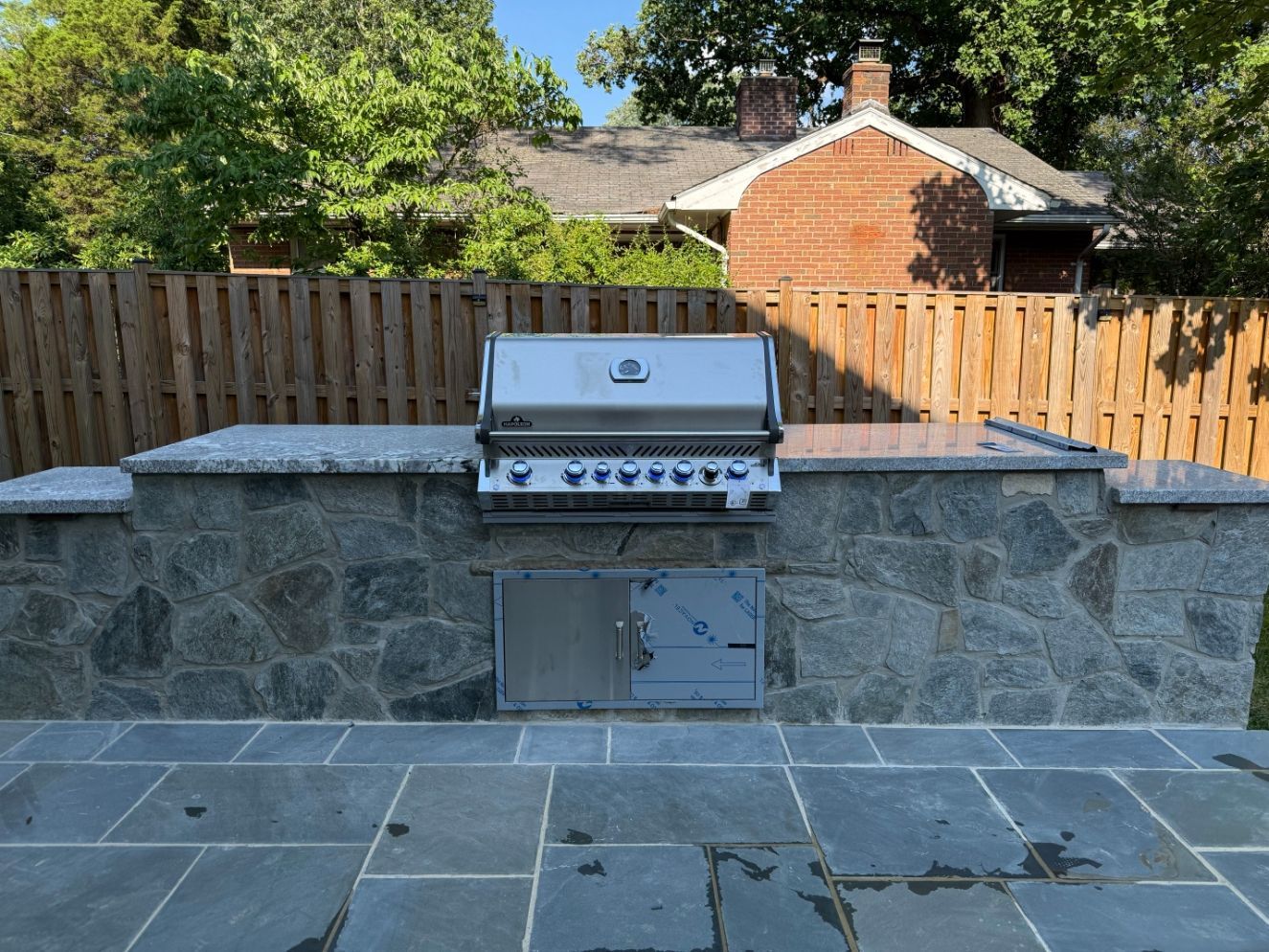
Outdoor kitchens often combine multiple gas appliances with built-in cabinetry, countertops, masonry, and custom structures.
Gas equipment may include:
- Built-in grills
- Side burners
- Pizza ovens
- Fire features
- Patio heaters
The placement of each appliance needs to work with both the gas system and the physical construction of the outdoor kitchen.
A contractor who understands both sides of the project can plan the installation with the finished space in mind.
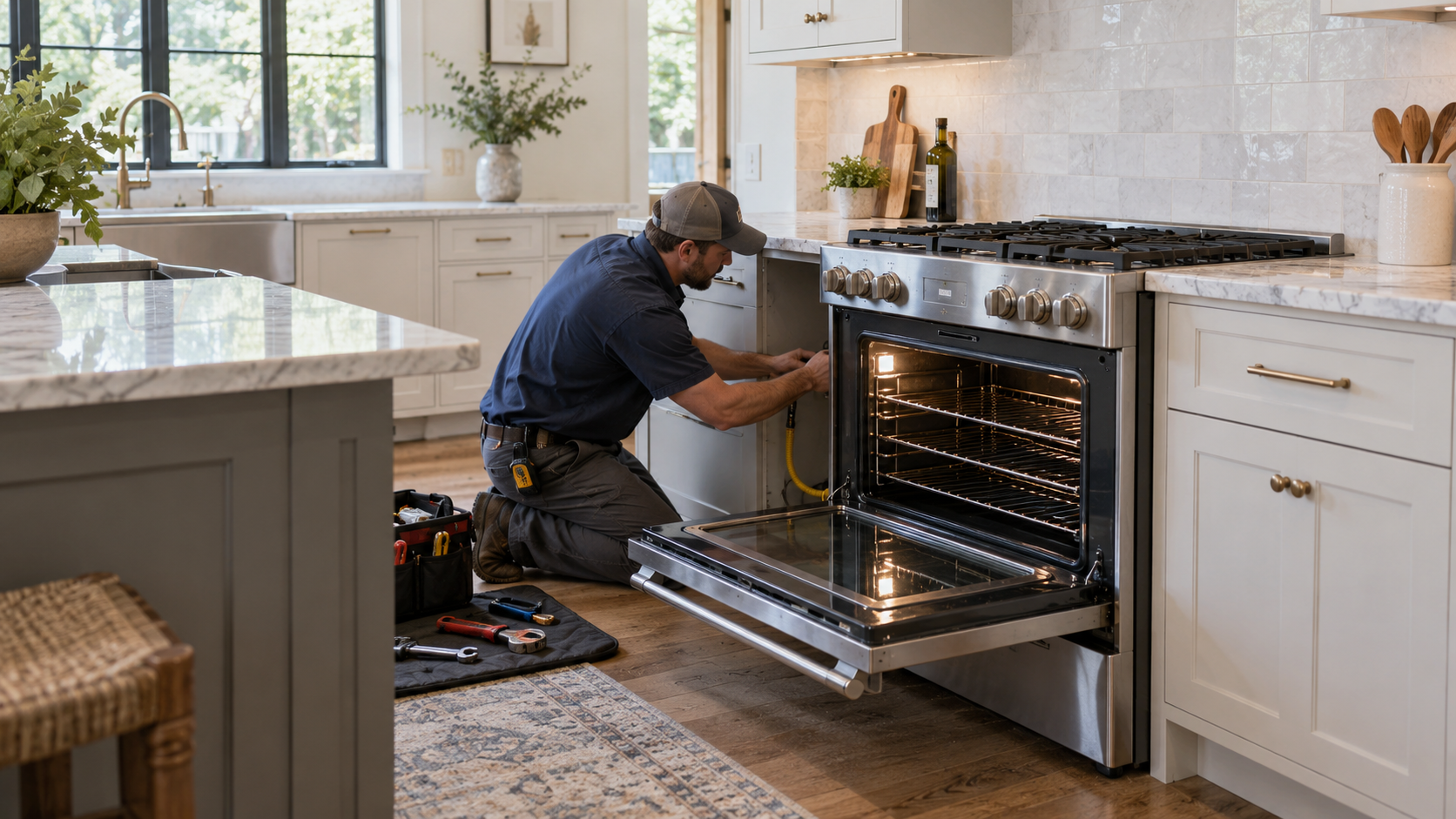
Gas Ranges and Cooktops
Replacing an electric appliance with gas can require more than extending a gas line.
Existing cabinetry, countertops, framing, or appliance openings may need adjustment before the new range or cooktop fits correctly.
Having construction experience allows the gas installer to recognize these issues early rather than discovering them after the gas work is complete.
Why Is One Contractor an Advantage?
Complex home projects become more difficult every time another contractor is added.
One person performs the gas work. Another modifies the framing. Someone else installs tile. Another contractor finishes the surrounding area.
Each person has a different schedule, scope of work, and responsibility.
Using a contractor who can handle several parts of the installation can provide significant advantages.
Fewer Scheduling Delays
Multi-contractor projects often stall because one trade cannot begin until another finishes.
When one professional can handle several stages of the job, the project can move more efficiently from one phase to the next.
One Point of Accountability
When several contractors work on the same area, it can sometimes be difficult to determine who is responsible when something does not fit or align correctly.
A more integrated installation reduces those gaps.
Better Coordination Between the Gas System and the Finished Space
The location of a gas valve, line, fireplace, grill, or other appliance affects the construction surrounding it.
Someone who understands both gas fitting and construction can think about those details together instead of treating them as separate projects.
Less Work for the Homeowner
Finding qualified contractors, requesting estimates, coordinating schedules, and managing multiple companies takes time.
For many homeowners, the biggest benefit of turnkey gas installation is simply having fewer moving parts to manage.

What Makes a Master Gasfitter Different?
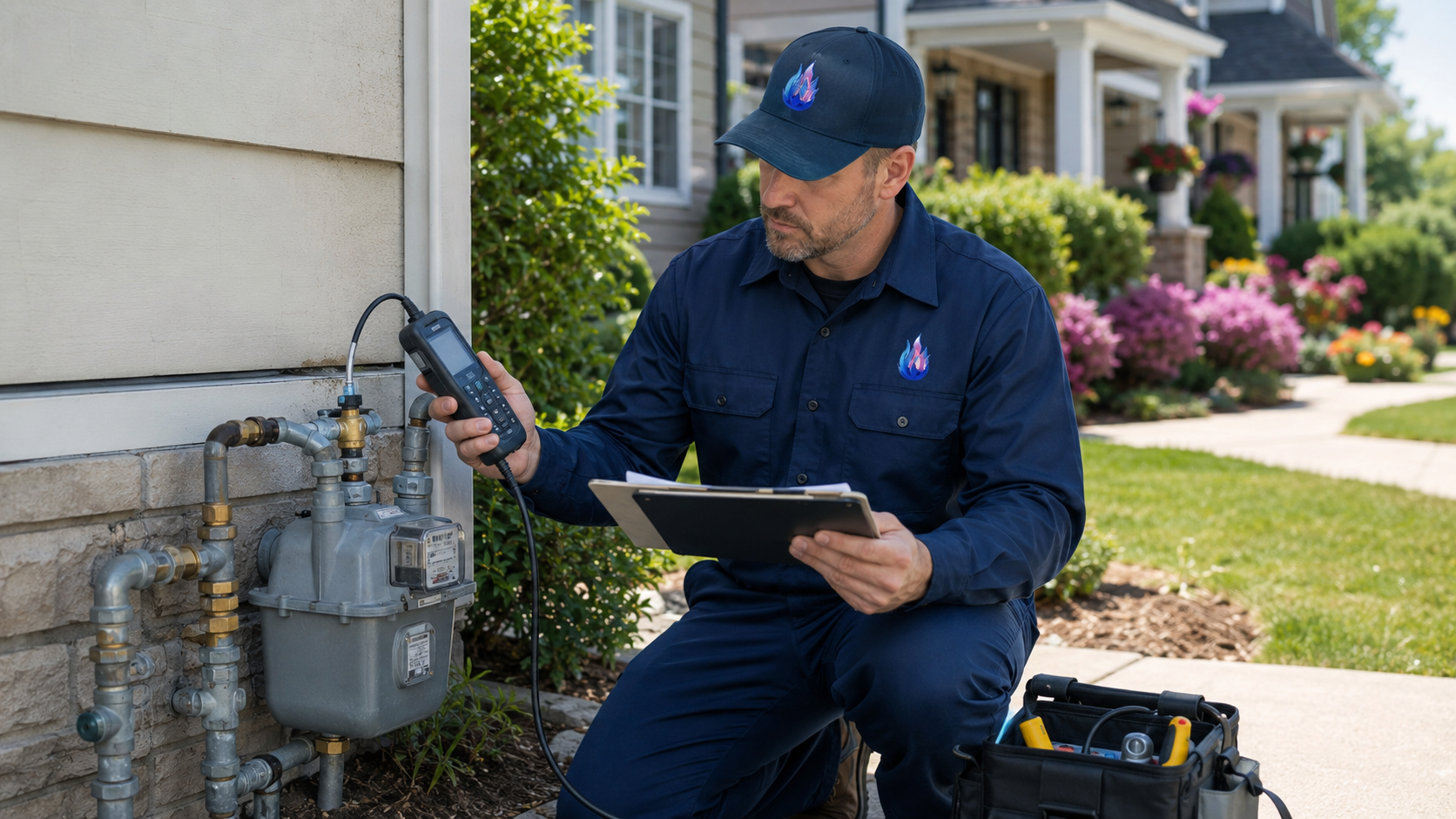
Gas fitting is a specialized trade requiring knowledge of fuel systems, gas pressure, pipe sizing, appliance demand, testing, and code requirements.
A Master Gasfitter brings an advanced level of experience to that work.
Master-level gas expertise is particularly important when a project involves:
- Multiple gas appliances
- Long gas-line runs
- High-BTU equipment
- Existing gas-system modifications
- Outdoor kitchens
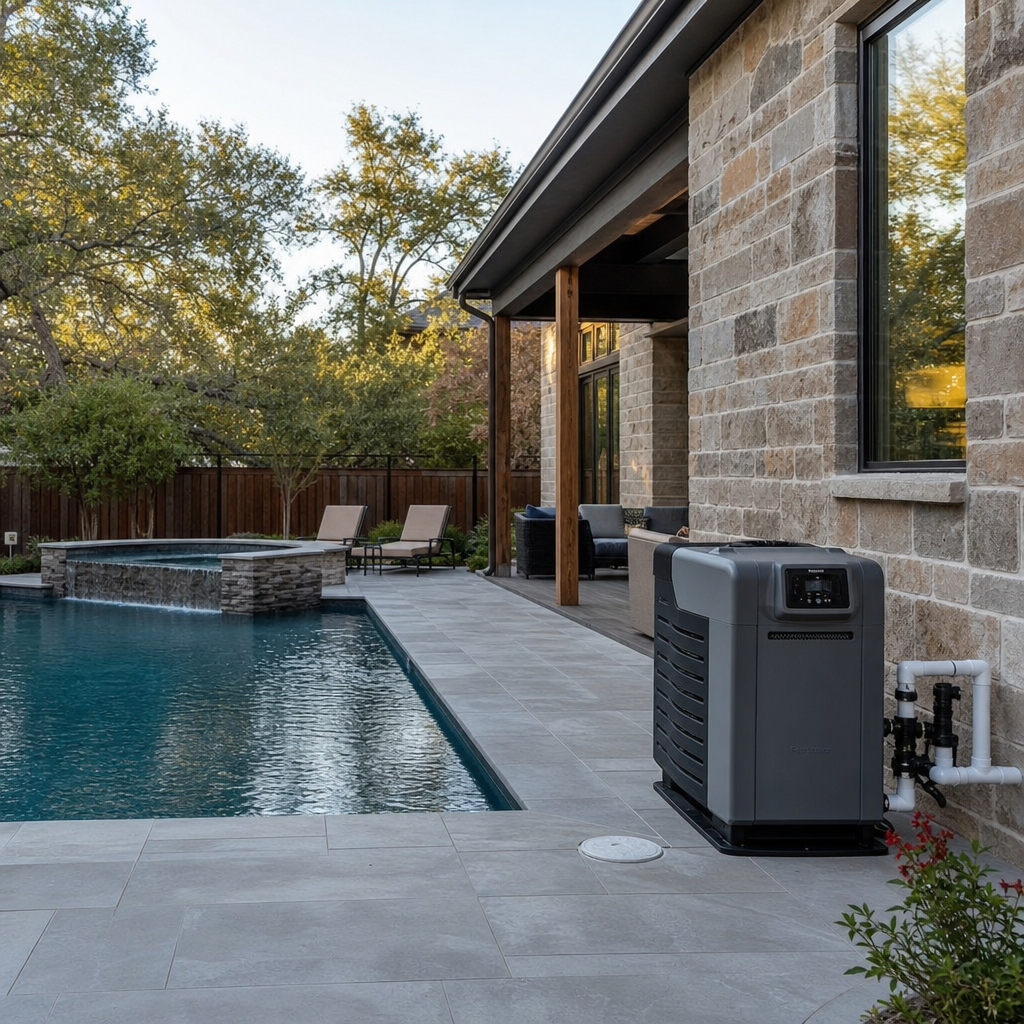
- Pool heaters
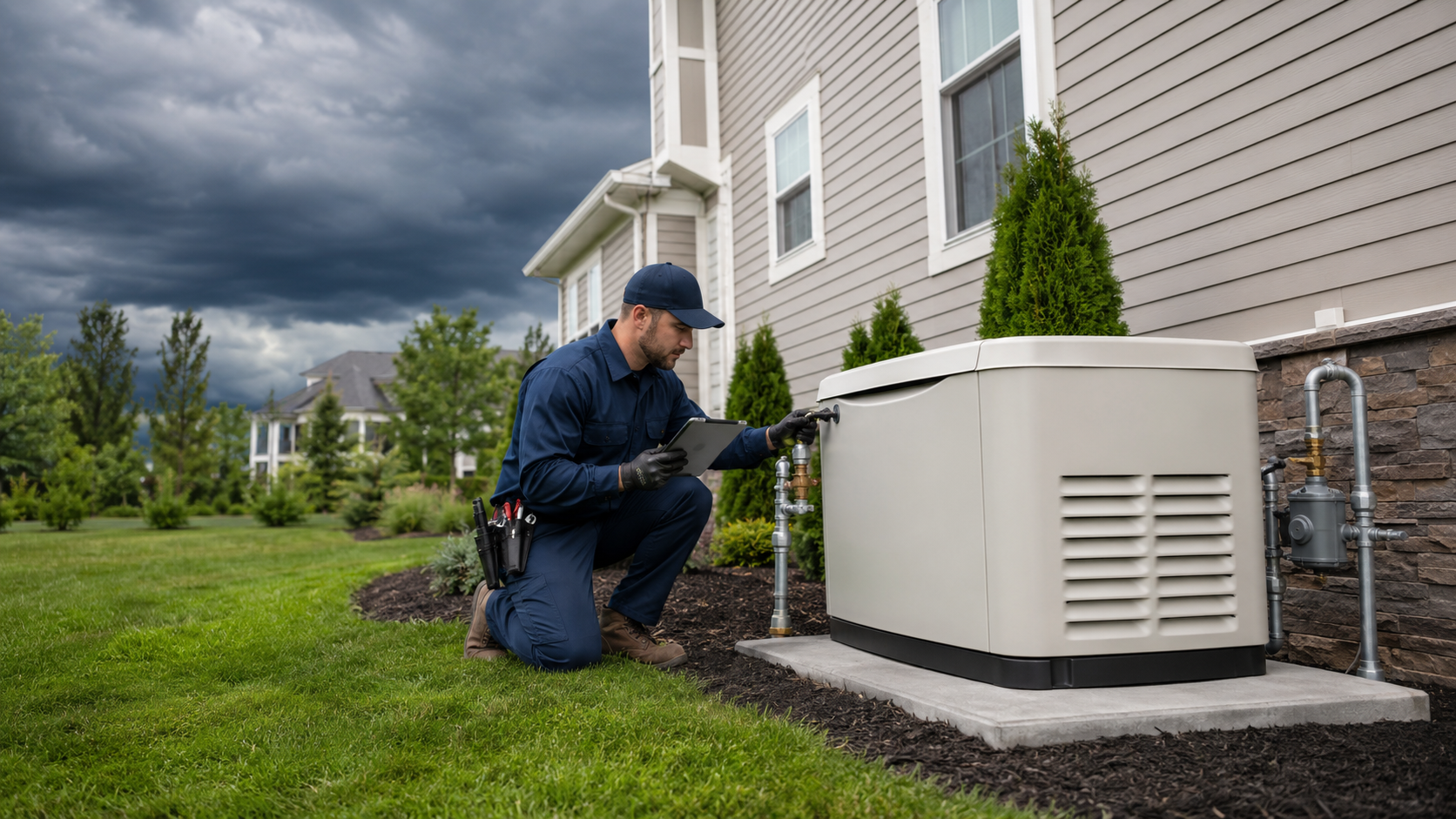
- Generators
- Commercial equipment
- New construction
- Major renovations
The job is not simply to make a gas connection.
The entire system needs to provide the appropriate fuel supply while maintaining safe and reliable operation.
At NOVA Gas Works, Kime's Master Gasfitter expertise is combined with practical construction experience, which allows him to look at the professional gas line installation as a complete project rather than only the portion involving gas piping.
Can Turnkey Installation Save Time?
Often, yes.
The biggest time savings may not come from performing the gas installation service faster. It comes from reducing the downtime between different contractors.
Consider a fireplace project involving:
- Gas-line modifications
- Framing
- Fireplace installation
- Surround preparation
- Tile work
- Final gas pressure testing and leak detection
If several different companies perform those steps, each phase may require a new appointment and another scheduling window.
When one contractor can complete several of those tasks, the project can move forward with fewer interruptions.
That can be especially valuable for homeowners trying to complete renovations before the holidays, prepare an outdoor space for entertaining, or finish a larger remodeling project on schedule.
Does Turnkey Mean NOVA Gas Works Performs Every Trade?
Not necessarily.
Turnkey gas installation does not mean that one contractor should perform work outside the appropriate scope or licensing requirements.
Some projects may require additional professionals, such as electricians or other specialized trades.
The advantage NOVA Gas Works brings is the ability to complete much more of the project internally than a company focused only on running gas pipe.
When another specialized trade is necessary, the scope can be identified rather than leaving the homeowner unexpectedly searching for several contractors after the gas portion of the project has already begun.
One Contractor. One Project. One Point of Accountability.
A gas installation should not become a project-management job for the homeowner.
When the work involves both specialized gas expertise and surrounding construction, choosing a contractor capable of handling multiple phases can make the process significantly easier.
As a licensed Master Gasfitter with broader construction skills, Kime and NOVA Gas Works can often take an installation from the gas infrastructure through much of the work required to complete the finished project.
That means fewer contractors, fewer scheduling complications, better coordination, and one experienced professional who understands the project from beginning to end.
If you are planning a fireplace, outdoor kitchen, gas appliance, renovation, or custom gas installation in Northern Virginia, contact NOVA Gas Works to discuss whether a turnkey approach is right for your project.
Frequently Asked Questions
Q: What does turnkey gas installation mean?
A: Turnkey gas installation means the contractor can manage the gas portion of the project along with many of the related construction or finish tasks needed to complete the installation, reducing the number of separate contractors the customer must coordinate.
Q: Does a gas appliance installation require carpentry or framing?
A: Some do. Gas fireplaces, outdoor kitchens, built-in grills, cooktops, and custom appliances may require framing, carpentry, tile, or modifications to the surrounding space in addition to the gas-line work.
Q: Why is hiring one contractor for multiple parts of a project helpful?
A: Using one contractor can reduce scheduling delays, improve coordination, provide one point of accountability, and make the overall installation easier for the homeowner to manage.
Q: Can NOVA Gas Works complete fireplace finish work?
A: Depending on the project, NOVA Gas Works can often handle related framing, carpentry, tile, and other construction work associated with a gas fireplace installation. The exact scope depends on the individual project.
Q: Does NOVA Gas Works work on outdoor kitchens?
A: Yes. NOVA Gas Works installs gas lines and connections for built-in grills, outdoor kitchens, fire features, patio heaters, and other outdoor gas appliances.
Q: What is the advantage of hiring a Master Gasfitter?
A: A Master Gasfitter brings advanced knowledge of gas-system planning, pipe sizing, appliance demand, installation, repair, testing, and safety requirements. That expertise is particularly valuable for complex residential and commercial gas projects.