Whole-Home Generators for Military Families
Why More Military Families Are Choosing
Whole-Home Generators
Reliable backup power can provide valuable peace of mind for any household, but it can be especially useful for military families managing demanding schedules, deployments, frequent travel, remote work, and homes that need to keep operating even when one family member is away.
For homeowners near Fort Belvoir, Joint Base Andrews, NAS Patuxent River, and surrounding communities in Northern Virginia and Southern Maryland, a whole-home standby generator can help keep essential household systems operating during a power outage.
But installing the generator itself is only part of the project.
Natural gas and propane standby generators need a properly designed fuel supply. That means evaluating the home's existing gas system, determining generator demand, sizing the piping correctly, and making sure the generator can receive enough fuel when it is needed most.
NOVA Gas specializes in the gas infrastructure behind whole-home generators, helping homeowners prepare their properties for dependable standby power.
Why Are Homeowners Choosing Whole-Home Generators?
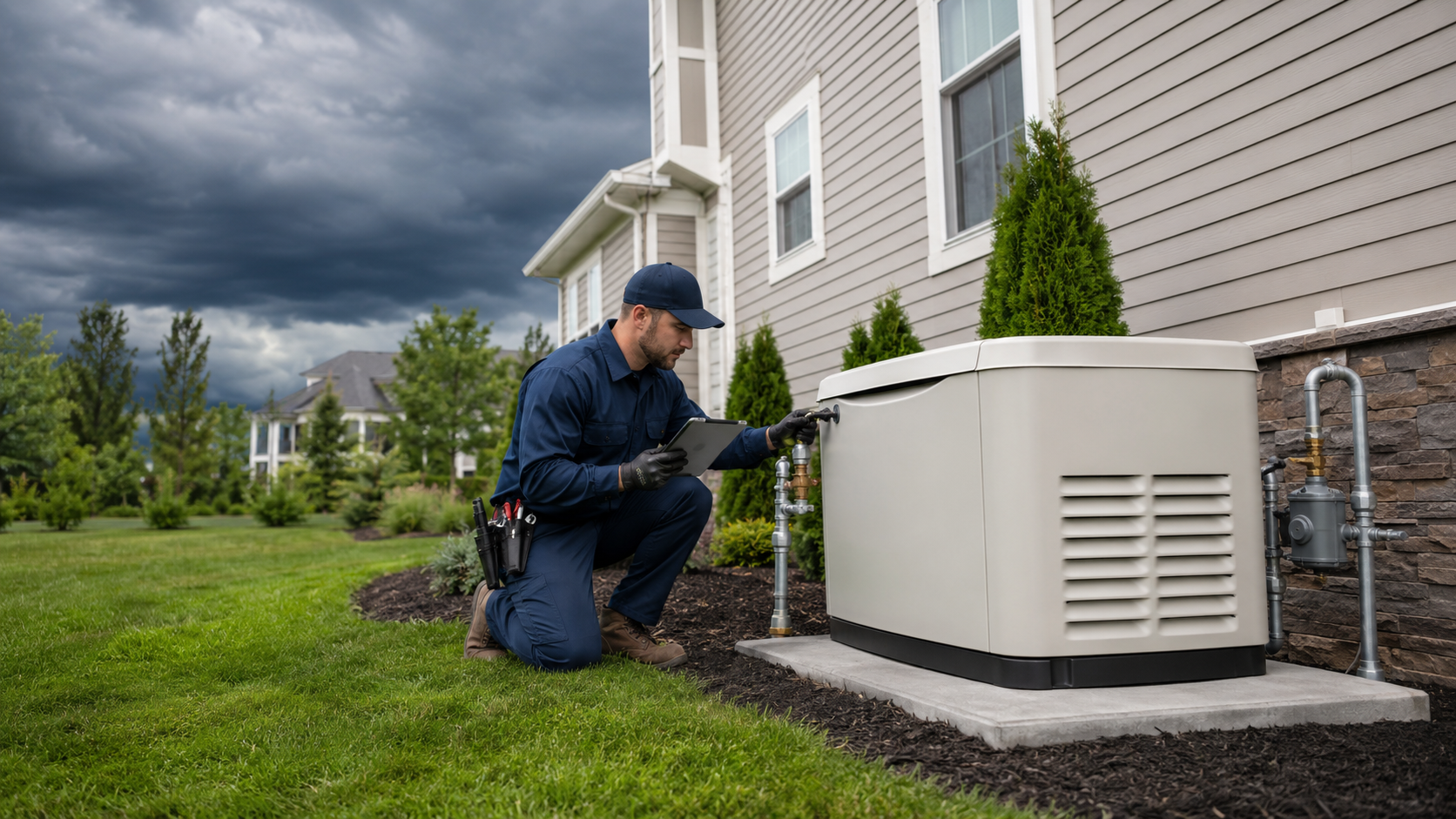
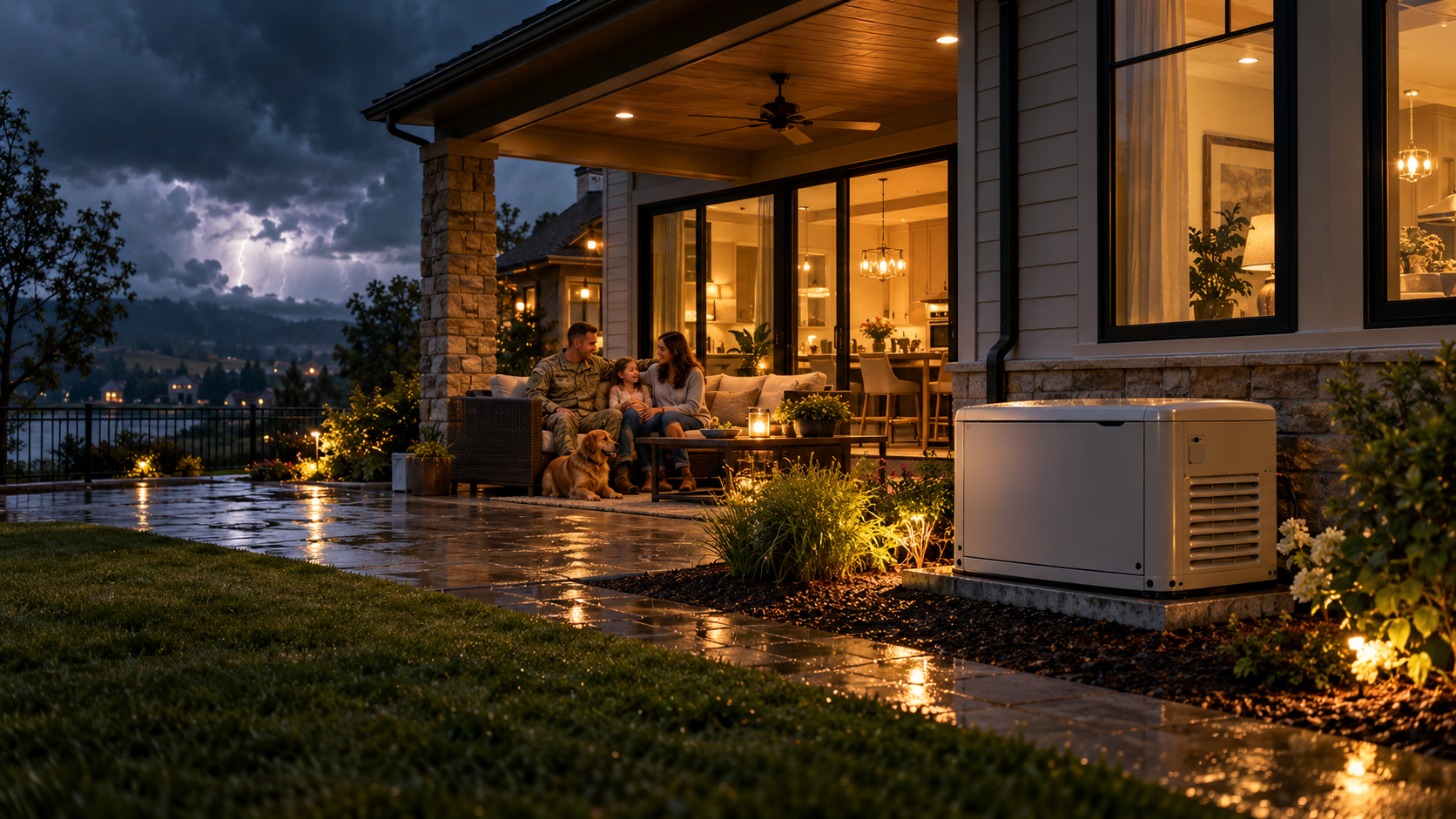
A whole-home generator is permanently installed outside the home and designed to provide backup electricity when utility power is interrupted.
Unlike a portable generator that must be moved into place, fueled, and manually connected, a standby generator can be designed to start automatically when an outage occurs.
Depending on the size and configuration of the system, backup power may support:
- Heating and cooling
- Refrigerators and freezers
- Lighting
- Internet and communications
- Home offices
- Security systems
- Well pumps
- Sump pumps
- Medical equipment
- Major appliances
For families with busy schedules or households where someone may be traveling or deployed, automatic backup power can remove one more concern during severe weather or a utility outage.
Why Can a Whole-Home Generator Be Helpful for Military Families?
Military households are not all alike, but many families value systems that help the home operate reliably when schedules become unpredictable.
A standby generator can be especially useful when:
- One spouse is deployed or traveling
- Family members work irregular hours
- Children or older relatives are home during an outage
- The home depends on well water or sump pumps
- Refrigerated medications or food must remain cold
- Remote work requires dependable internet and electricity
- Security and monitoring systems need continuous power
The goal is not simply convenience.
Backup power can make the home more resilient when normal routines are disrupted.
Why Is Generator Fuel Planning So Important?
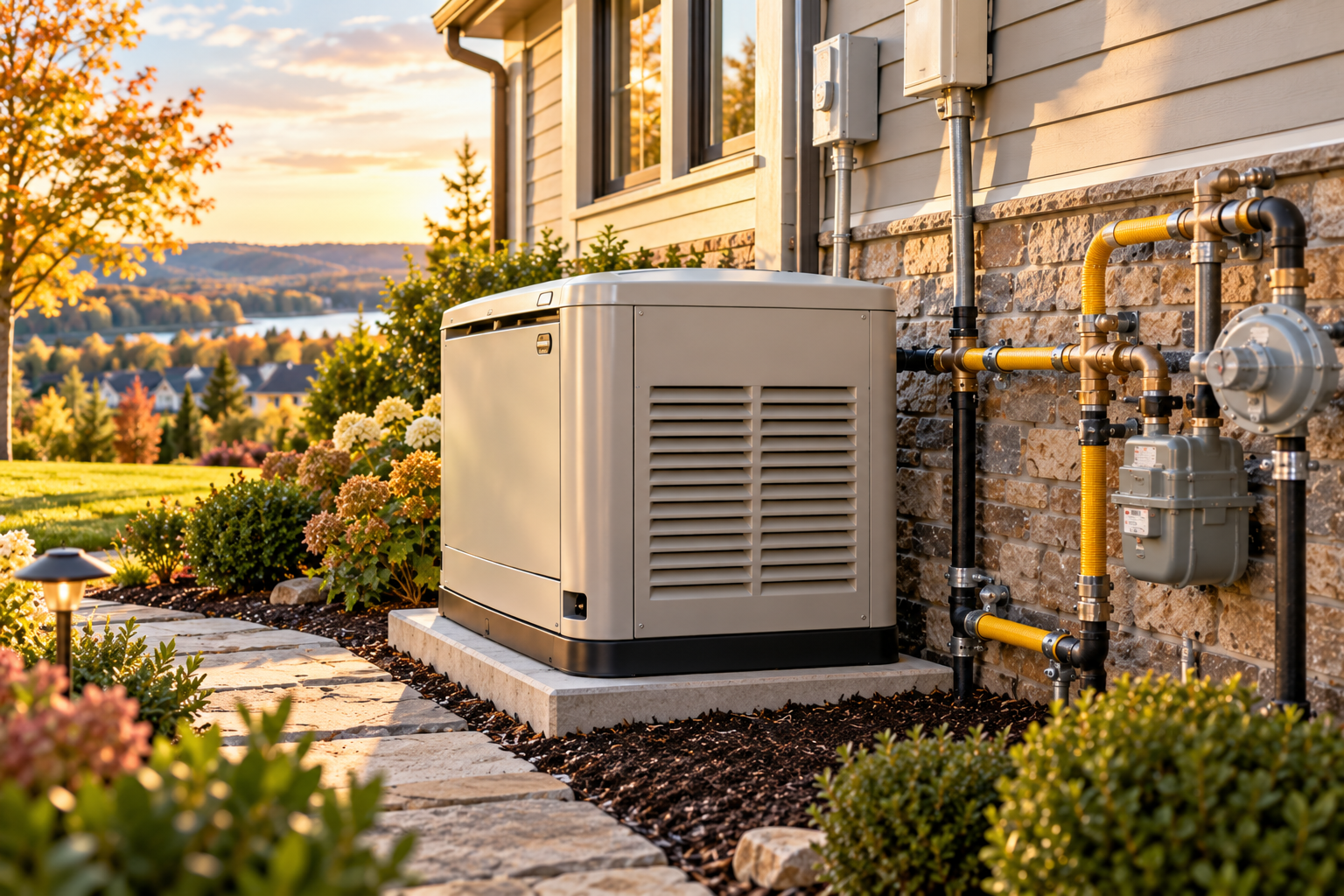
A natural gas generator can only perform properly if it receives an adequate supply of fuel.
Whole-home generators can have significant fuel requirements, particularly when they are powering several household systems at once.
Before installing a generator gas line, a qualified gas contractor needs to consider:
- Generator BTU requirements
- Existing gas appliances
- Total household gas demand
- Pipe length
- Pipe diameter
- Available gas pressure
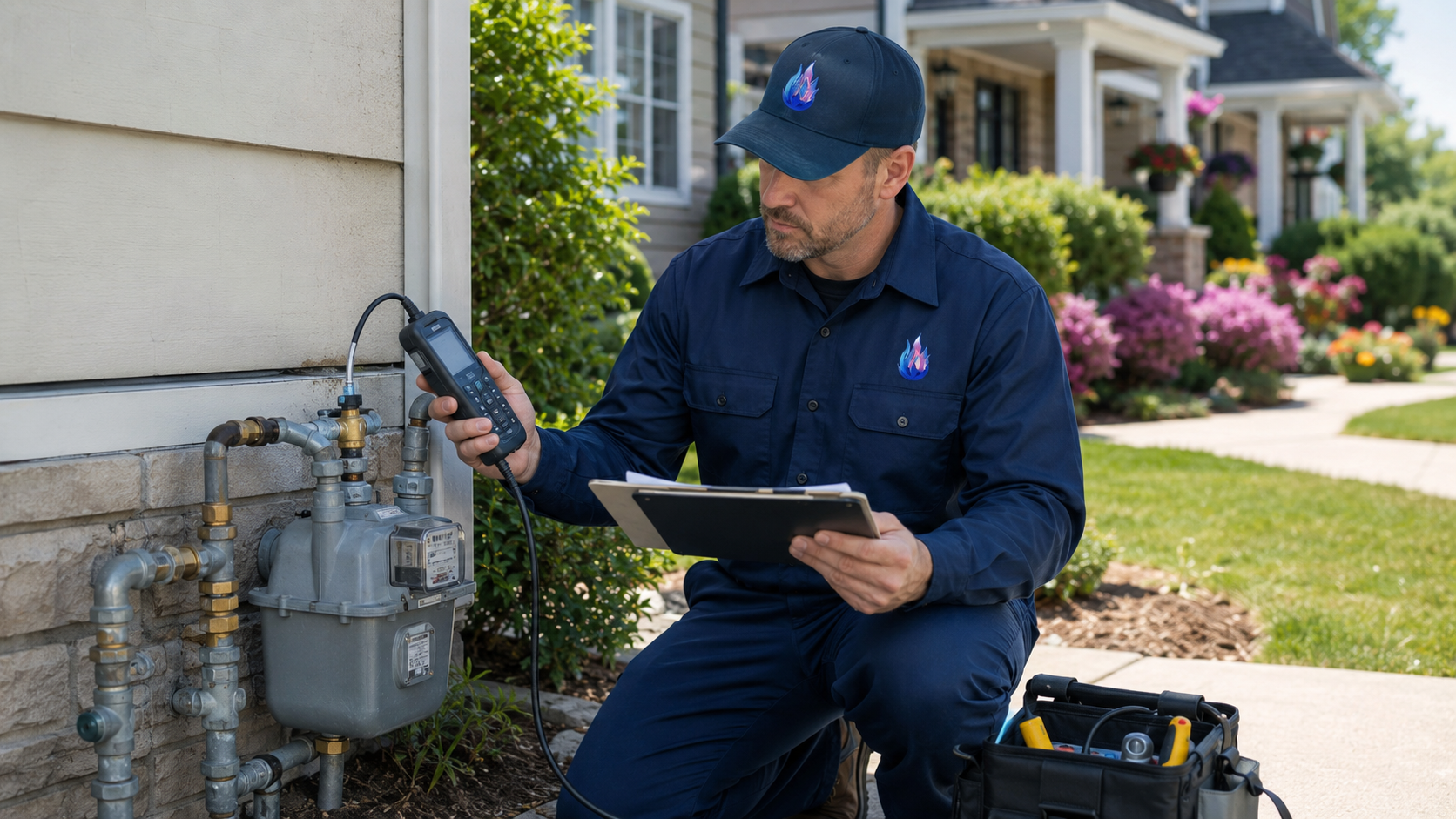
- Meter capacity
- Generator location
- Applicable installation requirements
Simply connecting a generator to the nearest gas pipe does not mean the system is properly sized.
Can an Existing Gas System Handle a Whole-Home Generator?
Sometimes. But the system needs to be evaluated first.
A Northern Virginia home may already use natural gas for:
- Furnaces
- Water heaters
- Gas ranges
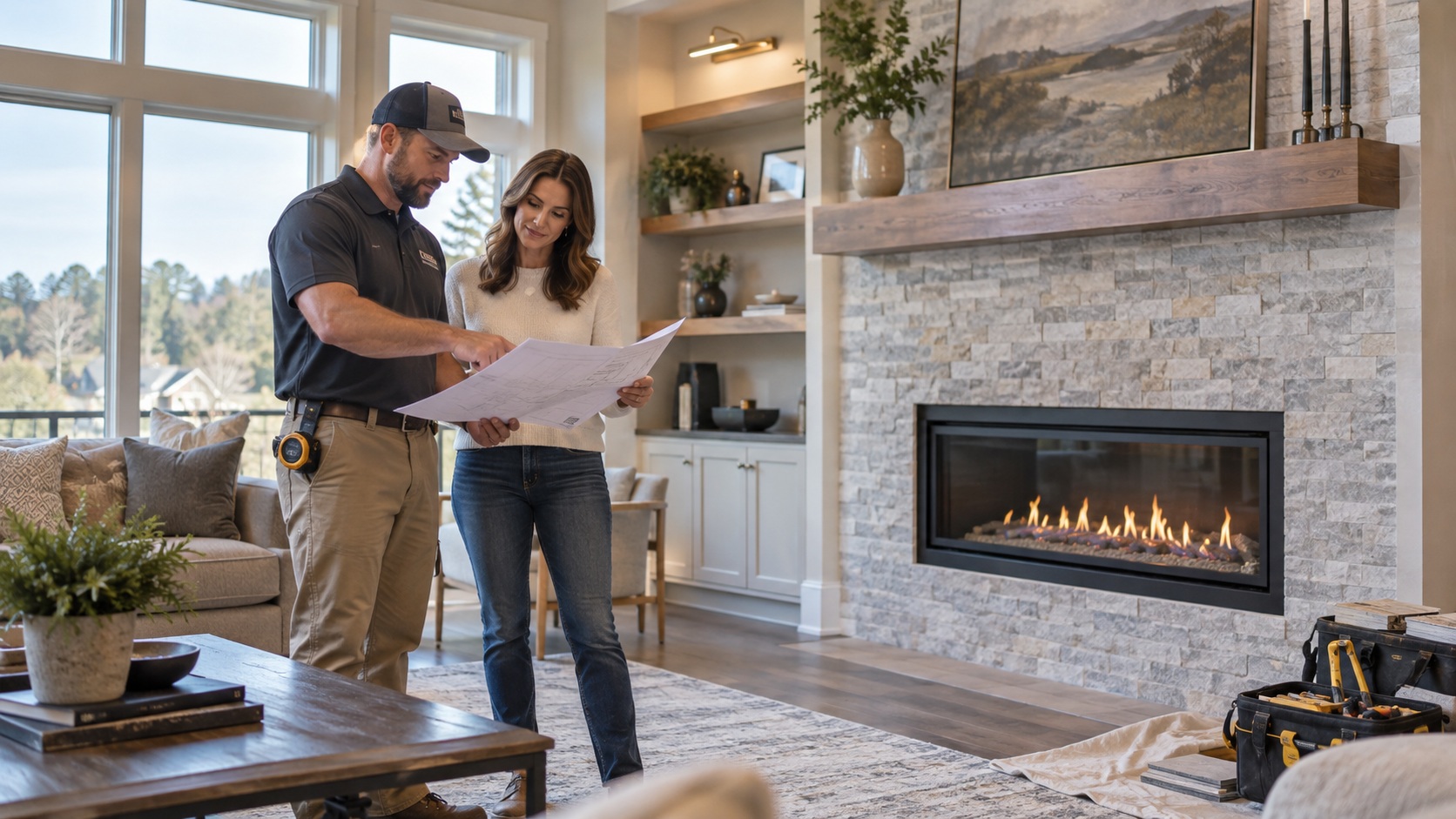
- Fireplaces
- Clothes dryers
- Pool heaters
- Outdoor kitchens
A large standby generator adds another substantial demand to that system.
For example, a home with a pool heater, tankless water heater, two furnaces, several fireplaces, and an outdoor kitchen may already have significant gas usage before the generator is added.
A Master Gasfitter can evaluate the complete system and determine whether the existing piping and fuel supply are appropriate or whether modifications are needed.
Does a Whole-Home Generator Need a Dedicated Gas Line?
The correct configuration depends on the generator and the home's existing fuel system.
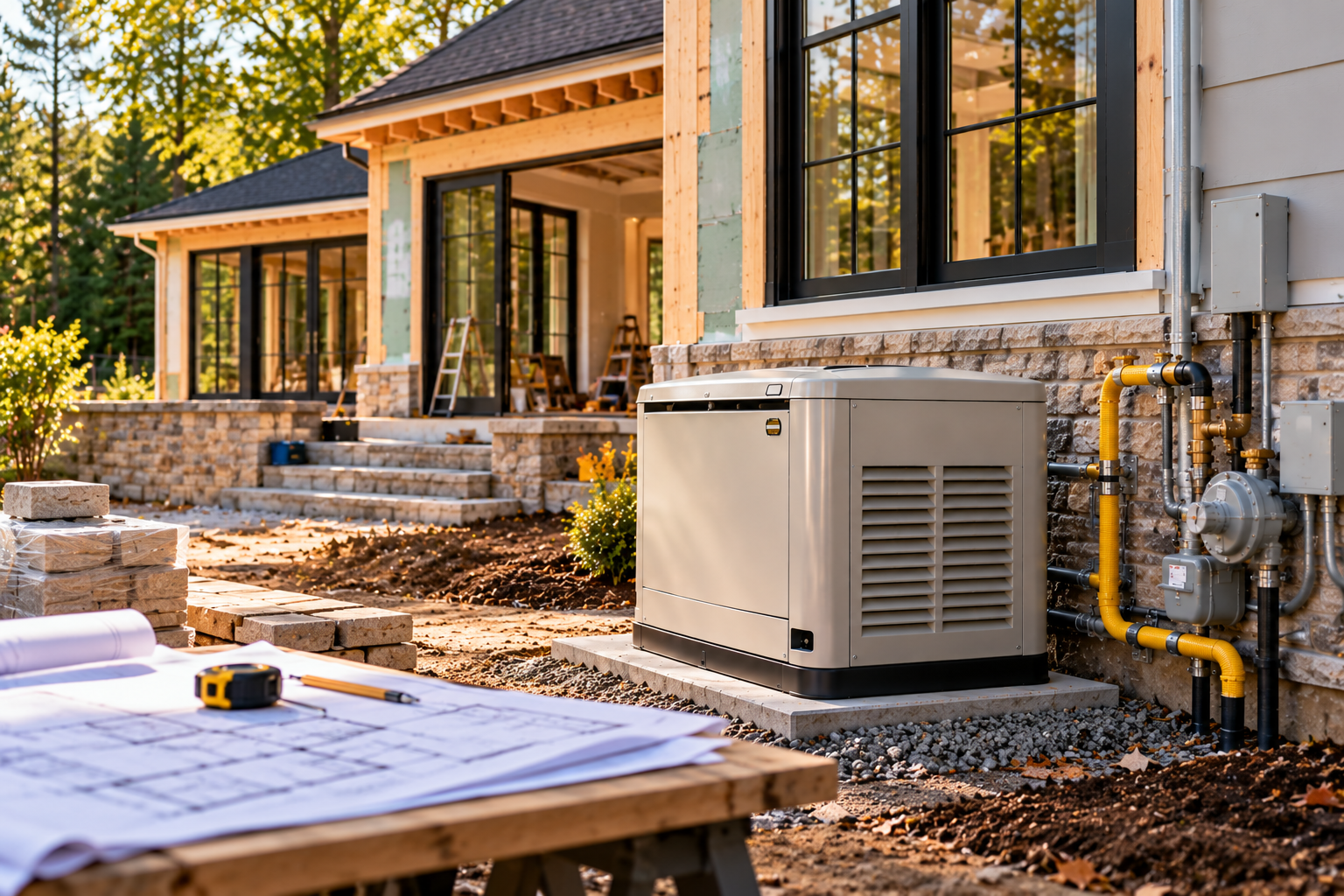
In some installations, a dedicated gas line may be the appropriate solution. Other properties may require a different piping configuration based on available pressure, meter capacity, distance, and total appliance demand.
The important point is that the generator fuel supply should be engineered around the specific equipment rather than treated as a generic connection.
Generator manufacturers provide fuel requirements that must be considered during installation.
Natural Gas or Propane: Which Is Better for a Standby Generator?
Both natural gas and propane can be used for many residential standby generator systems.
The right option depends largely on the property.
Natural Gas
Homes with utility natural gas may benefit from a continuous fuel supply without storing fuel on the property.
The gas system still needs to have enough capacity to support the generator along with the home's other appliances.
Propane
Propane can be an excellent solution for homes without natural gas service, including many properties farther into Southern Maryland.
The propane system needs appropriate:
- Tank capacity
- Regulators
- Pipe sizing
- Fuel pressure
- Available supply
A professional gas evaluation can determine what is required for the specific generator and property.
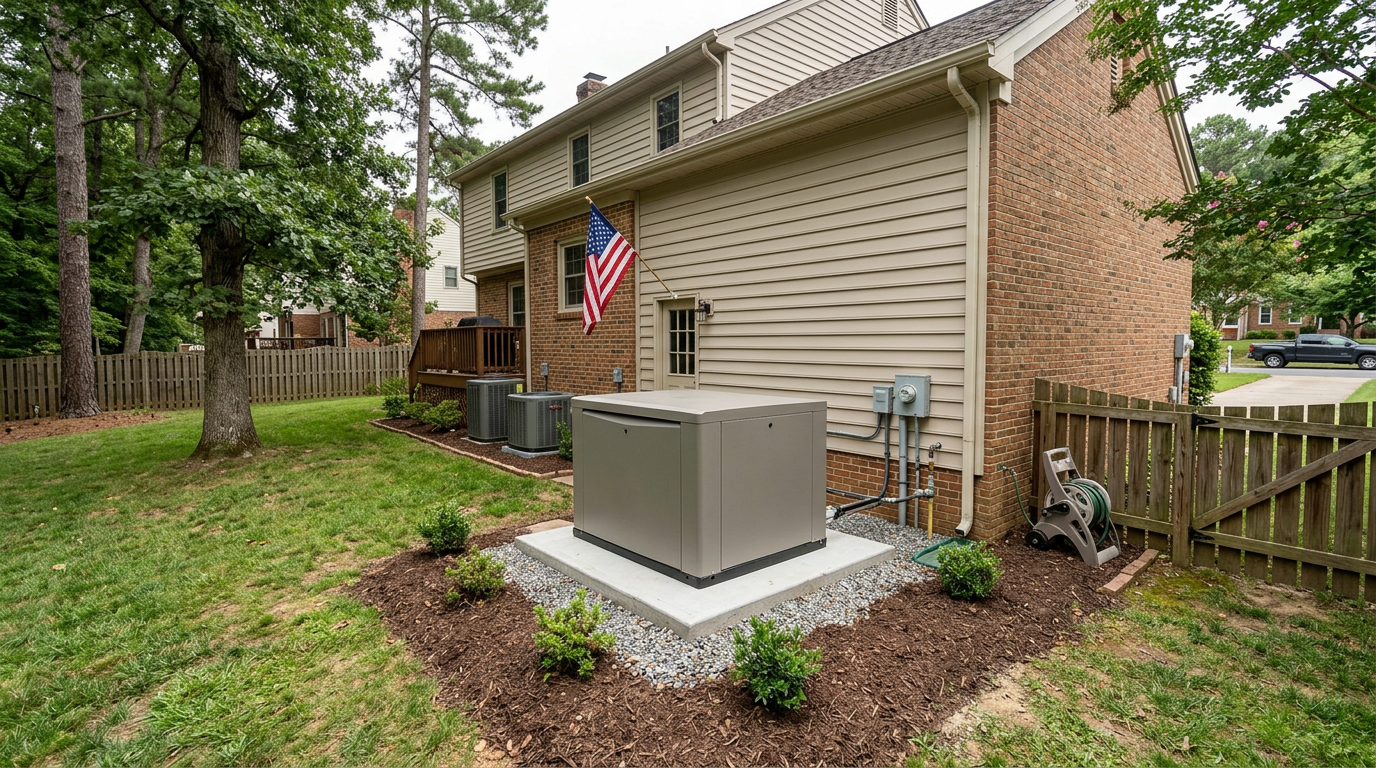
Whole-Home Generators Near Fort Belvoir
Communities around Fort Belvoir include established neighborhoods, newer developments, townhomes, and larger single-family properties.
Many homes in this part of Northern Virginia already use natural gas for heating, hot water, cooking, and fireplaces.
Adding a standby generator requires looking at how much additional fuel demand the property can support.
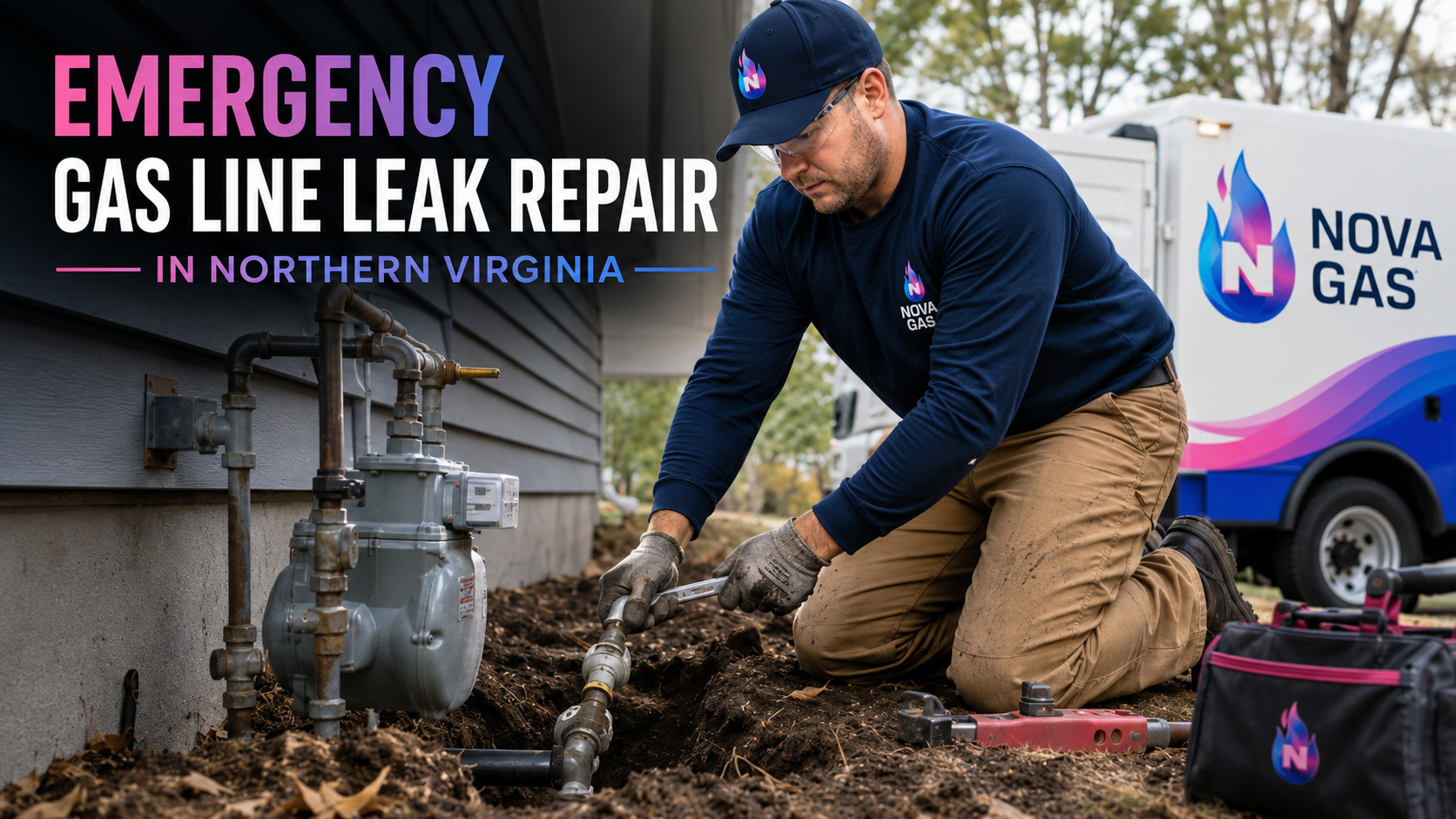
NOVA Gas can evaluate existing gas infrastructure and install or modify gas piping to support a properly planned generator project.
Generator Gas Lines Near Joint Base Andrews
Homeowners throughout the communities surrounding Joint Base Andrews may use natural gas or propane depending on the property and available utilities.
A generator project should begin with an evaluation of the existing fuel system.
That can help determine:
- Whether existing piping can support the generator
- Whether a new gas line is needed
- The appropriate pipe size
- The best route to the generator
- Whether additional fuel-system modifications are required
Planning this work early can help prevent delays once the generator itself is ready to be installed.
Generator Fuel Systems Near NAS Patuxent River
Southern Maryland properties can present different fuel-system considerations than more densely developed parts of Northern Virginia.
Some homes rely on propane rather than utility natural gas.
That makes fuel storage and delivery capacity especially important for standby generator planning.
A propane generator system must account for:
- Generator fuel consumption
- Tank size
- Other propane appliances
- Regulator configuration
- Pipe distance
- Available pressure
Homeowners near NAS Patuxent River and throughout Southern Maryland can benefit from having the fuel system evaluated before finalizing a generator installation.

Why Install the Gas Line Before Storm Season?
Generator projects often become more urgent when severe weather is approaching.
Unfortunately, that is also when generator installers, electricians, gas contractors, equipment suppliers, and permitting offices can become busiest.
Planning before storm season provides time to:
- Choose the generator
- Evaluate the gas or propane system
- Determine fuel requirements
- Plan piping routes
- Complete trenching if necessary
- Install the fuel line
- Coordinate with the electrical contractor
- Complete required inspections
- Test the finished system
A standby generator is designed to provide preparedness. The installation process should follow the same philosophy.
Why Coordination Between Trades Matters
A complete standby generator project may involve several specialties.
The generator itself, electrical transfer equipment, concrete or equipment pad, gas supply, and permitting may involve different professionals.
The generator location affects both the electrical and gas portions of the project.
Before final placement, contractors may need to consider:
- Distance from the gas source
- Electrical routing
- Required clearances
- Service access
- Landscaping
- Drainage
- Property lines
- Noise considerations
Early coordination can prevent the generator from being placed somewhere that unnecessarily complicates the gas installation.
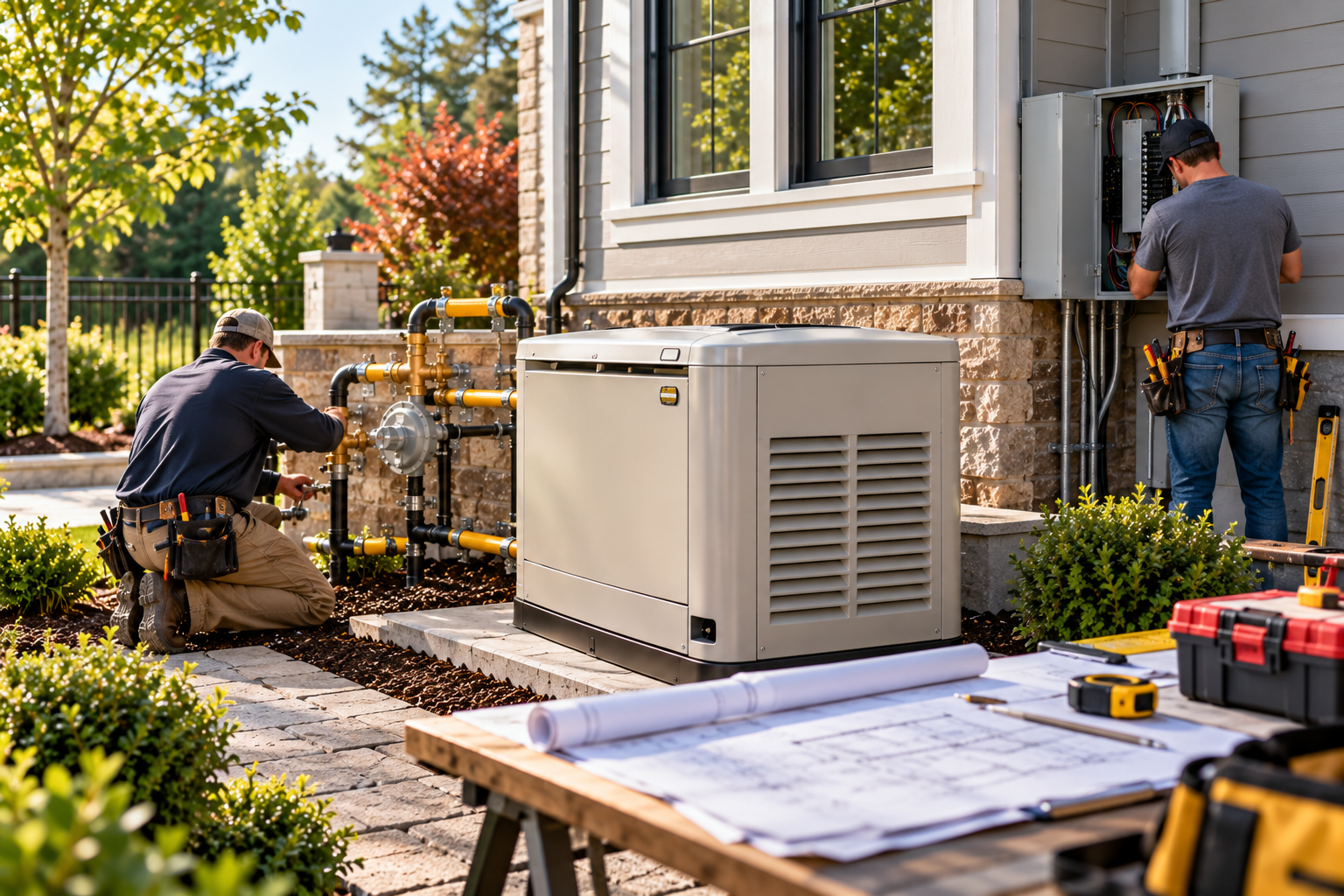
Why Work With a Master Gasfitter?
The gas connection is not simply an accessory to the generator. It is the fuel system that allows the equipment to operate.
A Master Gasfitter understands how the new generator interacts with the home's entire gas system.
That includes evaluating:
- Total appliance demand
- Gas pressure
- Pipe sizing
- Regulators
- Existing piping
- Fuel capacity
- Safe routing
- Testing
This becomes particularly important in larger homes with multiple gas appliances.
NOVA Gas owner Kime Brittain is a licensed Master Gasfitter, giving homeowners access to specialized gas expertise for complex residential projects.
Planning a Generator During a Home Purchase or Renovation
Military families sometimes purchase homes knowing they may eventually relocate again.
That does not necessarily mean upgrades such as a standby generator are only about long-term ownership.
A generator can improve day-to-day resilience while the family lives in the home and may also be an attractive feature for future buyers who value backup power.
Generator planning can be especially convenient during:
- Major renovations
- Electrical upgrades
- Outdoor construction
- New home construction
- Gas-system upgrades
If walls, utility areas, landscaping, or exterior areas are already being modified, it may be easier to plan the fuel infrastructure at the same time.
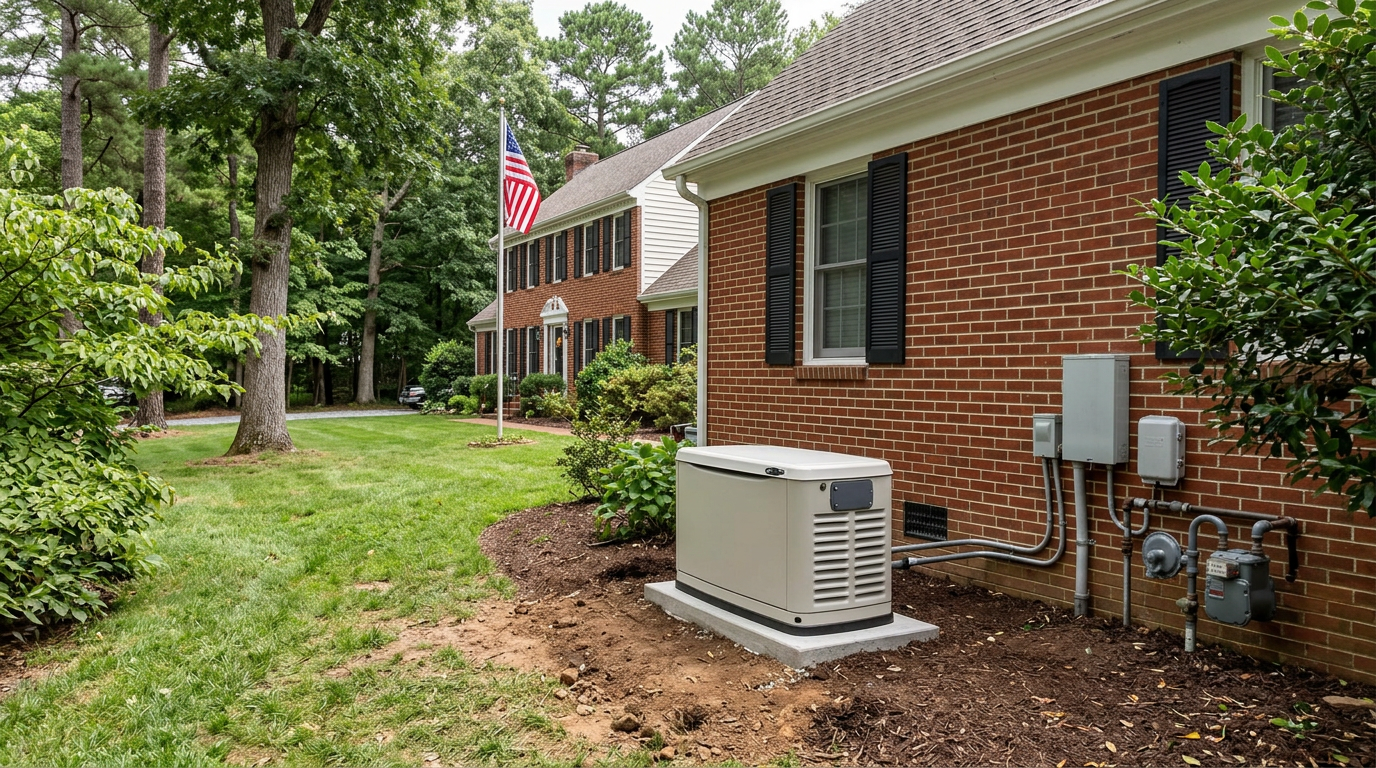
What Should You Ask Before Installing a Whole-Home Generator?
Before finalizing the project, homeowners should know:
- What fuel does the generator use?
- What is its maximum fuel demand?
- Can the existing gas system support it?
- Does the meter or propane system have enough capacity?
- What size gas line is required?
- How far is the generator from the fuel source?
- Will trenching be necessary?
- Who is responsible for the gas installation?
- Who is handling the electrical work?
- What permits and inspections are required?
Answering these questions before installation can prevent expensive changes later.
Generator Gas Line Installation in Northern Virginia and Southern Maryland
Whole-home generators can provide valuable backup power, but dependable operation begins with dependable fuel.
NOVA Gas provides natural gas and propane services for standby generator projects throughout Northern Virginia and Southern Maryland, including communities near Fort Belvoir, Joint Base Andrews, and NAS Patuxent River.
Our team can evaluate the existing fuel system, calculate generator demand, install or extend gas piping, and coordinate the gas portion of the project with your generator and electrical contractors.
NOVA Gas is an independent gas contractor and is not affiliated with or endorsed by the U.S. Department of Defense or the military installations referenced in this article.
If you are considering a whole-home generator, contact NOVA Gas early in the planning process to make sure the fuel system is ready before the next outage.
Frequently Asked Questions
Q: Can a whole-home generator run on natural gas?
A: Yes. Many residential standby generators are designed to operate on natural gas when properly configured and supplied with an appropriately sized fuel line.
Q: Can a standby generator run on propane?
A: Yes. Many standby generators can operate on propane. The propane tank, regulator system, piping, and available fuel supply must be capable of supporting the generator's demand.
Q: Does a whole-house generator need its own gas line?
A: The appropriate piping configuration depends on the generator, gas pressure, existing appliances, pipe length, and the home's current gas system. A qualified gas professional can determine the correct approach.
Q: Can my existing gas meter support a generator?
A: Possibly. The meter and gas system need to be evaluated based on the generator's demand and the total load of the home's other gas appliances.
Q: Who installs the gas line for a whole-home generator?
A: The fuel system should be installed by a qualified gas professional experienced with pipe sizing, pressure requirements, system demand, and testing.
Q: When should I install a generator gas line?
A: Ideally, gas-line planning should happen early in the generator project and before severe weather season. This provides time for installation, coordination, permitting, inspection, and testing.