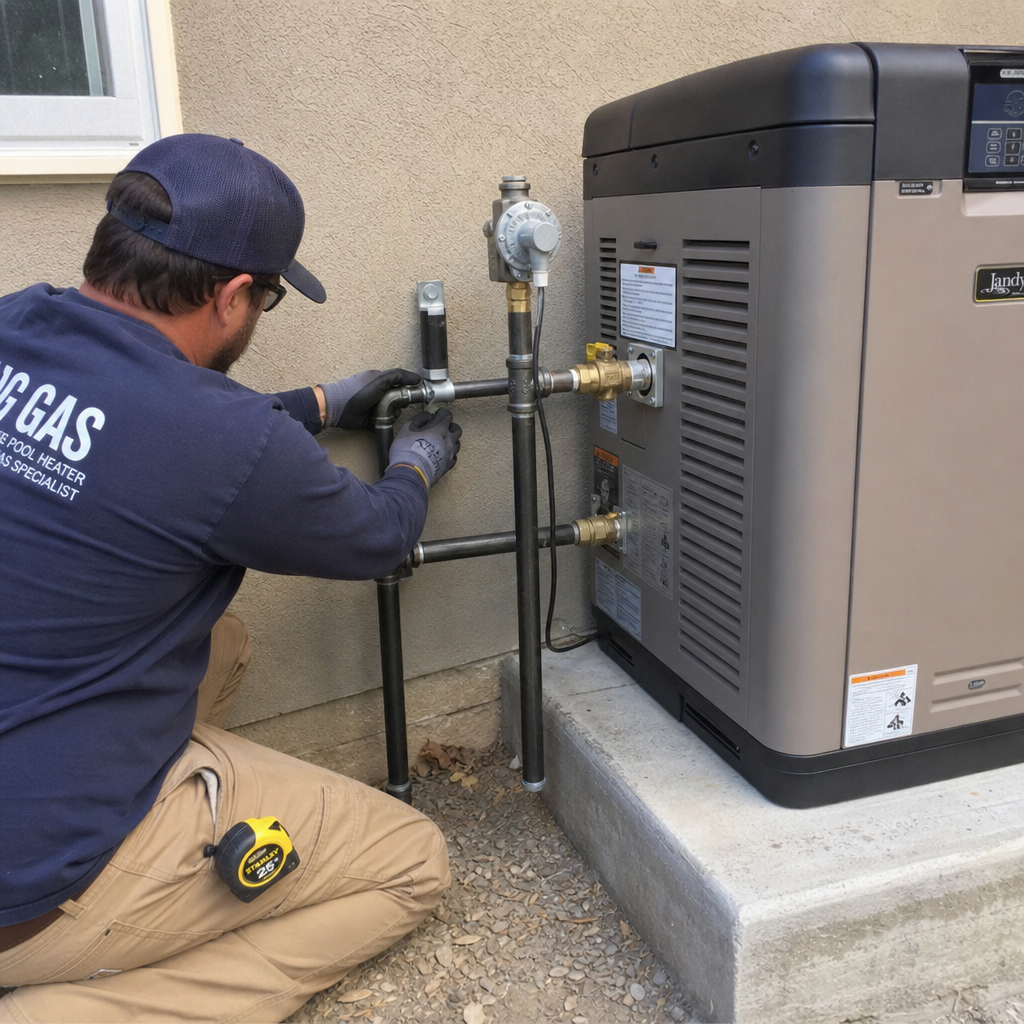
Adding a Gas Line for a Stove in Northern Virginia
Switching to a Gas Range? What Homeowners Need to Know
Switching from an electric stove to a gas range can be a relatively straightforward upgrade—or it can involve more planning than homeowners expect.
If your kitchen does not already have gas service behind the stove, a qualified gas contractor will need to determine whether a new gas line can be added, how it should be routed, whether the home's existing gas system has enough capacity, and what modifications may be needed around the appliance.
That is why adding a gas line for a stove should be planned as part of the complete kitchen project rather than treated as a simple appliance hookup.
NOVA Gas Works provides professional gas line installation for stoves and ranges throughout Northern Virginia. As a licensed Master Gasfitter with broader construction experience, owner Kime Brittain can also address many of the carpentry, framing, and surrounding installation details that may arise when converting a kitchen from electric to gas.
Can You Add a Gas Line for a Stove?
Yes. In many homes, a gas line can be installed or extended to supply a new gas stove or range.
The exact gas pipe installation depends on the home's existing gas system and kitchen layout.
A gas contractor will typically evaluate:
- Whether the home already has natural gas or propane service
- The location of the existing gas piping
- The distance to the kitchen
- The BTU requirements of the new range
- Existing appliance demand
- Available gas pressure
- Pipe sizing
- The safest and most practical route for the new line
- Appliance connection requirements
The goal is not simply to get gas to the stove. The new appliance must be incorporated into the home's overall gas system correctly.
What Is Involved in Installing a Gas Line for a Stove?
Adding a gas line for a stove generally involves several stages.
1. Evaluate the Existing Gas System
Before extending a line, the contractor needs to understand what the current system is already supplying.
A home may use gas for:
- Furnaces
- Water heaters
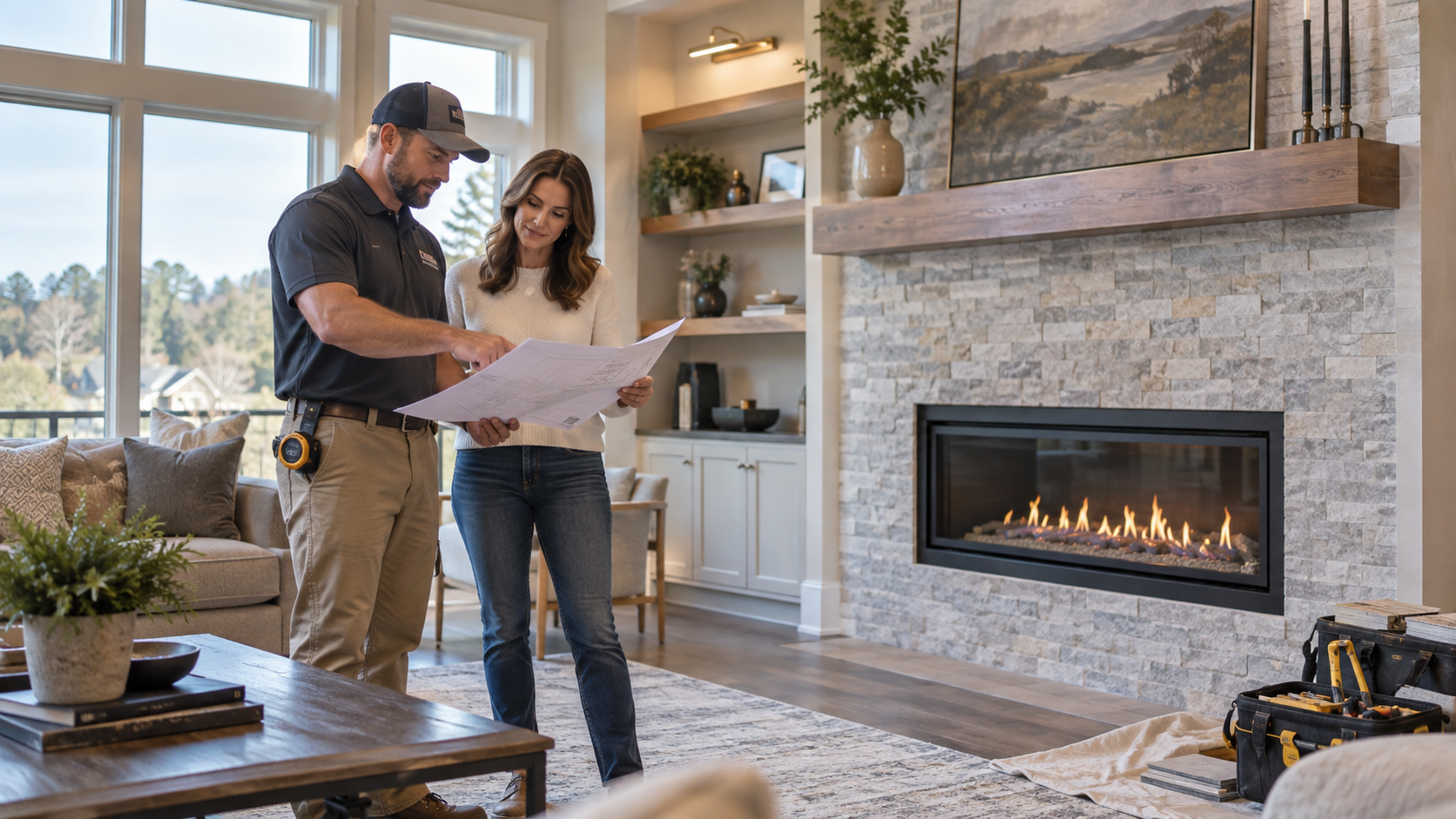
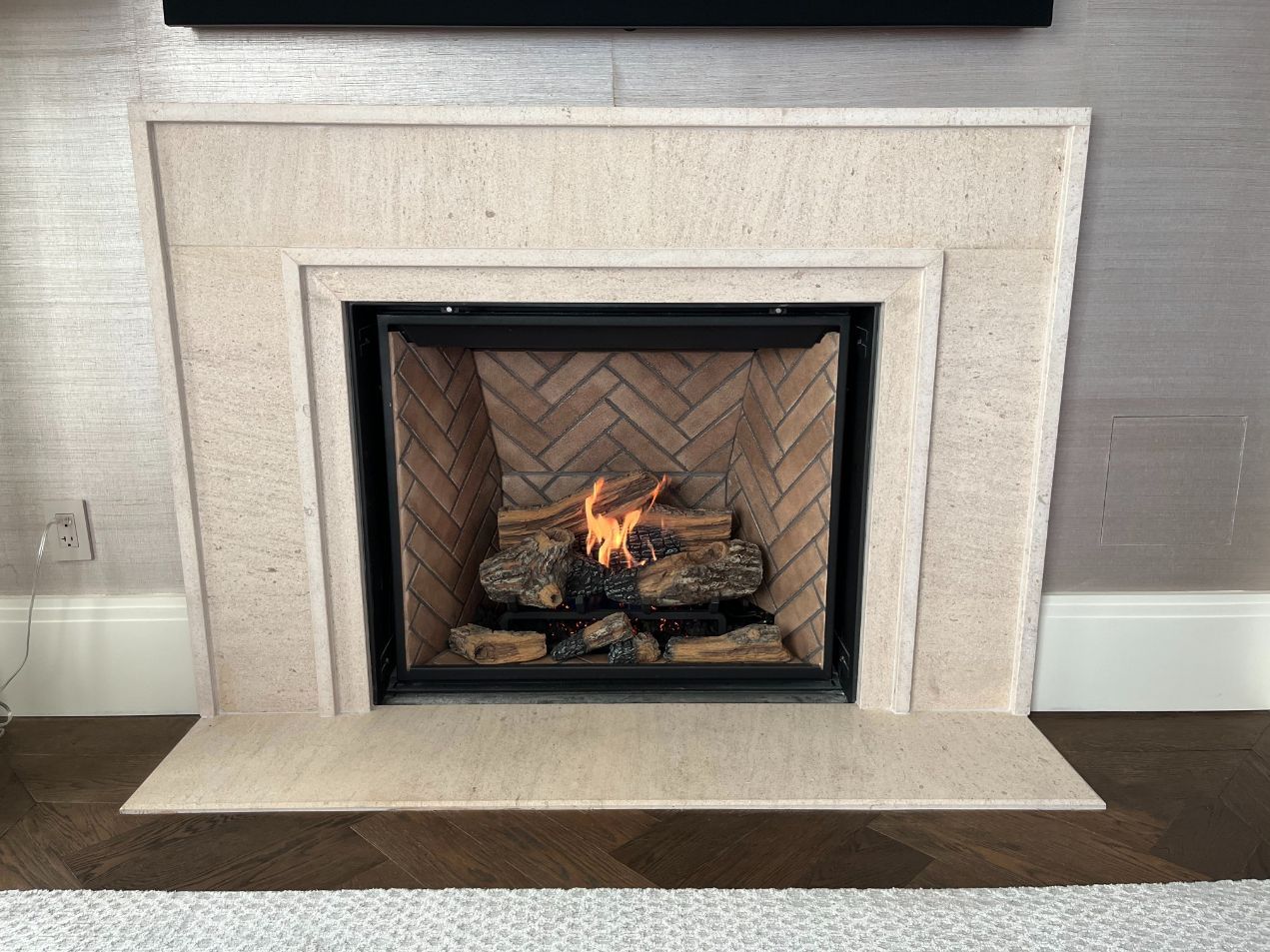
- Fireplaces
- Clothes dryers
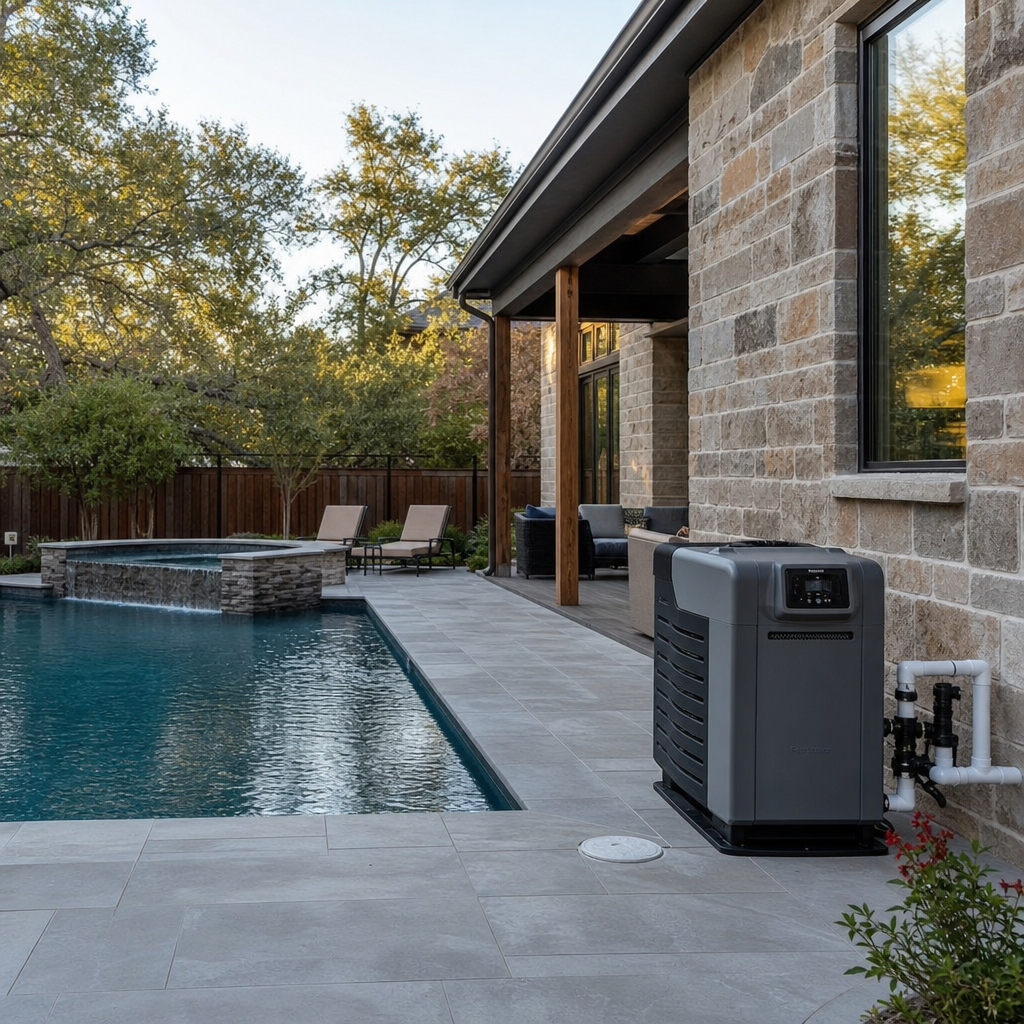
- Pool heaters
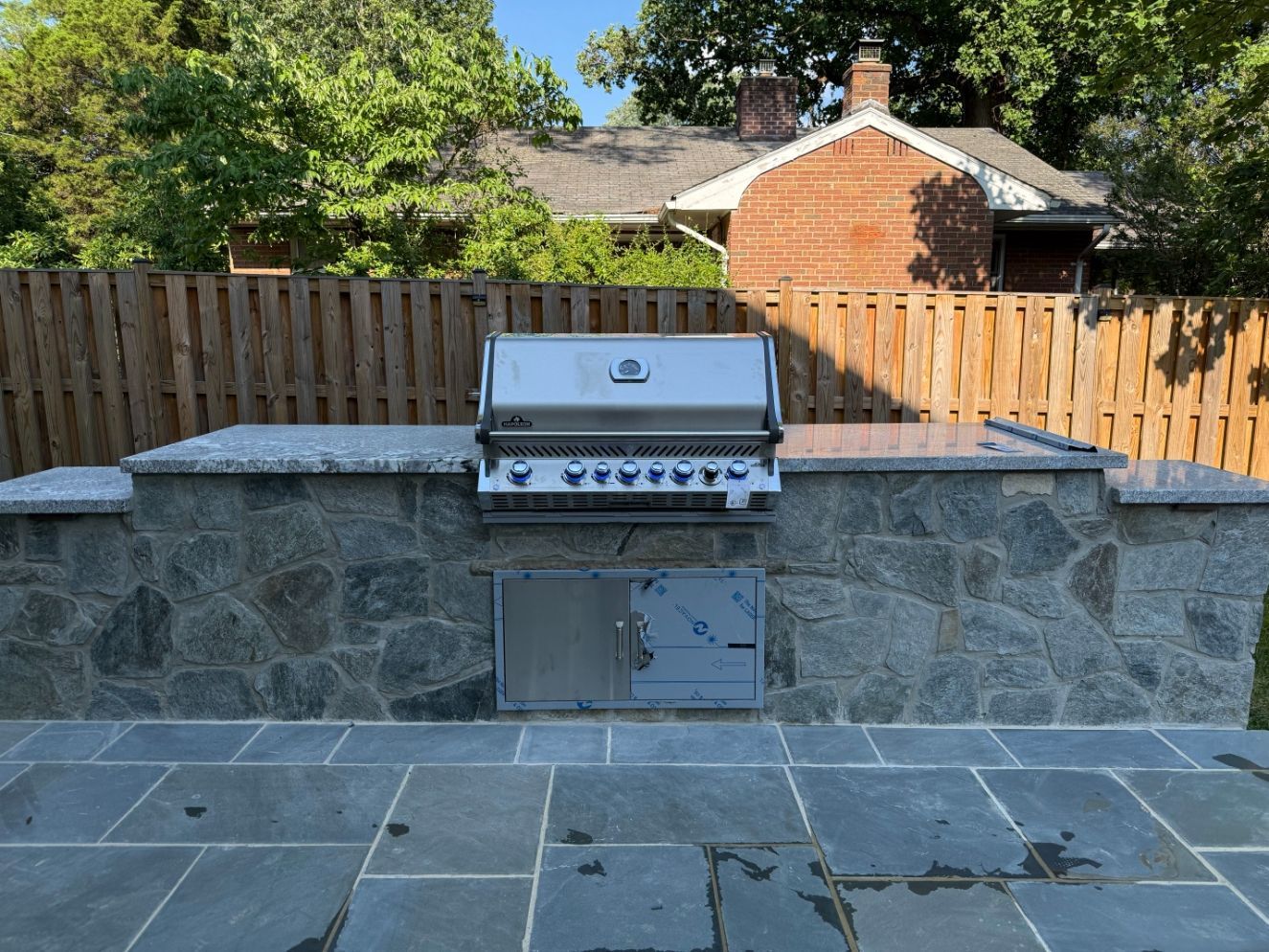
- Outdoor kitchens
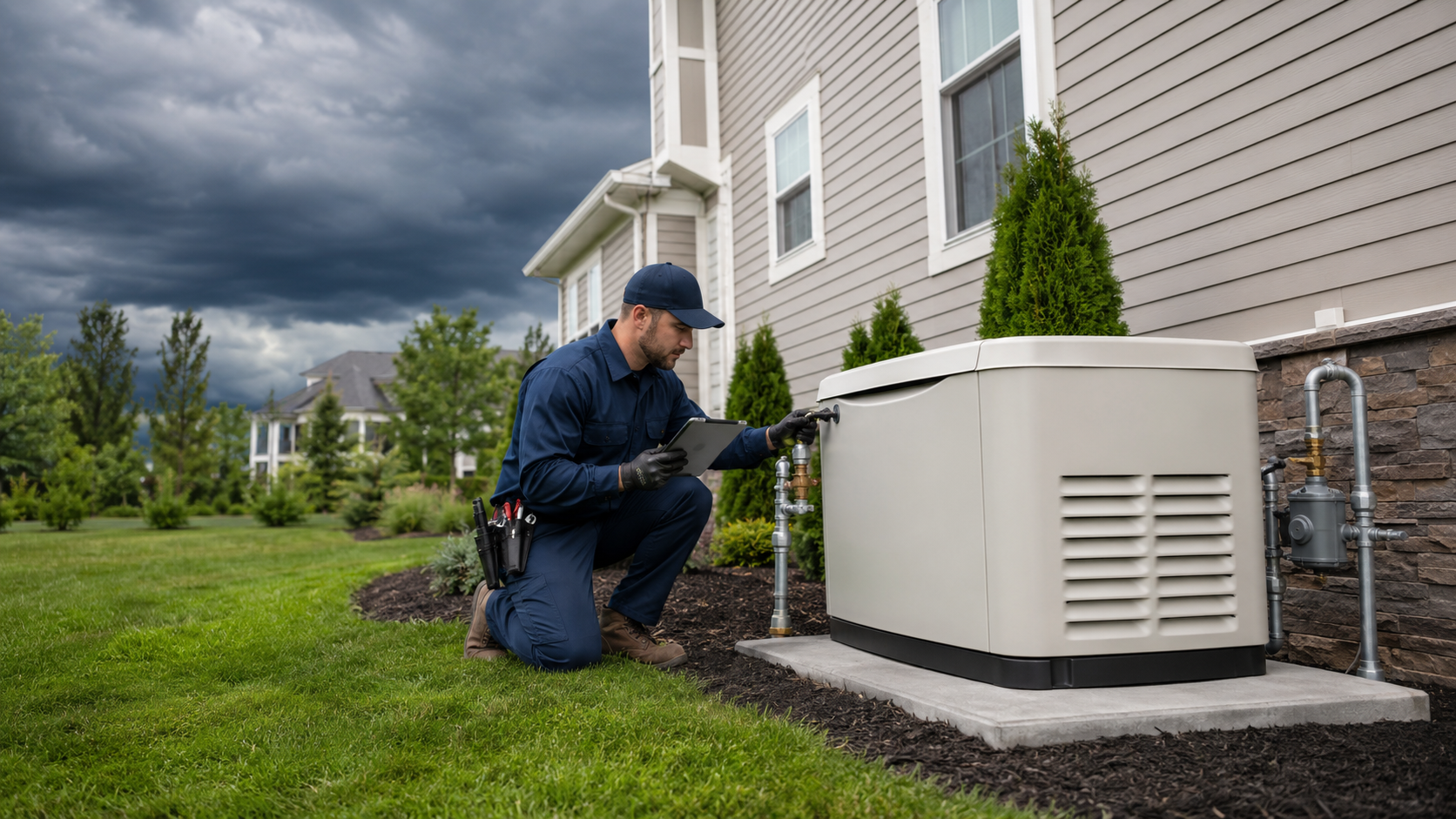
- Generators
- Other cooking appliances
Every additional appliance increases total gas demand.
2. Determine the Range's Fuel Requirements
Gas ranges vary considerably in size and BTU capacity.
A standard residential range may have relatively modest requirements, while a larger professional-style range with multiple high-output burners and ovens can require substantially more fuel.
The gas system should be designed around the actual appliance being installed.
3. Plan the Gas-Line Route
The contractor determines how the new line can reach the kitchen safely and efficiently.
Depending on the house, the gas piping might be routed through:
- A basement
- Crawlspace
- Utility room
- Interior framing
- Exterior piping
- Another accessible portion of the home
The best route depends on the property's construction and existing mechanical systems.
4. Install the Gas Line and Shutoff
The new piping is installed using materials and methods appropriate for the application and applicable code requirements.
A properly accessible shutoff valve is also part of the appliance connection.
5. Test the System
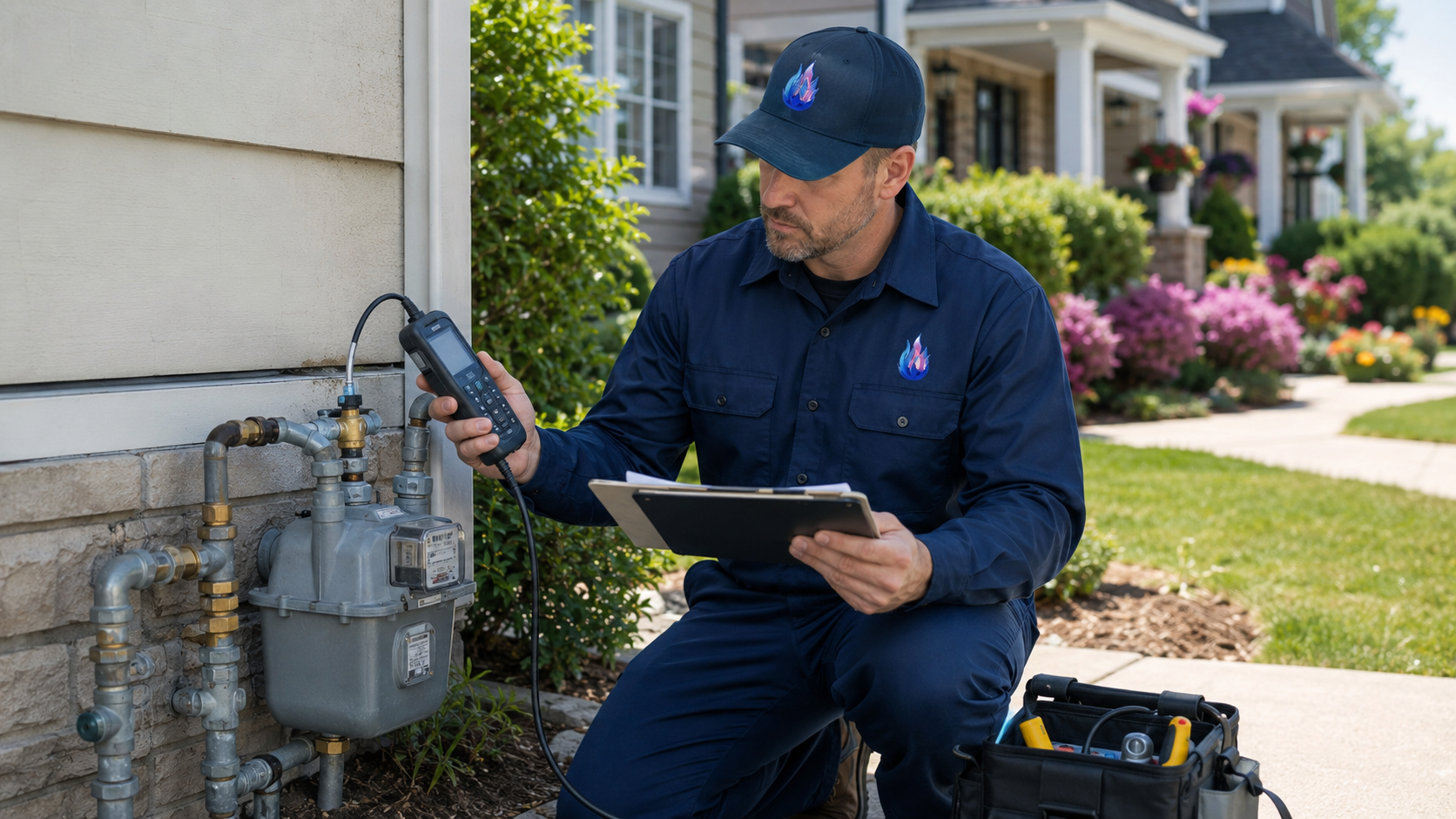
After installation, the gas piping must be tested to verify the integrity of the new work before the appliance is placed into service.
Does a Gas Stove Need a Dedicated Gas Line?
The correct gas piping configuration depends on the home's existing system, available pressure, appliance demand, and pipe sizing.
What matters most is whether the system can safely supply the new stove along with the home's other gas appliances.
This is particularly important when installing larger ranges.
A professional-style gas range can have significantly greater BTU demand than a basic stove. Simply connecting one to an existing nearby line without evaluating capacity can result in poor performance.
A licensed gas contractor can calculate what the system actually needs.
Why Does Gas Line Sizing Matter for a Stove?
Gas pipe sizing directly affects how much fuel can reach an appliance.
If the line is too small for the appliance demand and piping distance, the range may not receive the fuel supply it needs to operate correctly.
Proper sizing considers factors including:
- Appliance BTU rating
- Pipe length
- Pipe diameter
- Available gas pressure
- Other appliances connected to the system
- Total gas demand
This becomes especially important in homes with several high-demand gas appliances.
For example, a property may already have a pool heater, tankless water heater, fireplaces, outdoor kitchen, and whole-home generator. Adding a high-output range changes the overall system load.
A Master Gasfitter can evaluate the complete system rather than looking only at the connection behind the stove.
What If You're Switching From Electric to Gas?
Converting from an electric stove to gas usually involves more than replacing one appliance with another.
If there is no existing gas connection in the kitchen, a new gas line must first be installed.
The project may also involve changes to the physical space.
Depending on the new appliance and existing kitchen, work could include:
- Adjusting cabinetry
- Modifying an appliance opening
- Addressing flooring beneath the appliance
- Making trim or finish adjustments
- Coordinating electrical requirements
- Confirming appliance clearances
- Planning ventilation appropriate for the selected range
This is one reason it helps to choose the new range before the gas installation is finalized.
The contractor can work from the actual appliance specifications instead of trying to plan for an unknown future model.
Why Professional Gas Range Installation Matters
Gas appliances should be connected by someone who understands fuel piping and appliance requirements.
Professional gas stove installation helps ensure:
- Correct gas-line sizing
- Proper shutoff placement
- Appropriate appliance connection
- Leak and pressure testing
- Proper fuel configuration
- Compliance with applicable installation requirements
Gas piping is not an appropriate DIY project.
A mistake involving a water connection may create a leak and property damage. A mistake involving fuel gas can create a serious safety hazard.
Why Turnkey Experience Helps During a Kitchen Conversion
This is where choosing the right gas contractor can make the project easier.
Some gas companies may install the piping and stop there. If cabinetry needs modification or surrounding construction presents a problem, the homeowner may then need to find another contractor before the range can be installed correctly.
NOVA Gas Works can often take the project further.
In addition to Master Gasfitter expertise, Kime has experience with carpentry, framing, tile, and other construction work.
That means many of the practical challenges surrounding a stove installation can often be addressed as part of the same project.
For homeowners, the advantages can include:
- Fewer contractors to schedule
- Better coordination between the gas line and appliance opening
- Fewer project delays
- One primary point of accountability
- A smoother path from electric stove to completed gas installation
Not every kitchen project can be completed by one trade, and appropriately licensed specialists may still be necessary for certain work. But having a gas contractor with broader construction experience can eliminate many of the gaps that complicate appliance conversions.
Adding a Gas Line for a Stove in Northern Virginia
Switching to a gas range can transform how you use your kitchen, but the installation should start with the gas system—not the appliance delivery truck.
Proper planning helps ensure the new range receives the fuel it needs, fits correctly into the kitchen, and can be installed without unexpected delays.
NOVA Gas Works provides gas line installation, gas range hookups, and complete gas-system services throughout Falls Church, Fairfax, Arlington, Alexandria, Vienna, McLean, and surrounding Northern Virginia communities.
Whether you're replacing an existing gas stove, converting from electric to gas, or designing a new kitchen around a professional-style range, our team can evaluate the project and determine the right approach.
With Master Gasfitter expertise and broader construction experience, NOVA Gas Works can often handle much more than the gas connection alone—helping homeowners move from planning to a completed installation with fewer contractors and fewer complications.
Contact NOVA Gas Works to discuss adding a gas line for your new stove or range.
Frequently Asked Questions
Q: Can I add a gas line for a stove if my kitchen is currently electric?
A: Yes, in many homes. A gas contractor will first evaluate the existing fuel system, determine an appropriate route to the kitchen, calculate appliance demand, and confirm that the system can support the new range.
Q: How much does it cost to install a gas line for a stove?
A: Cost depends on factors such as the distance from existing gas piping, accessibility, pipe size, appliance demand, construction conditions, and whether additional modifications are required. An on-site evaluation is the best way to determine project cost.
Q: Should I buy the gas range before installing the gas line?
A: Ideally, yes. Knowing the exact appliance allows the contractor to work from its BTU requirements, connection location, dimensions, and manufacturer installation specifications.
Q: Can I use the existing gas line from an old stove?
A: Possibly, but it should be evaluated first. The line must be in appropriate condition, properly sized, correctly located, and capable of supplying the new appliance.
Q: Can a gas line be installed during a kitchen remodel?
A: Yes. A remodel can be an excellent time to add gas service because walls, cabinetry, and other areas may already be open or accessible.
Q: Who should install a gas line for a stove?
A: A qualified gas professional with experience in fuel piping, appliance demand, gas-line sizing, connections, and testing should perform the work.