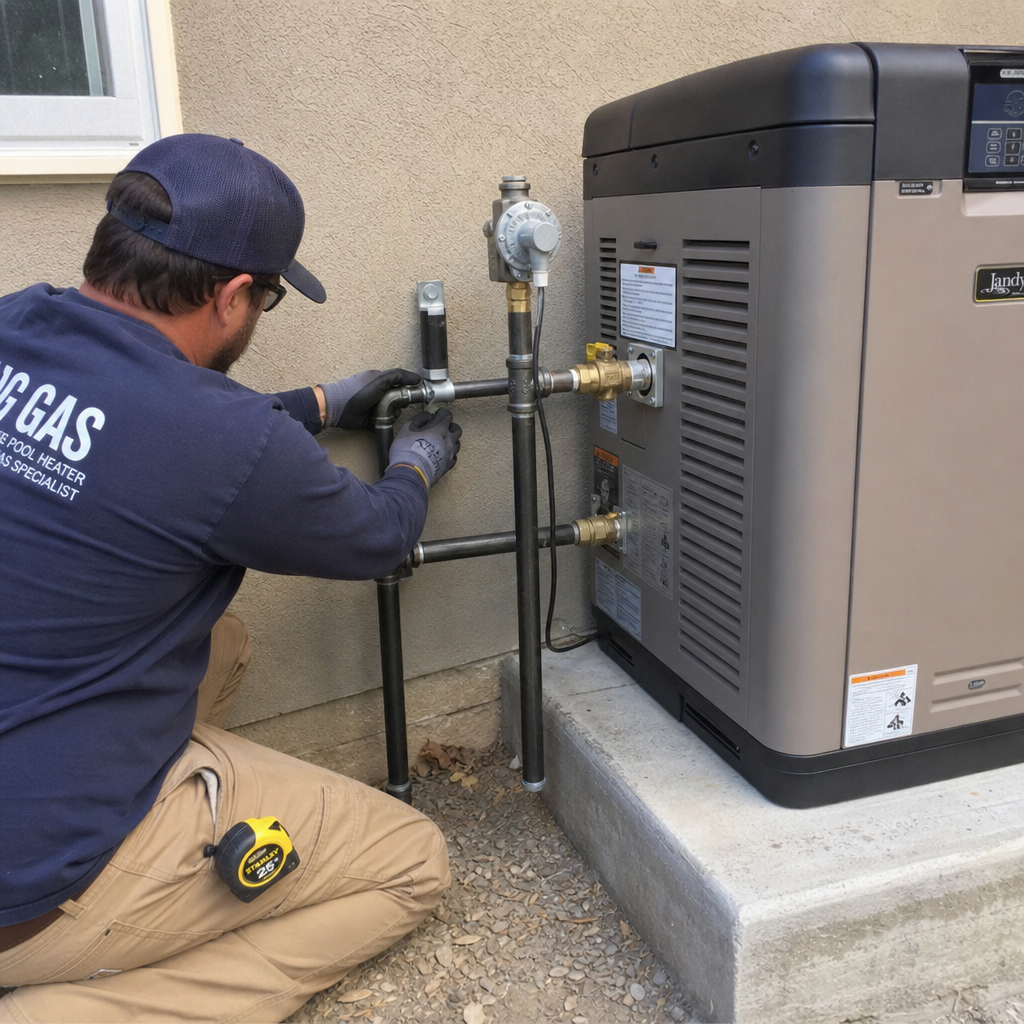
Whole-Home Generator Gas Lines Before Storm Season
Is Your Gas System Ready for a Whole-Home Generator?
A whole-home standby generator can keep essential systems running when severe weather knocks out utility power—but the generator needs a dependable fuel supply before it can do its job.
For homes using natural gas or propane, that means the generator installation must include a properly planned and sized gas line. Simply placing a generator beside the house and connecting it to an existing pipe does not automatically mean the home's gas system can provide enough fuel for the generator to operate correctly.
This is especially important for homeowners in Northern Virginia and Southern Maryland preparing for storm season. If you're considering a whole-home generator, the best time to evaluate your gas supply is before severe weather is approaching and before installation schedules become crowded.
NOVA Gas Works specializes in natural gas and propane systems, including gas lines for whole-home generators, residential appliances, outdoor equipment, and commercial applications throughout Northern Virginia and Southern Maryland.
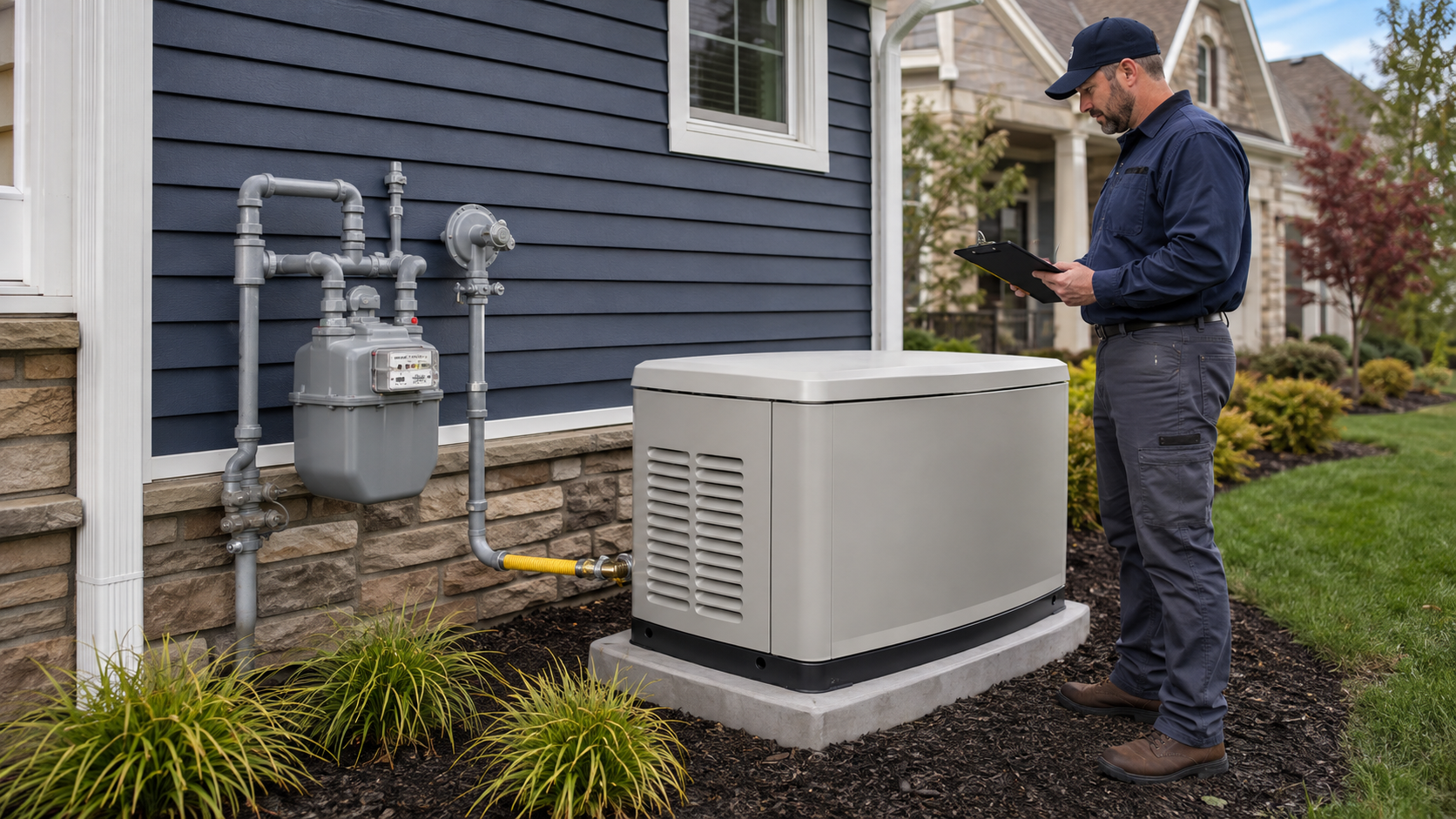
Does a Whole-Home Generator Need a Gas Line?
A standby generator powered by natural gas requires a connection to the home's natural gas supply. Propane-powered standby generators require an appropriately designed connection to the property's propane supply.
Unlike a portable gasoline generator, a permanently installed standby generator is designed to remain in place and automatically provide backup electricity when utility power fails.
The fuel system is an essential part of that installation.
A professional gas contractor needs to evaluate:
- Generator fuel requirements
- Generator BTU demand
- Natural gas or propane supply
- Existing gas meter or propane system capacity
- Distance between the fuel source and generator
- Existing gas appliances
- Gas line diameter
- Fuel pressure
- Pipe routing
- Local code requirements
The correct setup varies from home to home.
Why Is Gas Line Sizing So Important for a Generator?
Whole-home generators can require a substantial amount of fuel when operating under load.
That means an existing gas line that works perfectly for a furnace, water heater, fireplace, and range may not automatically have enough capacity to support a standby generator as well.
A gas professional must look at the entire system rather than the generator connection alone.
Factors affecting generator gas line sizing include:
- Generator size
- Manufacturer fuel requirements
- Total BTU demand
- Length of the gas line
- Number of fittings and turns
- Available gas pressure
- Other appliances using the same fuel system
An undersized fuel line can prevent the generator from receiving the amount of gas it requires, particularly when other appliances are operating at the same time.
Proper planning helps ensure the generator has the fuel supply it needs when an outage actually occurs.
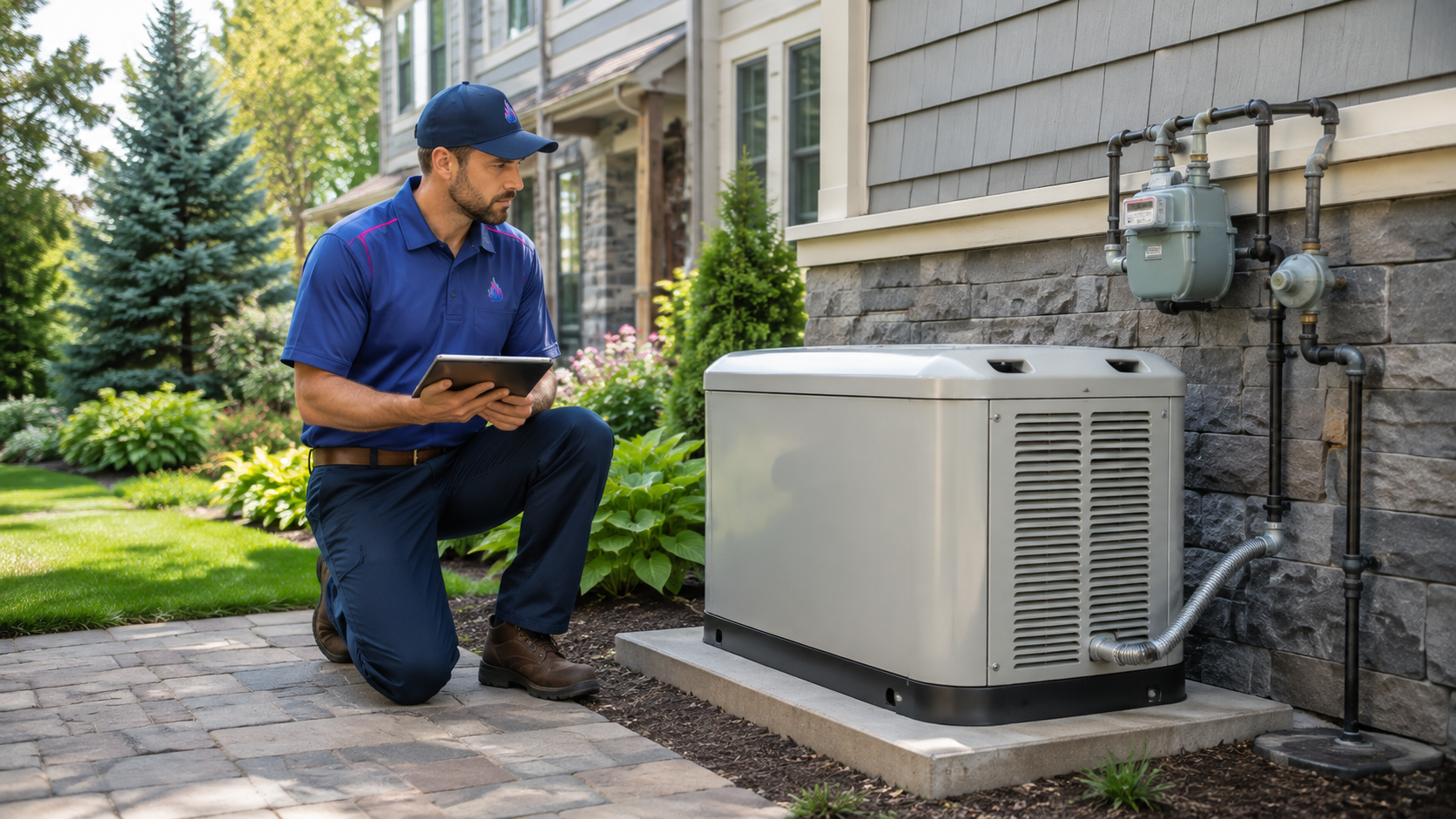
Can You Connect a Generator to an Existing Natural Gas Line?
Sometimes, but the existing system must first be evaluated.
One of the most important questions during natural gas generator installation is whether the home's current gas infrastructure can accommodate the additional load.
For example, a home may already use natural gas for:
- Heating
- Water heating
- Cooking
- Clothes drying
- Fireplaces
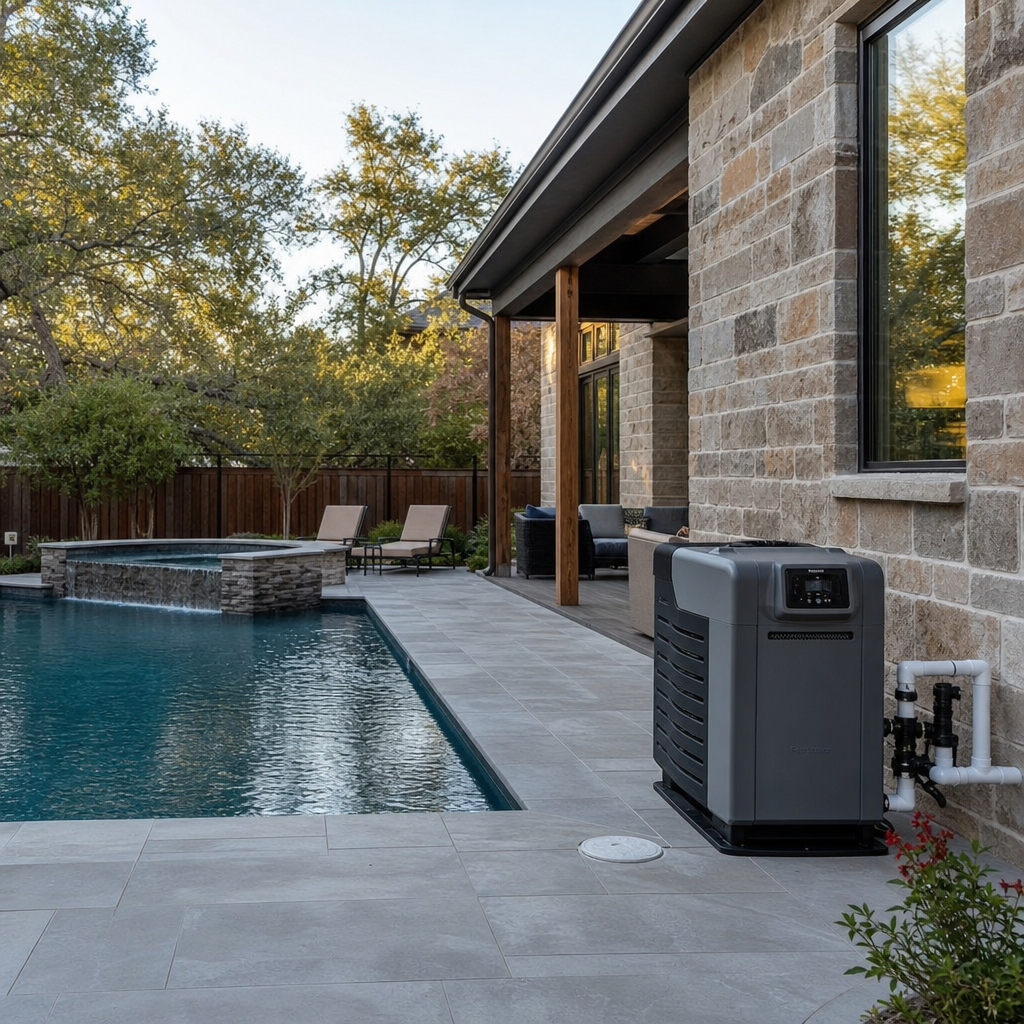
- Pool heaters
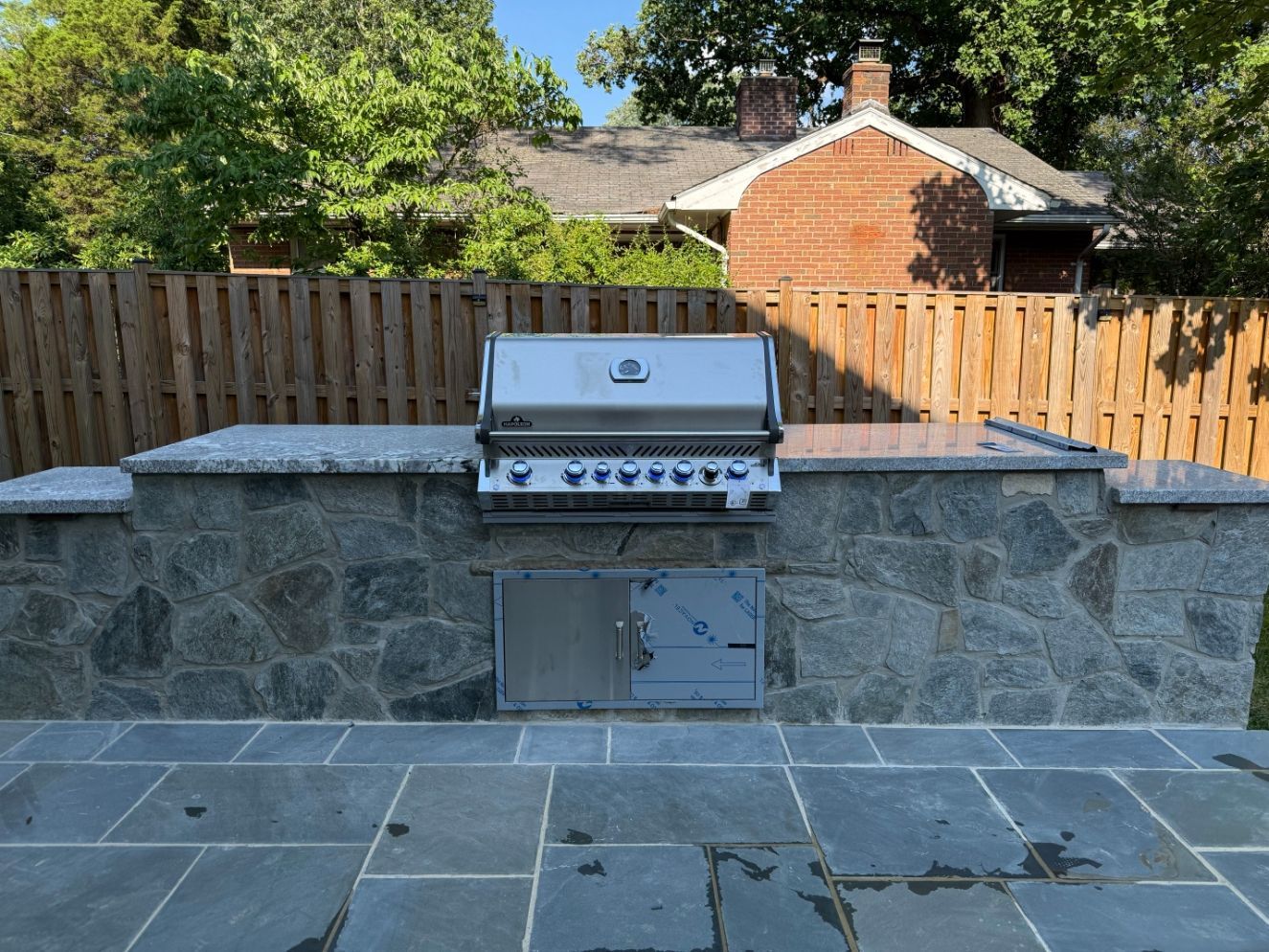
- Outdoor kitchens
- Gas grills
Adding a whole-home generator can significantly increase total system demand.
The solution may involve extending an existing line, installing a dedicated generator gas line, increasing pipe size, modifying the system layout, or addressing fuel-supply capacity.
That determination should be made through proper system calculations rather than assumptions.
Does a Whole-House Generator Need a Dedicated Gas Line?
A dedicated line may be recommended depending on the generator, property, existing gas system, and local installation requirements.
The important point is that the generator needs a correctly sized and configured fuel supply.
A licensed gas contractor can determine the appropriate routing and piping configuration based on:
- Generator specifications
- Available fuel pressure
- Distance from the meter or propane source
- Existing appliance demand
- Property layout
- Applicable codes
This is why the gas portion of standby generator installation should be planned early rather than treated as a last-minute connection.
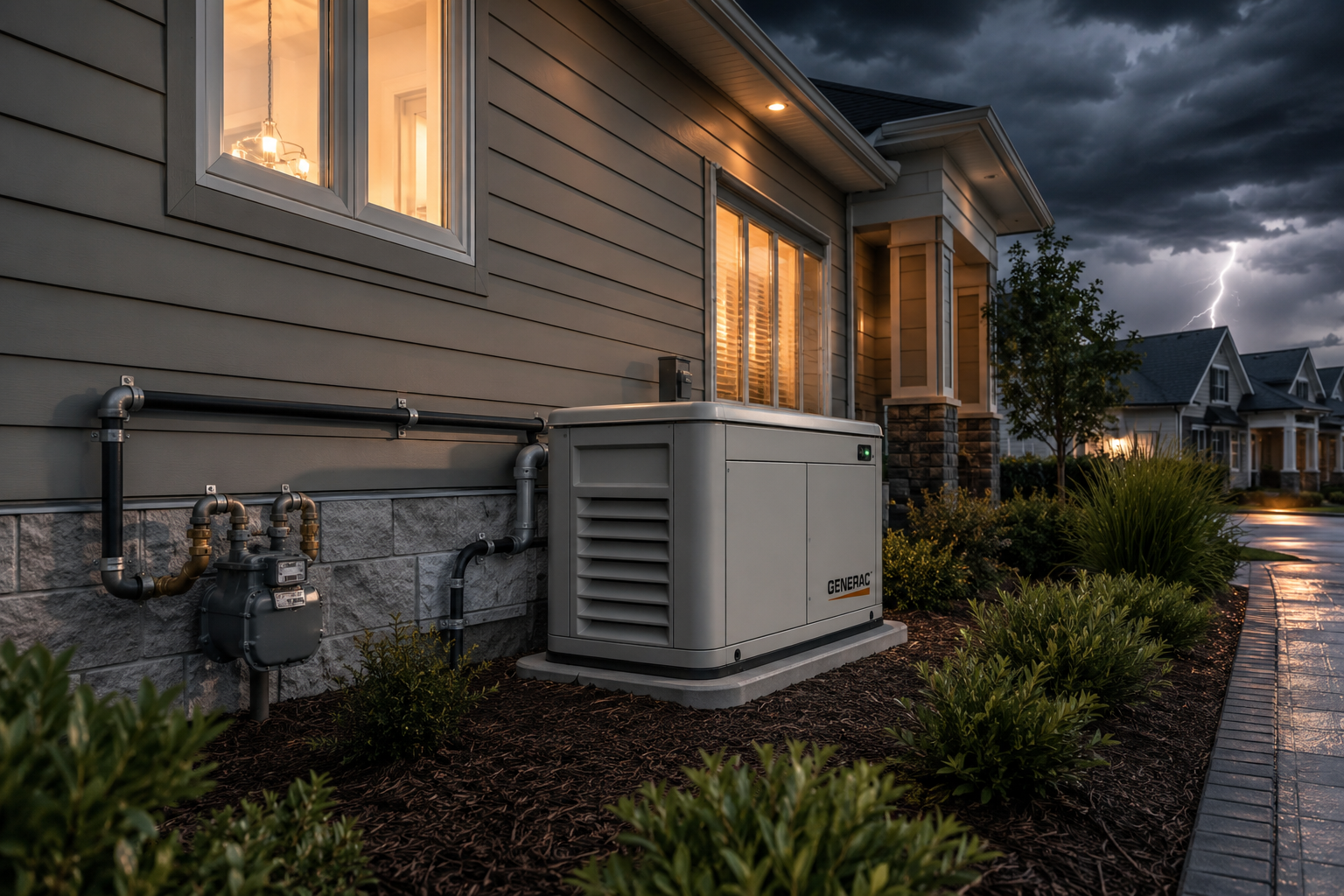
Why Prepare Your Generator Gas Line Before Storm Season?
Backup power is most valuable when it's ready before you need it.
Waiting until a major storm is forecast can create unnecessary problems. Generator installers, electricians, gas contractors, equipment suppliers, and inspectors may all become busier when homeowners begin preparing at the same time.
Planning ahead provides time to:
- Evaluate your existing gas system
- Determine generator fuel requirements
- Plan gas line routing
- Complete any necessary trenching
- Coordinate with other contractors
- Obtain required permits
- Complete inspections
- Pressure-test and leak-test the fuel system
- Test the completed generator installation
A standby generator is a preparedness investment. The fuel infrastructure deserves the same advance planning as the generator itself.
Natural Gas or Propane: Which Works for a Standby Generator?
Many whole-home standby generators are designed to operate on either natural gas or propane when properly configured for the selected fuel.
The best option depends largely on what is available at the property.
Natural Gas
For homes already connected to utility natural gas, a standby generator can use the existing fuel source when the gas system has adequate capacity.
Advantages include:
- No on-site fuel tank to refill
- Continuous utility fuel supply under normal service conditions
- Convenient operation during extended electrical outages
Propane
Propane can be an excellent solution for homes without natural gas service.
The propane system must have sufficient fuel storage and delivery capacity for the selected generator and other propane appliances on the property.
Neither option should be selected solely on convenience. The entire fuel system must be evaluated to ensure it can support the generator properly.
What Happens During Generator Gas Line Installation?
Although every property is different, the gas portion of a standby generator project typically begins with evaluating the generator specifications and existing fuel system.
1. Determine Generator Fuel Demand
The contractor reviews the generator's fuel requirements and rated demand.
2. Evaluate the Existing Gas System
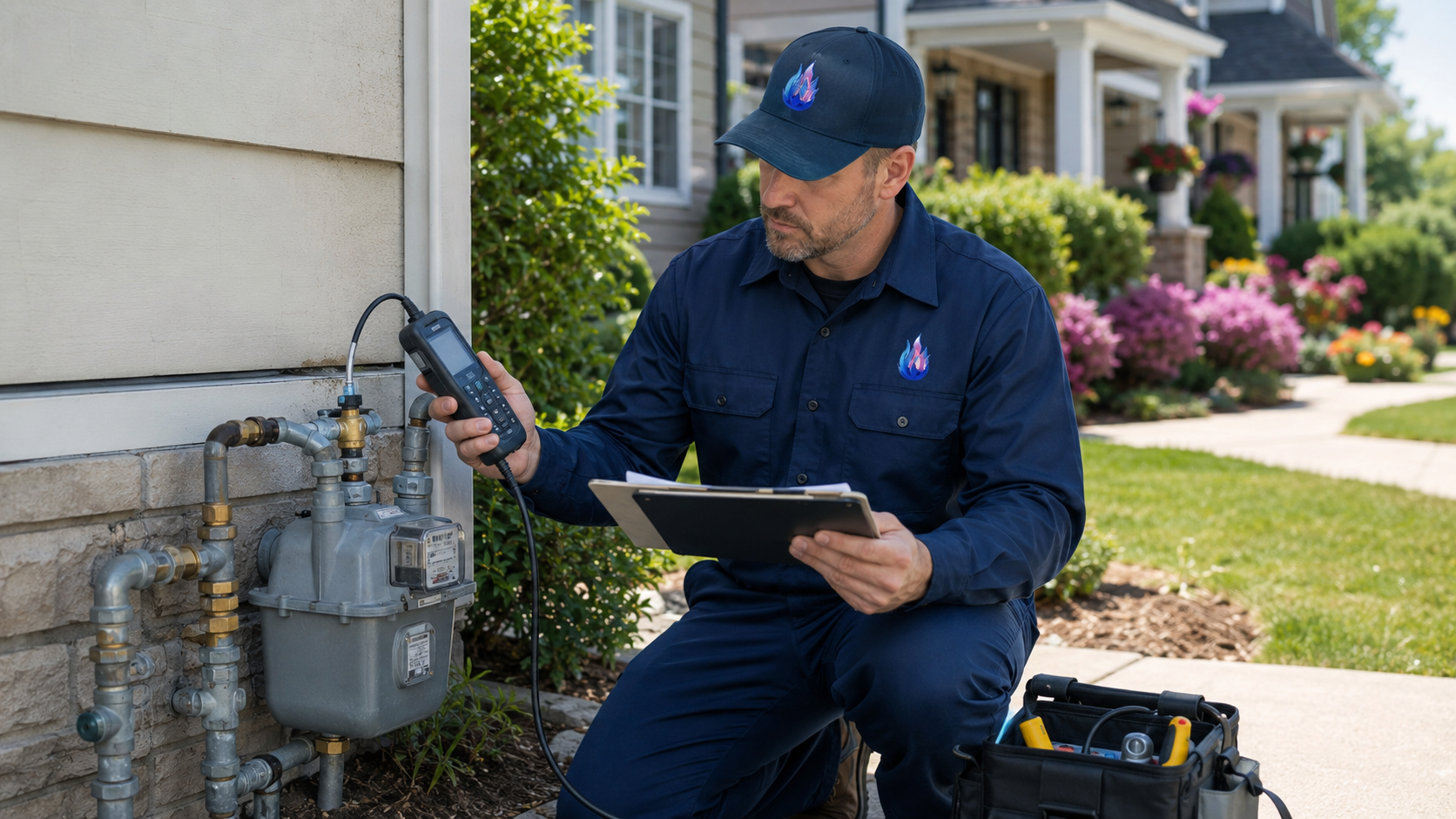
Existing appliances, pipe sizes, fuel pressure, gas meter capacity, or propane system are considered.
3. Plan the Gas Line
The appropriate pipe size and route are determined based on the equipment and property.
4. Install or Extend the Gas Line
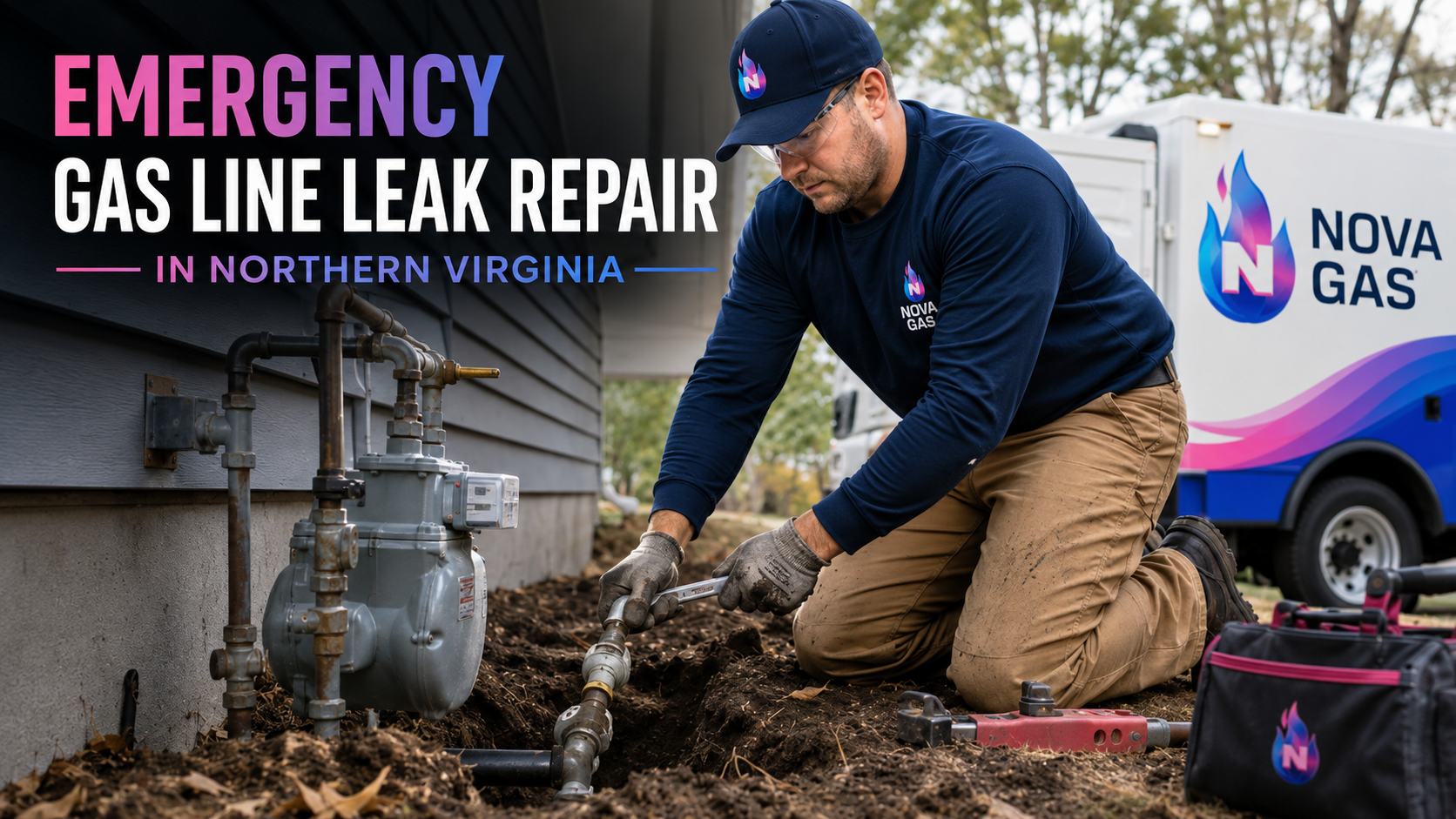
A new line may be installed between the fuel source and generator. Some projects require exterior piping or underground trenching.
5. Connect the Generator Fuel Supply
The fuel connection is completed according to the generator manufacturer's requirements and applicable codes.
6. Test the Gas System
The completed gas piping must be tested to verify the integrity of the installation before the generator is placed into service.
The electrical installation and automatic transfer equipment should be handled by appropriately qualified professionals as part of the overall generator project.
Should You Install the Generator Before the Gas Line?
Ideally, the gas contractor and generator installer should coordinate before final equipment placement.
Generator location can affect:
- Gas piping distance
- Electrical installation
- Installation cost
- Required clearances
- Service accessibility
- Trenching
- Fuel pressure
- Property restrictions
Selecting the location without considering the fuel source can make the gas installation unnecessarily difficult or expensive.
Early coordination allows everyone involved to plan around the complete system.
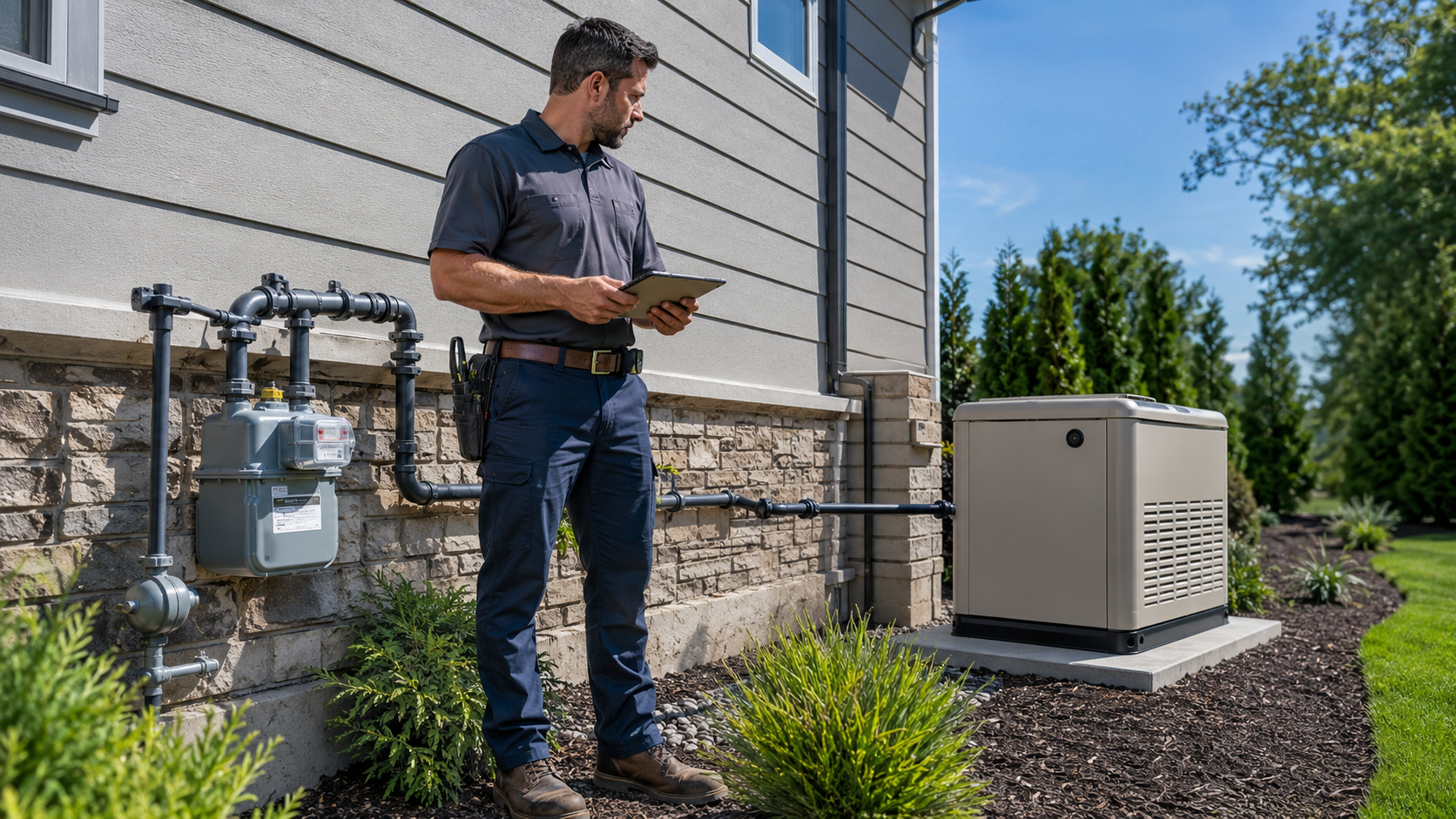
Can an Existing Gas Meter Handle a Whole-Home Generator?
Not always.
Adding a large gas appliance can change the total fuel demand of a property.
The gas system should be evaluated to determine whether the existing supply is appropriate for the generator plus all other gas appliances that may operate simultaneously.
This is particularly important in homes that already have high-demand equipment such as:
- Multiple furnaces
- Tankless water heaters
- Pool heaters
- Large ranges
- Outdoor kitchens
- Gas fireplaces
- Patio heating systems
If additional capacity is required, the appropriate solution depends on the property's existing infrastructure and utility service.
Professional Generator Gas Lines in Northern Virginia & Southern Maryland
A whole-home standby generator is only as dependable as the systems supporting it.
For natural gas and propane generators, dependable backup power starts with a properly designed fuel supply.
NOVA Gas Works specializes in gas systems and provides professional generator gas line installation, gas line extensions, system evaluations, and related natural gas and propane services throughout Northern Virginia and Southern Maryland.
Whether you're installing a new whole-home generator or evaluating the fuel system for an upcoming project, our team can determine what your property needs and coordinate the gas portion of the installation with your other contractors.
Prepare before the next outage.
Contact NOVA Gas Works to schedule an evaluation for a whole-home generator gas line in Northern Virginia or Southern Maryland.
Frequently Asked Questions
Q: What size gas line does a whole-home generator need?
A: There is no single gas-line size that works for every generator. Proper sizing depends on the generator's fuel demand, piping distance, available gas pressure, fittings, other appliance loads, and manufacturer requirements. A qualified gas professional should calculate the appropriate size for the specific installation.
Q: Can I connect a whole-house generator to my existing natural gas line?
A: Possibly. The existing gas system first needs to be evaluated to determine whether it has enough capacity for the generator in addition to the home's other gas appliances.
Q: Does a standby generator need a dedicated natural gas line?
A: The required configuration depends on the generator, existing gas system, available pressure, and applicable codes. Some installations use a dedicated run from the fuel source, while others may require a different professionally designed configuration.
Q: Can a whole-home generator run on propane?
A: Many standby generator models can operate on propane when properly configured. The propane tank, regulators, piping, and available fuel supply must be sized appropriately for the generator's requirements.
Q: When should I install a generator gas line?
A: Ideally, gas-line planning should happen early in the generator installation process and well before severe weather is expected. This provides time for system evaluation, installation, permits, inspections, testing, and coordination with the electrical or generator contractor.
Q: Who installs the natural gas line for a standby generator?
A: The fuel connection should be handled by a qualified gas professional experienced with gas piping, system sizing, pressure requirements, testing, and applicable local codes.