Gas Line for Pool Heater in Northern Virginia
Why Professional Gas Line Installation Is Essential for
Pool Heaters
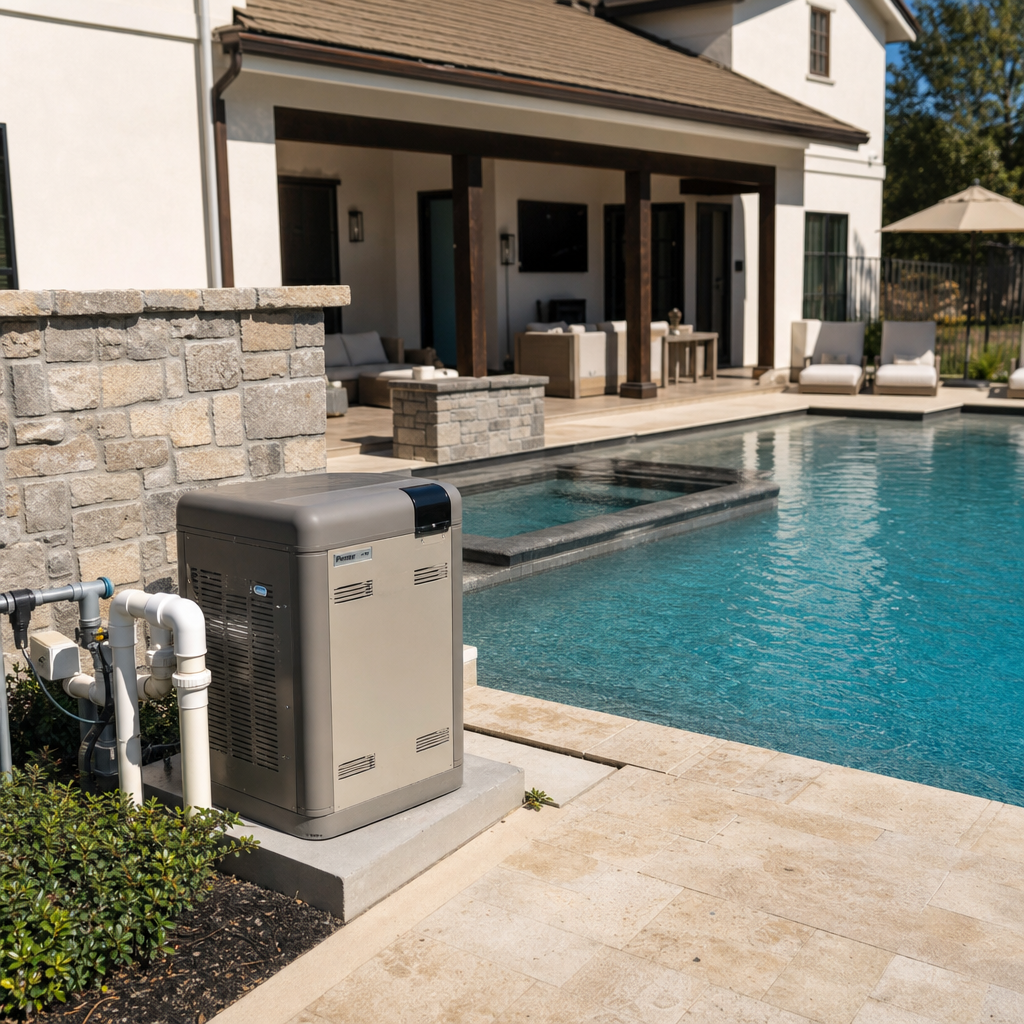
Installing a gas line for a pool heater is one of the best ways to extend your swimming season and get more enjoyment from your backyard. A natural gas pool heater warms water quickly, performs reliably in changing weather, and allows homeowners to enjoy comfortable swimming well beyond the hottest months of summer.
However, a pool heater is only as dependable as the gas line supplying it. Proper gas line installation requires careful planning, trenching, pipe sizing, permitting, and code compliance to ensure safe, efficient performance for years to come.
Whether you're installing a new pool, upgrading your outdoor living space, or adding a heater to an existing pool, working with an experienced gas contractor is essential for protecting your investment and ensuring your system operates safely.
How Does a Gas Line for a Pool Heater Work?
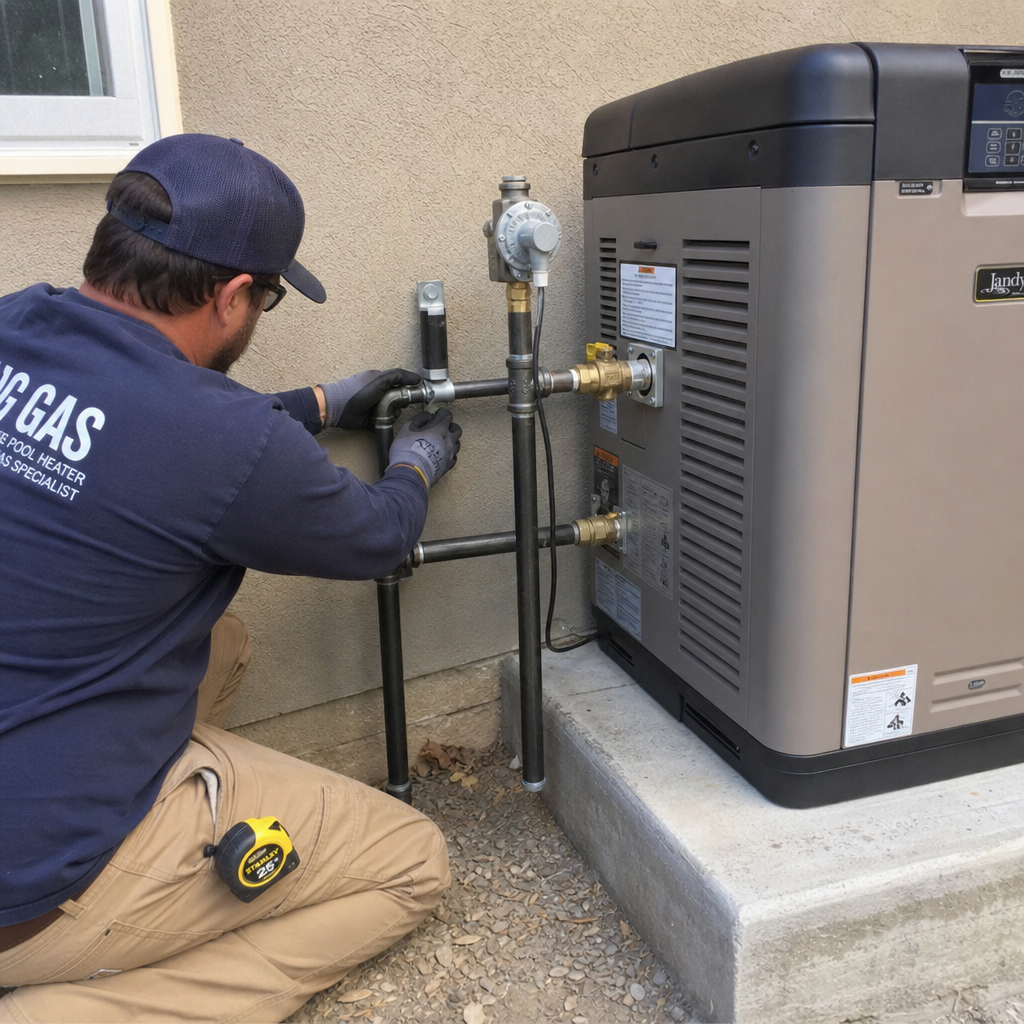
A pool heater connects to your home's natural gas service through a dedicated underground gas line. Once connected, the heater uses natural gas to quickly raise the temperature of your pool water before circulating it back into the pool.
Unlike electric heat pumps, natural gas heaters can heat water rapidly, making them an excellent choice for homeowners who want to swim on weekends, entertain guests, or maintain comfortable water temperatures throughout the season.
Many homeowners choose natural gas because it offers:
- Faster heating times
- Reliable performance
- Consistent water temperatures
- Longer swimming seasons
- Convenient operation without propane refills
For larger pools or homeowners who enjoy entertaining, natural gas often provides the quickest and most effective heating solution.
Why Does Installing a Gas Line Require Trenching?
One of the most important steps in installing a gas line for a pool heater is trenching.
Because the gas line travels underground from the home's existing gas service to the pool equipment, a properly excavated trench protects the piping while meeting local safety codes and utility requirements.
Professional trenching helps:
- Protect the underground local gas line
- Maintain proper installation depth
- Reduce the risk of accidental damage
- Allow for safe inspection before backfilling
- Support long-term system reliability
The exact trench depth and installation requirements vary depending on local building codes, soil conditions, and the type of piping being installed.
Why Proper Gas Line Sizing Matters
One of the most overlooked parts of pool heater installation is sizing the gas line correctly.
Pool heaters require a significant amount of natural gas to operate efficiently. If the gas line is undersized, the heater may not receive enough fuel to perform properly.
Improper sizing can lead to:
- Slow pool heating
- Reduced heater efficiency
- System shutdowns
- Appliance damage
- Increased maintenance costs
Professional gas contractors calculate the proper pipe size by evaluating:
- Heater BTU requirements
- Distance from the gas meter
- Existing household gas demand
- Pipe material
- Pressure requirements
Proper engineering ensures the heater performs exactly as designed.
Why You Should Never Install a Pool Heater Gas Line Yourself
Gas line service is not a DIY home improvement project.
Installing underground gas lines requires specialized knowledge of fuel systems, local building codes, pressure testing procedures, and safety regulations.
Improper installation can create serious hazards including:
- Gas leaks
- Equipment failure
- Property damage
- Failed inspections
- Costly repairs
Professional installation includes:
- Utility locating
- Proper trench excavation
- Code-compliant piping
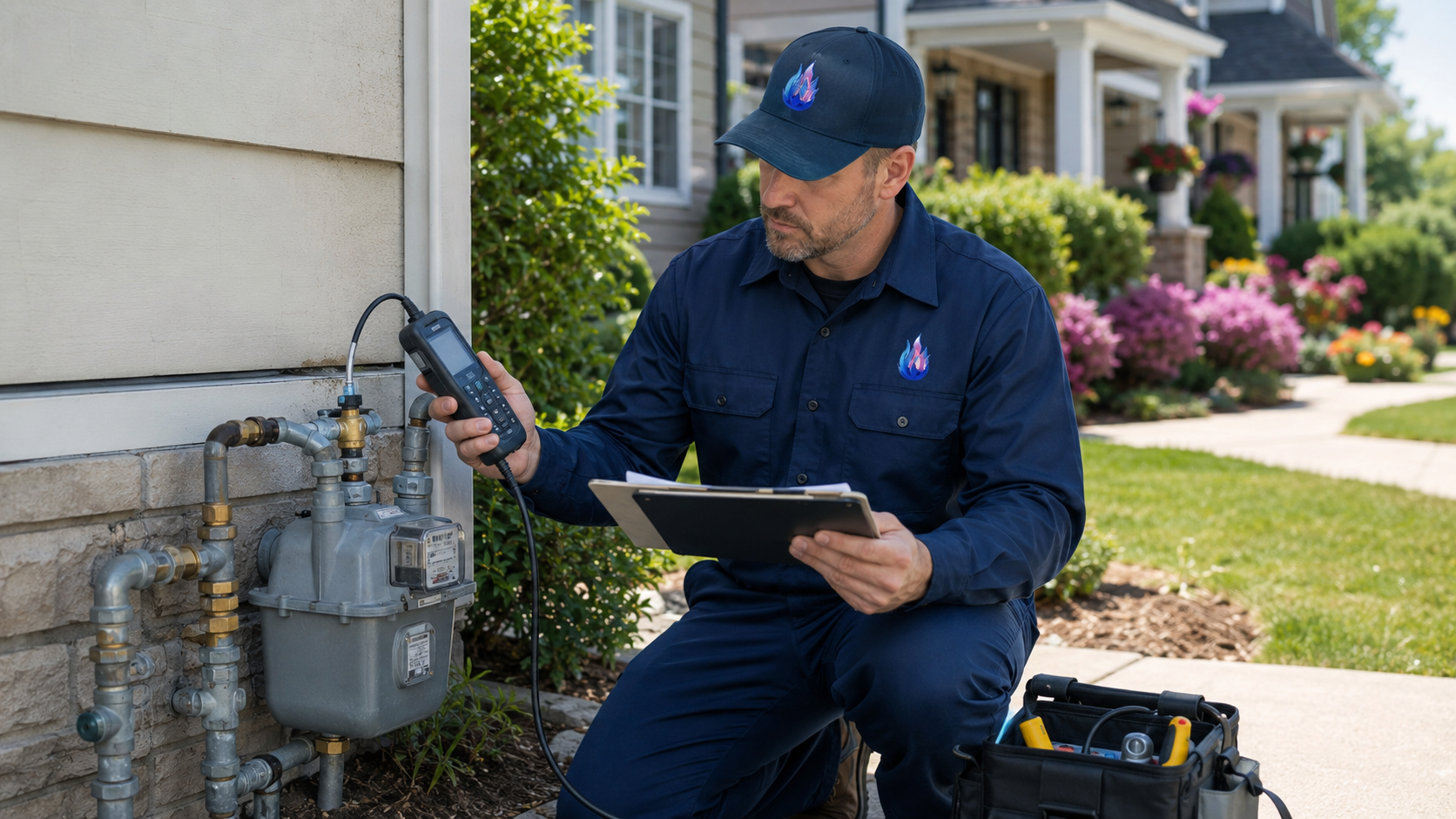
- Pressure testing
- Leak detection
- Final inspection
Working with a licensed gas contractor helps ensure the entire system operates safely from the first day of operation.
Can You Add a Pool Heater to an Existing Pool?
Yes.
Many Northern Virginia homeowners decide to install a pool heater several years after their pool is built.
In these situations, a new underground gas line is typically installed from the home's gas meter to the pool equipment area.
A professional evaluation determines:
- Whether the existing gas service has enough capacity
- The best trench route
- Proper pipe sizing
- Permit requirements
- Future expansion opportunities
Many homeowners also choose to install larger gas piping during the project to accommodate future outdoor additions such as:
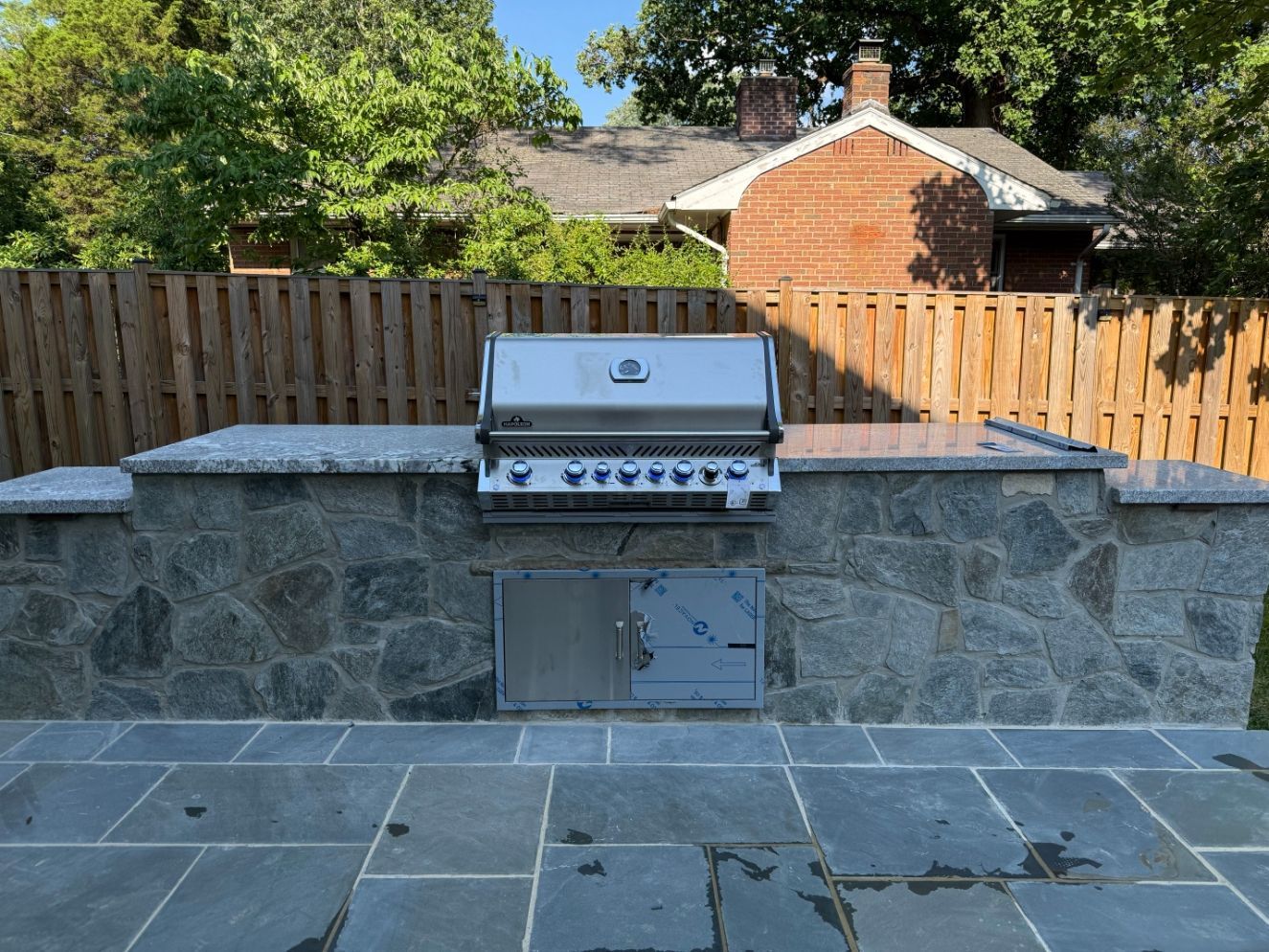
- Outdoor kitchens
- Fire pits
- Patio heaters
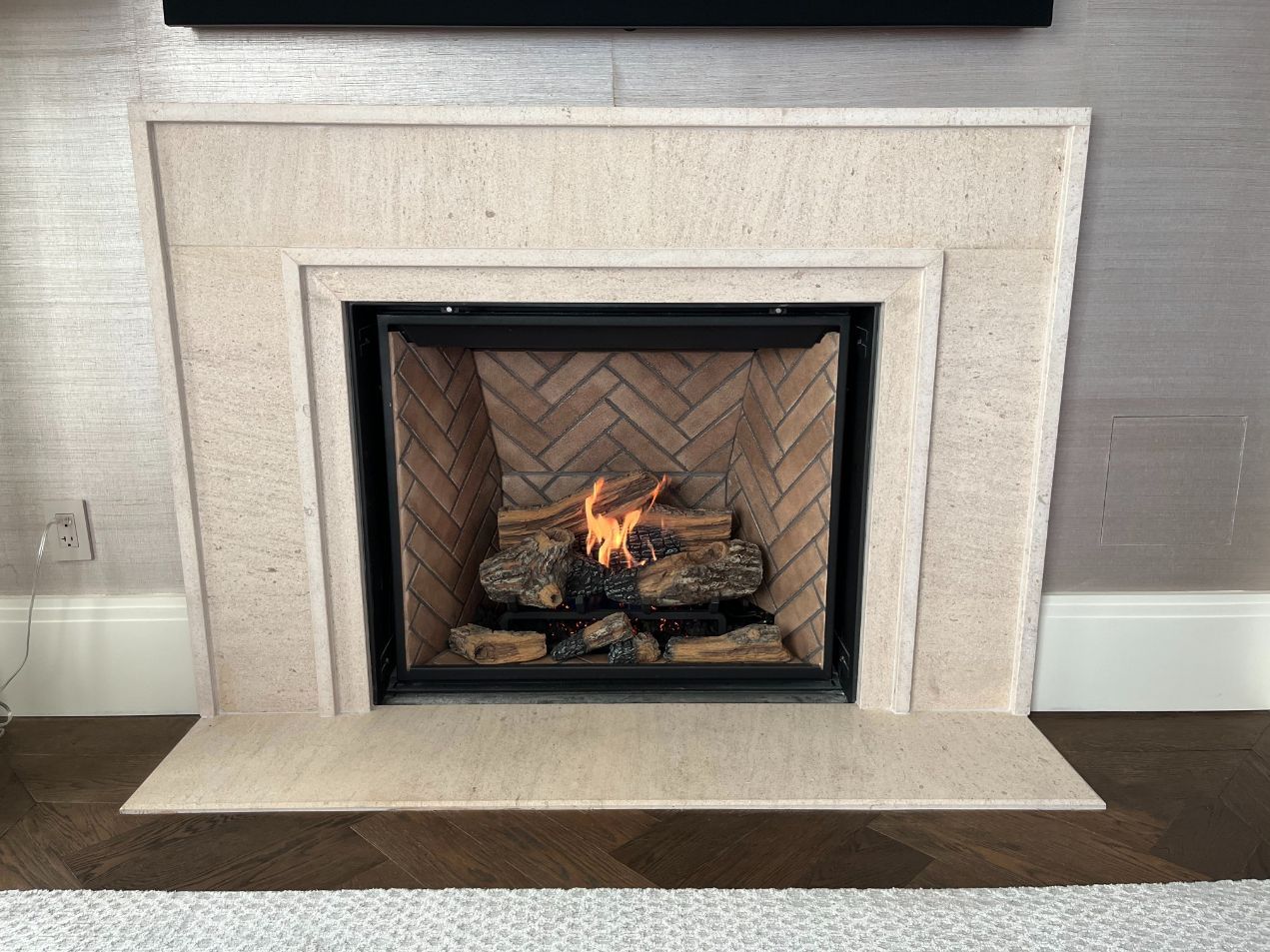
- Fireplaces
- Pizza ovens
Planning ahead can significantly reduce future installation costs.
What Happens During a Professional Gas Line Installation?
Every project is different, but most pool heater gas line installations follow a similar process.
Planning and Design
The project begins with evaluating the property, identifying the safest routing for the underground gas line, and determining the required pipe size based on the pool heater's specifications.
Trenching
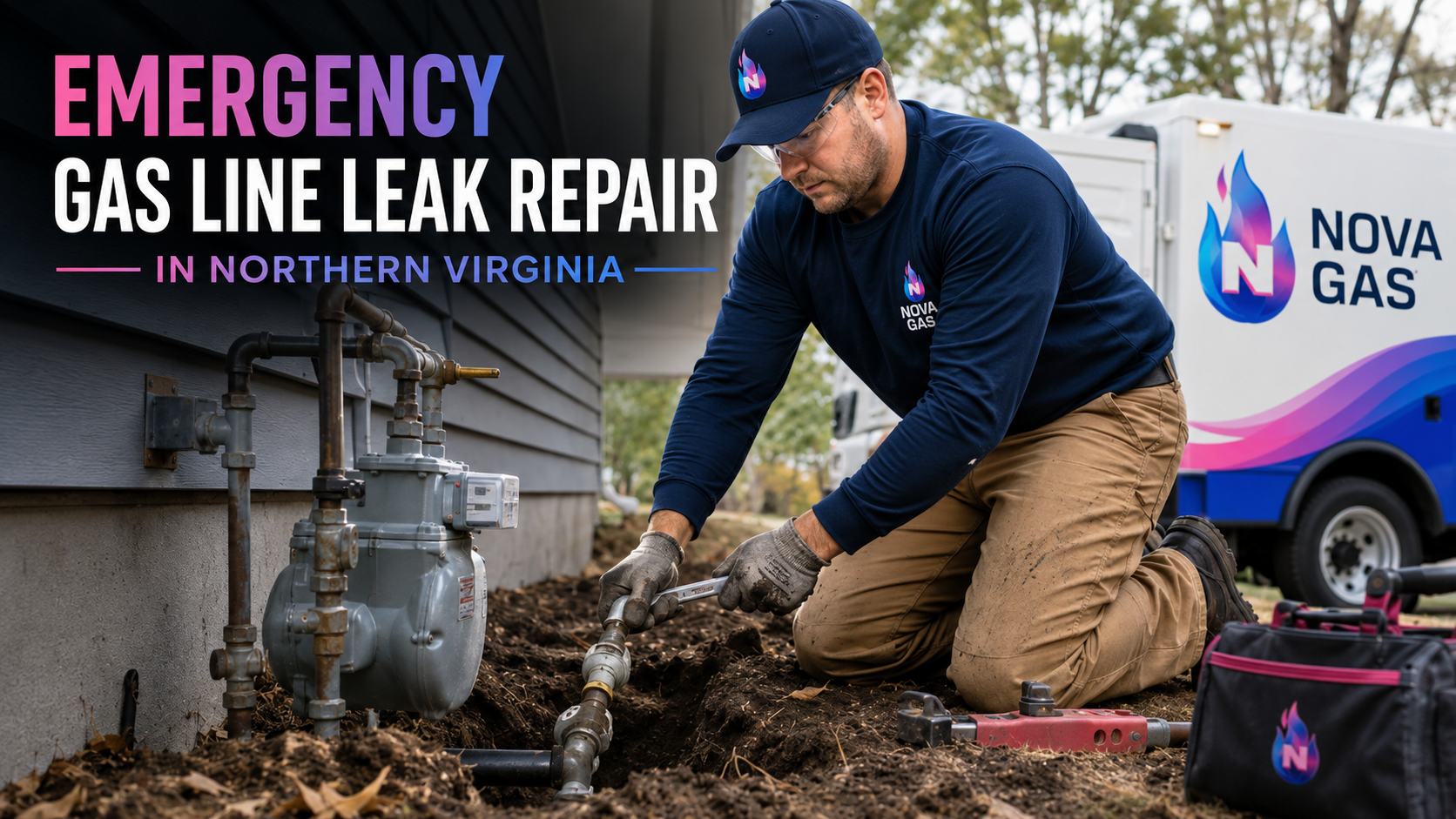
A trench is carefully excavated between the home's gas source and the pool equipment pad while avoiding existing underground utilities.
Gas Pipe Installation
The gas piping is installed according to local building codes and manufacturer requirements.
Pressure Testing
Before the trench is backfilled, the entire system is pressure tested to verify there are no leaks.
Final Inspection
Required inspections are completed before the heater is connected and placed into operation.
Why Summer Is the Best Time to Install a Gas Line for a Pool Heater
Summer is the busiest season for backyard improvements throughout Northern Virginia, District of Columbia, and Maryland.
Installing a pool heater during this time allows homeowners to enjoy:
- Longer swimming seasons
- Comfortable evening pool temperatures
- Better outdoor entertaining
- Increased property value
- More enjoyment from their backyard investment
Completing gas line installation before fall also allows homeowners to maximize the use of their pool during cooler weather.
Choose an Experienced Gas Line Contractor
Installing a gas line for a pool heater is an investment in your home's comfort, outdoor lifestyle, and long-term value.
Choosing an experienced gas contractor ensures your underground gas line is properly designed, professionally installed, and fully compliant with local building codes.
At NOVA Gas, we provide professional gas line installation services throughout Northern Virginia, District of Columbia, and Southern Maryland, for pool heaters, outdoor kitchens, fire pits, generators, home additions, and commercial projects. Our experienced team works with homeowners, pool builders, and contractors to deliver safe, reliable gas systems built to last.
If you're planning to install a pool heater or upgrade your outdoor living space, contact NOVA Gas to schedule a consultation and learn how a professionally installed gas line can help you enjoy your backyard for years to come.
FAQs
Q: Do I need a dedicated gas line for a pool heater?
A: In most cases, yes. Pool heaters require a significant amount of natural gas, and a dedicated gas line helps ensure the heater receives the proper fuel supply for safe and efficient operation.
Q: How deep is an underground gas line buried?
A: Burial depth depends on local building codes, utility requirements, and the type of gas piping being installed. A licensed contractor will install the gas line according to all applicable regulations.
Q: Can I install a gas line for my pool heater myself?
A: Because gas line installation involves permits, pressure testing, and strict safety standards, it should always be completed by a qualified gas contractor.
Q: Can one gas line supply multiple outdoor appliances?
A: Yes. A properly designed gas system can often supply a pool heater, outdoor kitchen, grill, fire pit, patio heater, and other natural gas appliances. Planning for future outdoor upgrades during the initial installation can save time and money.