Why Professional Gas Line Installation Matters
Why Professional Gas Line Installation Matters in Northern Virginia
Natural gas and propane systems have become essential features in modern homes and commercial properties. Today's appliances are more advanced. Building codes are more detailed. Safety standards keep evolving. As a result, professional gas line installation is no longer a simple construction task — it's a specialized service that requires technical accuracy and licensing.
Property owners in Virginia expect safety, energy efficiency, and long-term reliability. Expert installation is how those expectations get met.
Regulations are shifting. Fuel demand is rising. High-efficiency appliances are more popular than ever. All three point to the same truth: expert gas installation matters more today than it used to.
At the same time, inspection requirements have tightened. Municipalities like Falls Church enforce strict documentation, pressure testing, and material standards. These standards protect property and public safety. Insurance providers also expect proof of licensed installation when evaluating claims involving gas systems.
A correctly installed gas line does more than add convenience. It protects your property and makes sure your appliances operate the way they were designed.
The Increasing Need for Professional Gas Line Installation
Homeowners are investing in upgraded kitchens, efficient heating solutions, outdoor entertainment areas, and gas-powered systems that improve convenience and lower energy costs. These enhancements place greater demands on gas lines, requiring proper planning and precise execution.
At the same time, inspection requirements have tightened. Municipalities enforce strict documentation, pressure testing, and material standards to protect property and public safety. Insurance providers also expect proof of licensed installation when evaluating claims involving gas systems.
A correctly installed gas line provides more than convenience because these expectations are now a standard. It protects your property and ensures your gas appliances operate the way they were designed.
4 Reasons Why Expertise Is Essential in Gas System Design and Installation
Professional gas installation is a technical discipline involving calculation, engineering, and regulatory knowledge. A trained expert makes sure every component supports the system's performance and long-term safety.
1. Compliance with modern safety standards
Current codes require specific materials, installation methods, and testing procedures. Licensed installers understand these requirements and implement them correctly. That reduces the risk of inspection failures or insurance complications.
2. Precise design and fuel distribution
Each appliance requires a specified fuel load. Experts determine the right pipe diameter, routing, and regulator placement. That keeps performance consistent across the entire system.
3. Advanced verification and testing
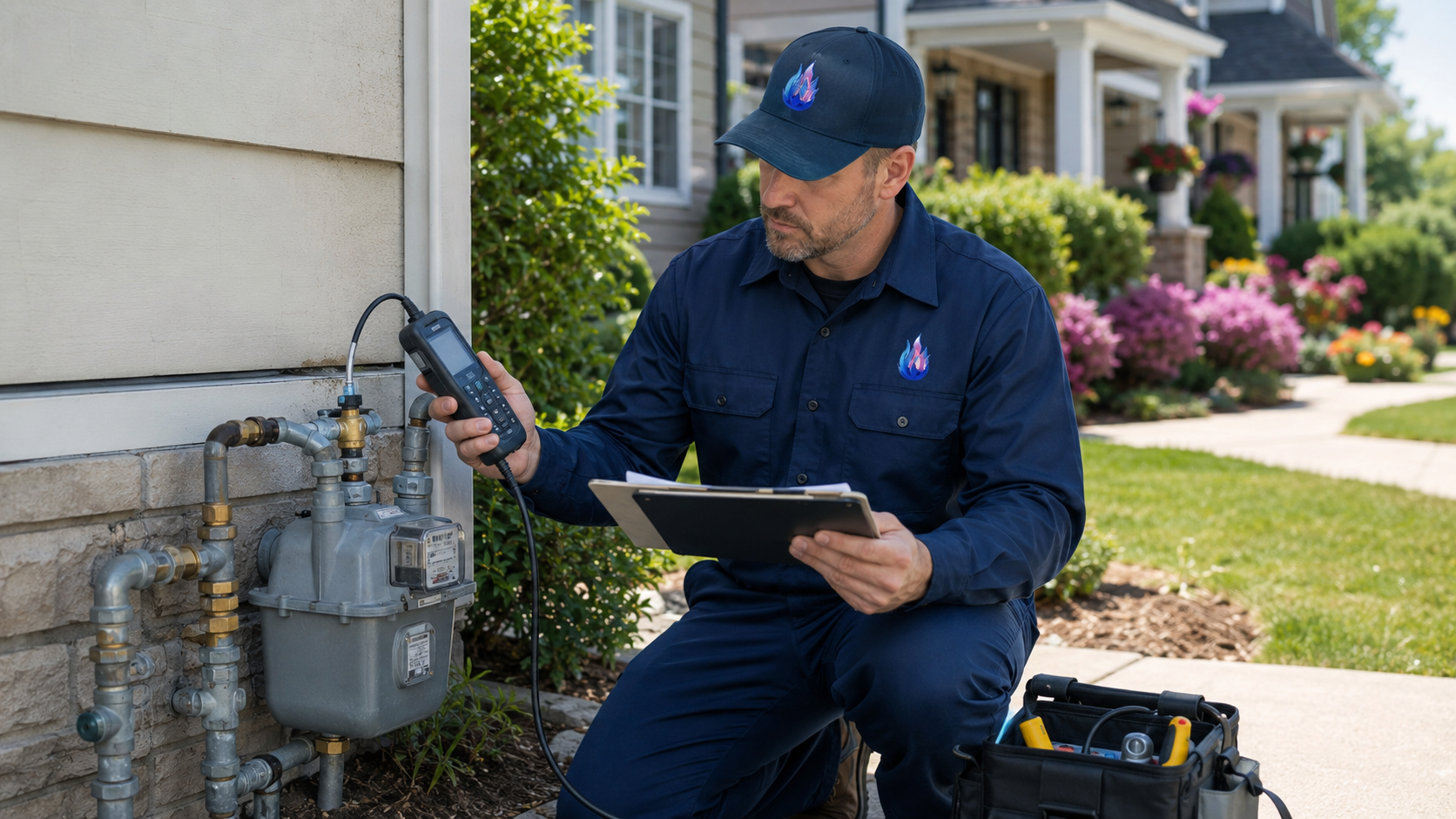
Professional installers use specialized diagnostic tools and structured pressure testing to confirm system integrity. This level of verification makes sure the system operates safely before any appliance is turned on.
4. Reduced likelihood of system disruptions
A well-engineered gas line installation minimizes performance inconsistencies. It also helps prevent issues from wear, climate exposure, or appliance upgrades over time.
What Homeowners Gain From Professional Gas Line Installation
Working with trained gas specialists pays off well beyond installation day. Homeowners and property managers benefit from safer systems, better efficiency, and long-term peace of mind.
Protection for your home and investment
A properly installed gas system dramatically reduces risks associated with leaks or improper venting. This protects your family, your appliances, and your home's structural integrity.
Optimized gas appliance operation
Modern gas-powered ranges, furnaces, water heaters, fireplaces, and outdoor systems rely on consistent fuel delivery. Professional installation supports better performance, greater efficiency, and longer appliance life.
Enhanced resale appeal
Buyers increasingly value documented professional installation. A compliant gas system can streamline home inspections and reduce potential buyer objections.
Clear pathway for future improvements
Professionals design systems with flexibility in mind. That makes it easier to add appliances or expand outdoor living areas later, with fewer structural changes.
Lower lifetime costs
Installing components correctly the first time means fewer repairs down the road. Homeowners save on future service calls, replacement parts, and system rebuilds.
Professional Installation From Consultation to Completion
A successful installation takes more than technical skill. It demands careful planning, coordination, and clear communication. A licensed expert follows a structured process to make sure the system meets today's performance and safety standards.
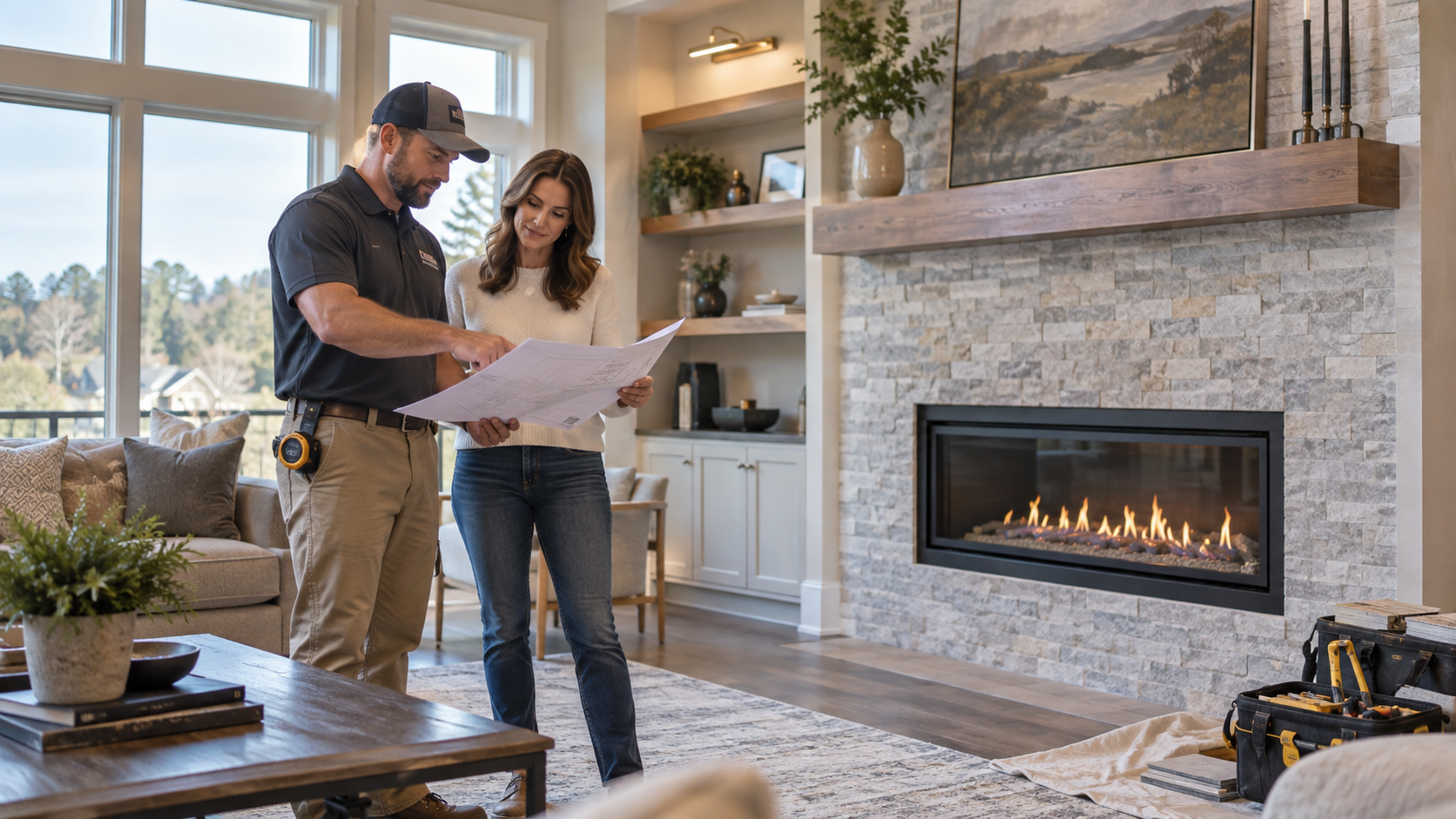
Initial assessment and planning
The installer evaluates your property layout, appliance list, fuel type, and long-term goals. This assessment guides accurate system design and confirms compatibility with your home's infrastructure.
Permit management and coordination
Gas installations require specific permits and scheduled inspections. Professionals handle these administrative steps to keep your project compliant and on schedule.
Installation using industry-approved components
Licensed installers use materials rated for gas systems. They follow precise methods to ensure durability and safe operation.
System testing and verification
After installation, the entire system undergoes thorough pressure testing and validation. This step confirms that connections are secure and fuel distribution is balanced, and verifies the system meets all code requirements.
Final approval and client orientation
Once the system passes testing and inspection, appliances are connected and verified. Homeowners receive clear guidance on operation, emergency shut-off procedures, and recommended maintenance practices.
When to Consider a New Gas Line Installation
A professional assessment is recommended in situations such as:
- Planning a home renovation or addition
- Converting electric appliances to natural gas or propane
- Installing a new fireplace or gas log set
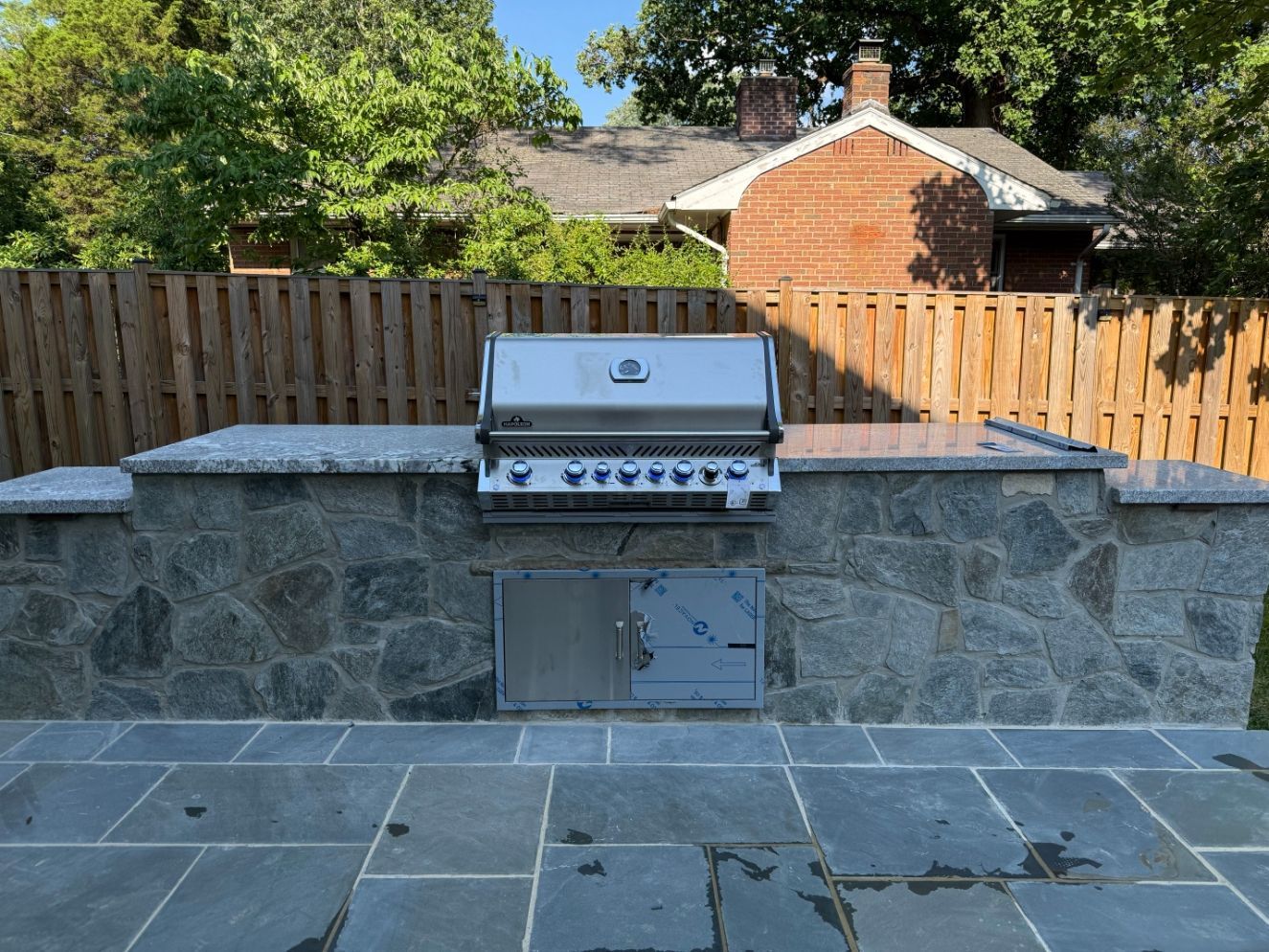
- Building an outdoor cooking or heating area
- Replacing outdated lines or materials
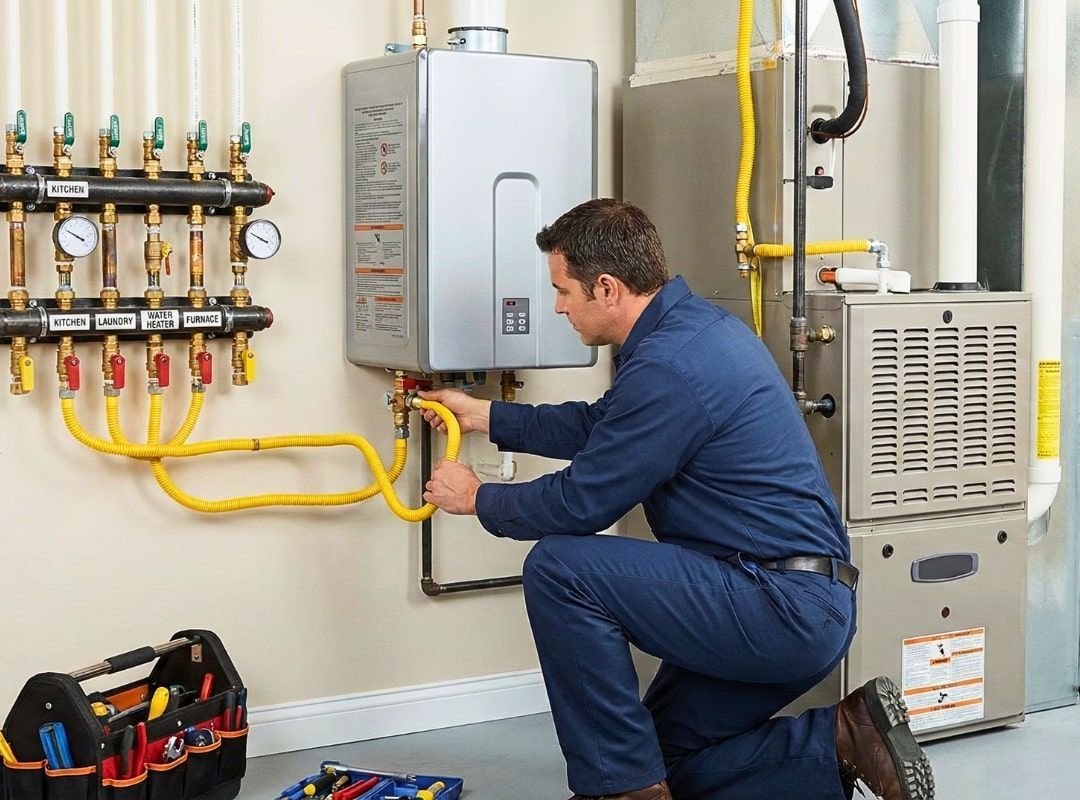
- Adding high-demand appliances like tankless water heaters or high-capacity furnaces
A licensed installer makes sure the system aligns with current standards and supports the performance you expect from your appliances.
Why NOVA Gas Works Is the Trusted Team for Professional Gas Line Installation
NOVA Gas Works specializes exclusively in natural gas and propane system installation. We bring a high level of expertise and attention to detail to every project. Our work reflects current codes, safety practices, and sound engineering — every system we install is built to last.
Clients choose us because:
- Licensed professionals handle every phase of our gas installation project
- We prioritize clarity, safety, and system integrity
- Our installations meet modern code and inspection requirements
- We use advanced testing tools to verify system performance
- We design systems that support your long-term plans
When precision and safety matter, NOVA Gas Works delivers dependable, expert service.
Choose Expertise. Choose Safety. Choose NOVA Gas Works.
A gas system demands precision, compliance, and long-term reliability. Only professional installation delivers all three. With safety expectations rising and energy demands increasing, choosing a trusted expert is one of the most valuable decisions you can make for your property.
If you're planning a remodel, upgrading appliances, or adding new gas service, now is the time to call in specialists. We understand the complexity — and the importance — of safe, efficient gas installation.
Contact NOVA Gas Works today for a professional consultation. Experience gas installation done with accuracy, care, and a real commitment to your safety.
Frequently Asked Questions About Professional Gas Line Installation
Why is professional installation required for gas line work?
Licensed installers ensure accuracy, safety, and compliance with current regulations. This protects your property and keeps your appliances performing reliably.
Will a professional installation improve appliance performance?
Yes. Correct pipe sizing, routing, and pressure regulation directly influence how efficiently your appliances operate.
How long does a gas installation project usually take?
Most residential installations are completed within one to two days, depending on system complexity and permit timelines.
Can older homes accommodate new gas installations?
Absolutely. Older properties often benefit greatly from updated lines and modern system design.
Do gas line installations always require a permit?
In most jurisdictions, yes. A professional installer handles the permitting process to ensure proper documentation and compliance.