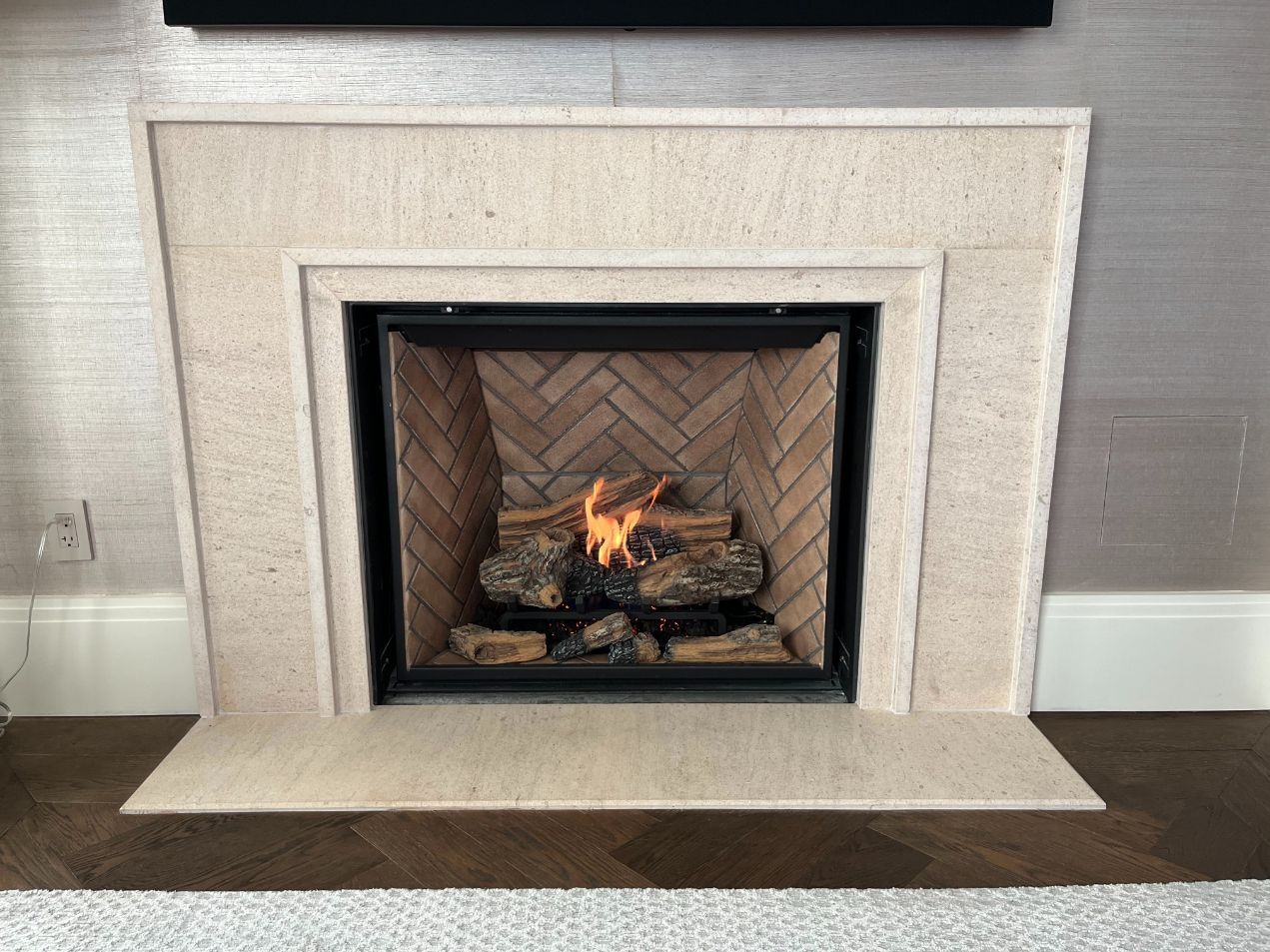
Gas Appliance Installation for Home Renovations
A Homeowner’s Checklist for Gas Appliance Installation
A home renovation is one of the best times to plan for new gas appliances. Walls may already be open, cabinetry may be changing, utility routes may be accessible, and contractors are already working throughout the property.
That also means mistakes made during the planning stage can become expensive once drywall, tile, cabinetry, flooring, and finishes are complete.
Whether you are adding a gas range to a remodeled kitchen, relocating a dryer, installing a new fireplace, or incorporating gas appliances into an addition, proper gas appliance installation starts well before the appliance arrives.
NOVA Gas works with homeowners, remodelers, builders, and other trades throughout Northern Virginia to plan gas systems around the finished renovation—not as an afterthought.
Use this checklist to help keep your project moving smoothly.
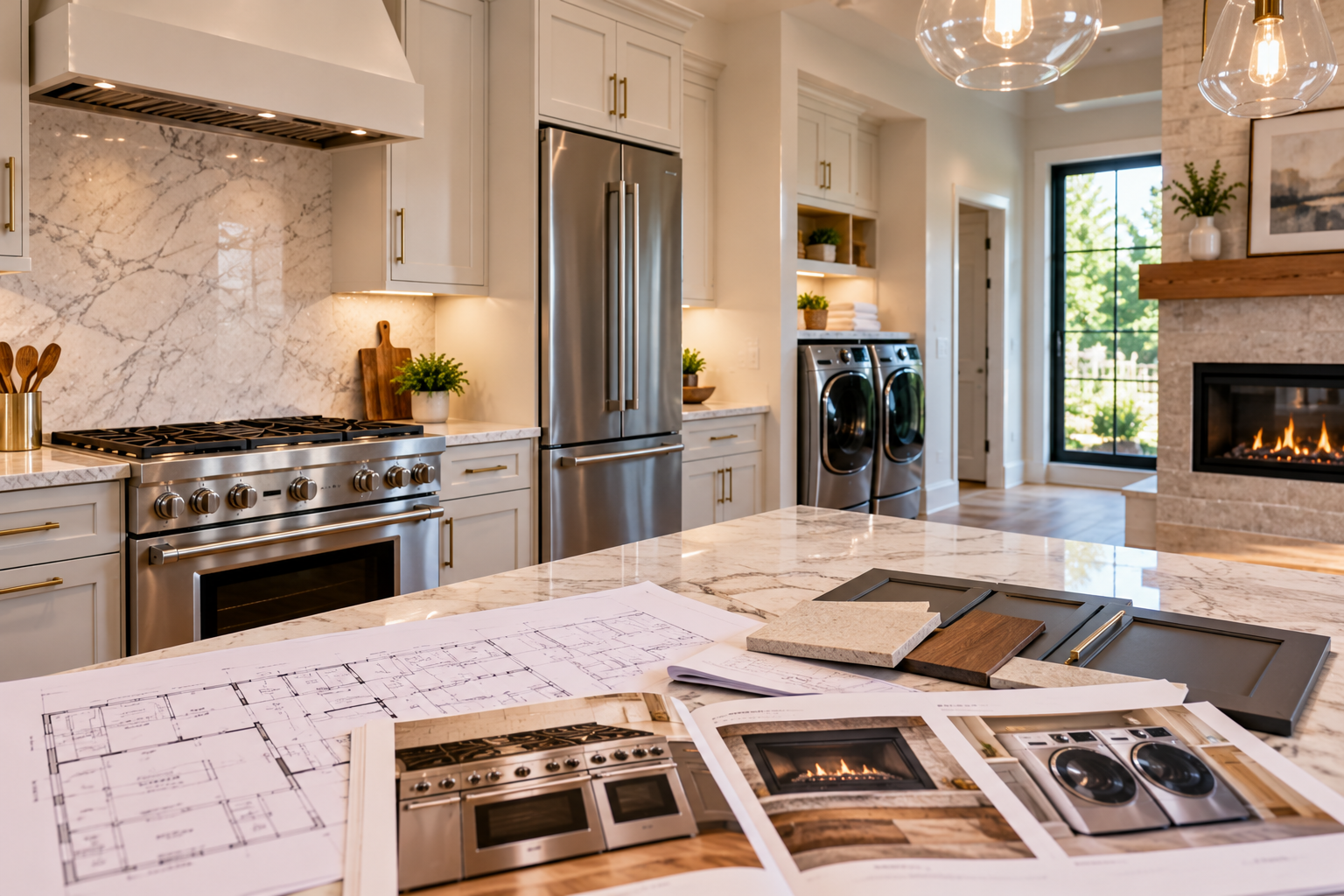
1. Choose Your Gas Appliances Early
One of the most important renovation decisions is also one of the easiest to overlook: choose the actual gas appliances before finalizing the gas system whenever possible.
Different appliances can have very different requirements.
For example, two gas ranges of the same width may have different:
- BTU demands
- Gas connection locations
- Clearance requirements
- Ventilation needs
- Electrical requirements
- Installation specifications
The same principle applies to fireplaces, dryers, outdoor appliances, and other gas equipment.
Knowing the exact make and model allows the gas contractor and remodeler to plan around the appliance instead of making assumptions.
2. Determine Whether a New Gas Line Is Needed
Not every renovation begins with gas service already located where it is needed.
A new natural gas appliance may require:
- Extending an existing gas line
- Relocating gas piping
- Adding a new branch line
- Installing a shutoff valve
- Increasing pipe size
- Reworking an older connection
This is especially common when homeowners switch from electric appliances to gas.
If you are converting an electric range to gas, for example, the project may require a new gas line from another part of the home's fuel system to the kitchen.
The earlier this is identified, the easier it is to incorporate the piping into the renovation.
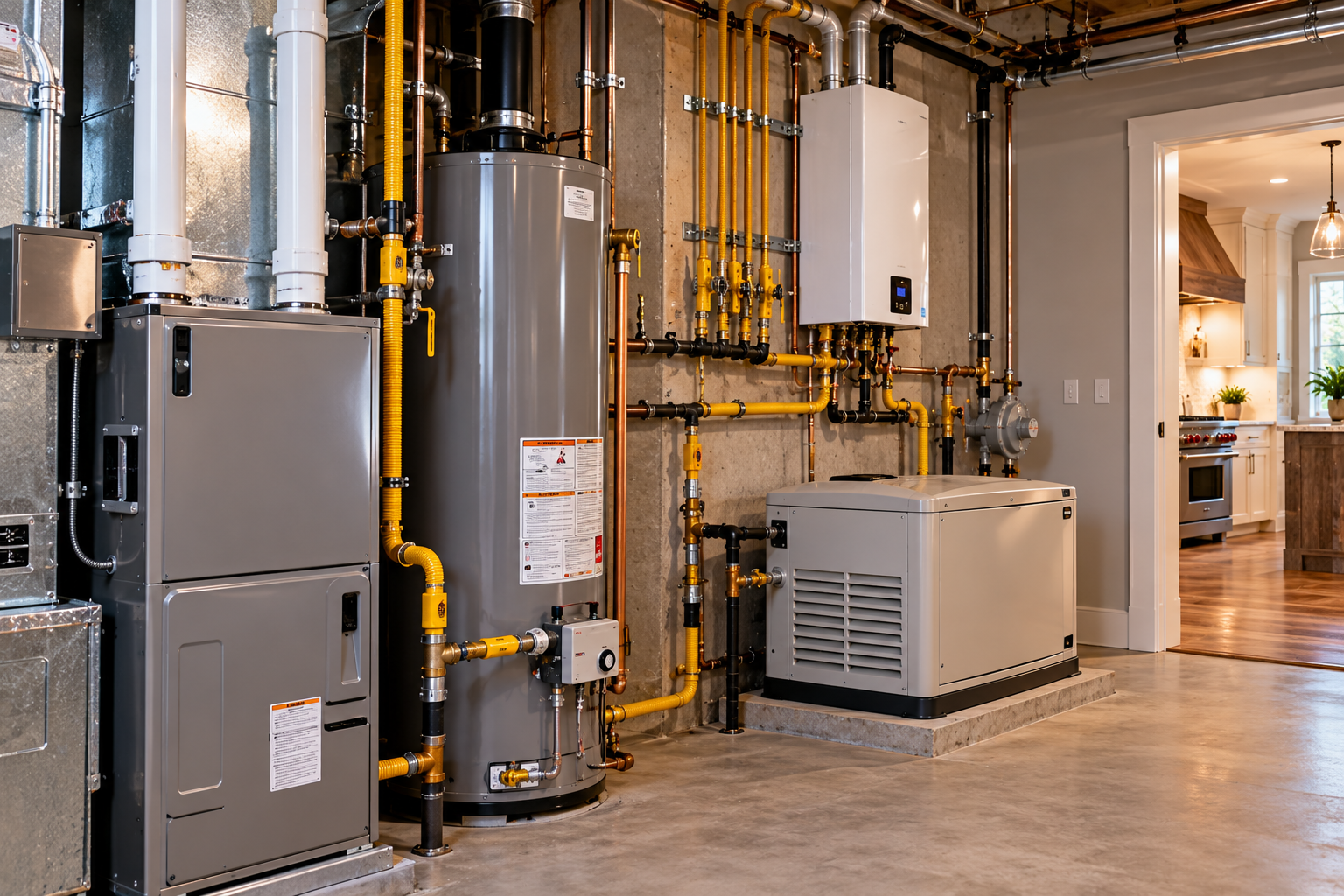
3. Have the Entire Gas System Evaluated
Adding a gas appliance affects more than the connection immediately behind it.
Every appliance adds demand to the home's gas system.
Existing gas equipment may include:
- Furnaces
- Water heaters
- Fireplaces
- Ranges
- Clothes dryers
- Pool heaters
- Outdoor kitchens
- Whole-home generators
- Fire pits
- Gas lanterns
Before another appliance is added, a qualified gas contractor should determine whether the existing system has enough capacity.
That evaluation may involve:
- Appliance BTU requirements
- Total household gas demand
- Pipe diameter
- Pipe length
- Available gas pressure
- Existing system configuration
A nearby gas pipe is not automatically the right pipe to supply a new appliance.
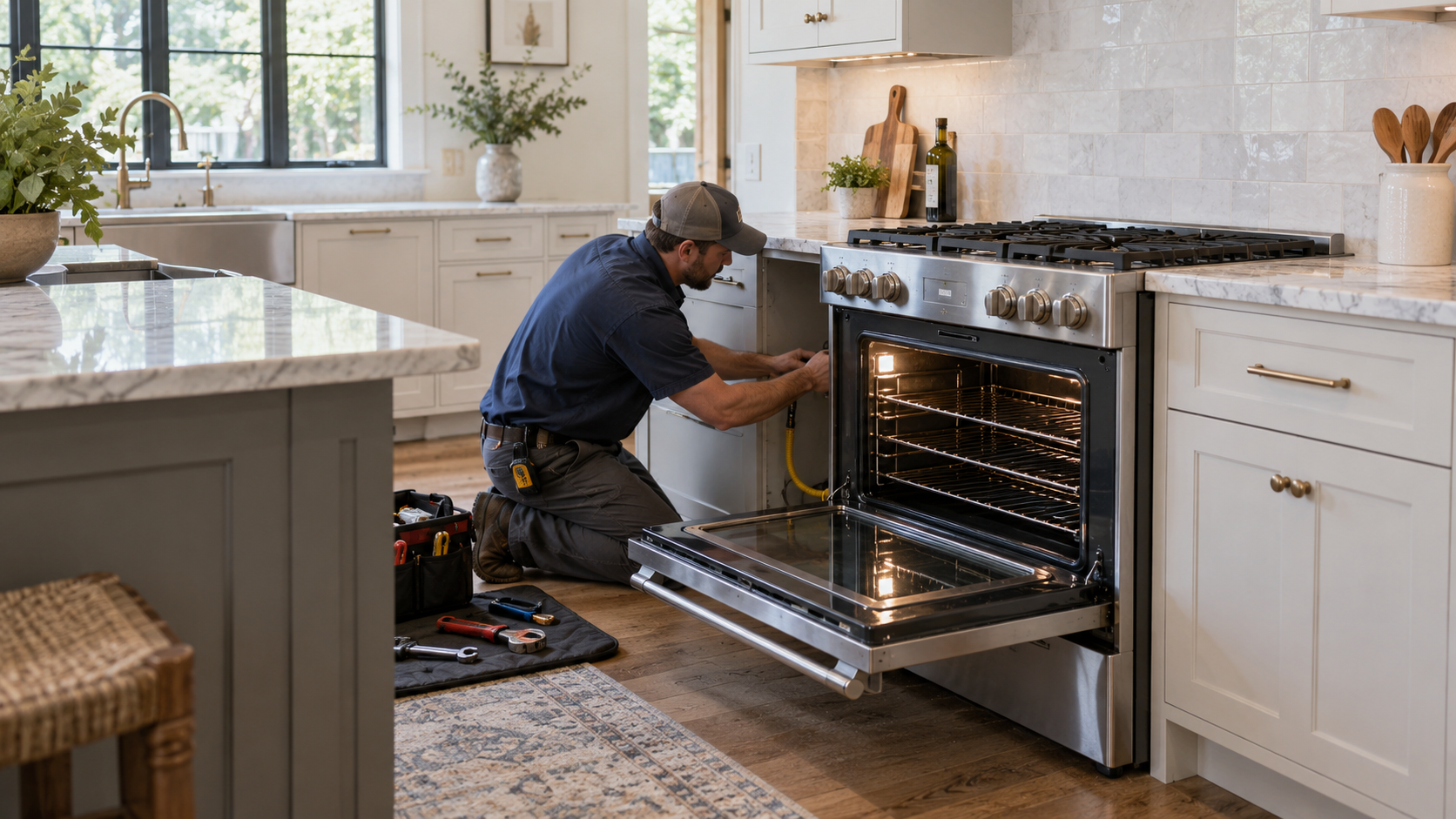
4. Plan Gas Range Hookups Before Cabinets Are Finished
Kitchen renovations are one of the most common situations where early gas planning makes a major difference.
If you are installing a gas range or cooktop, the appliance specifications should be reviewed before cabinetry and countertops are finalized.
The project may need to account for:
- Appliance width and depth
- Gas connection location
- Accessible shutoff valve
- Electrical outlet placement
- Range hood or ventilation
- Countertop openings
- Cabinet clearances
Professional-style gas ranges can create additional considerations because they may have greater fuel demand than a standard residential range.
Planning these details before cabinets are installed is much easier than modifying a finished kitchen later.
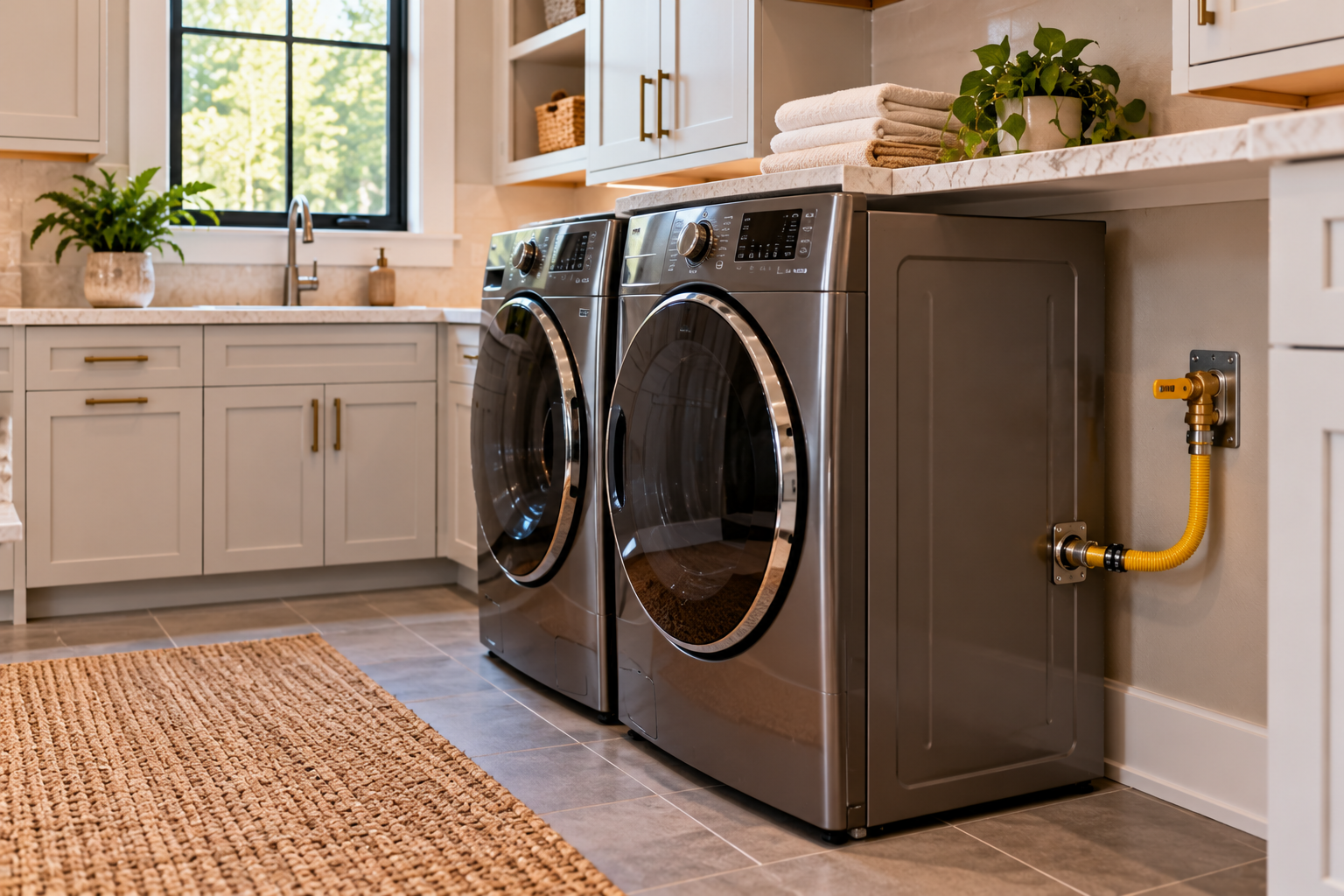
5. Coordinate a Gas Dryer Hookup With the Laundry Layout
Laundry-room renovations frequently involve moving appliances or changing the layout of the room.
If a gas dryer is being installed or relocated, consider the entire appliance location before rough-in work is completed.
Planning may include:
- Gas-line location
- Shutoff accessibility
- Dryer vent routing
- Electrical connection
- Appliance depth
- Door clearance
- Cabinetry
- Pedestals or built-in storage
A technically correct gas connection can still create problems if it prevents the dryer from sitting properly against the wall or interferes with surrounding cabinetry.
The goal should be an installation that works mechanically and fits the finished room.
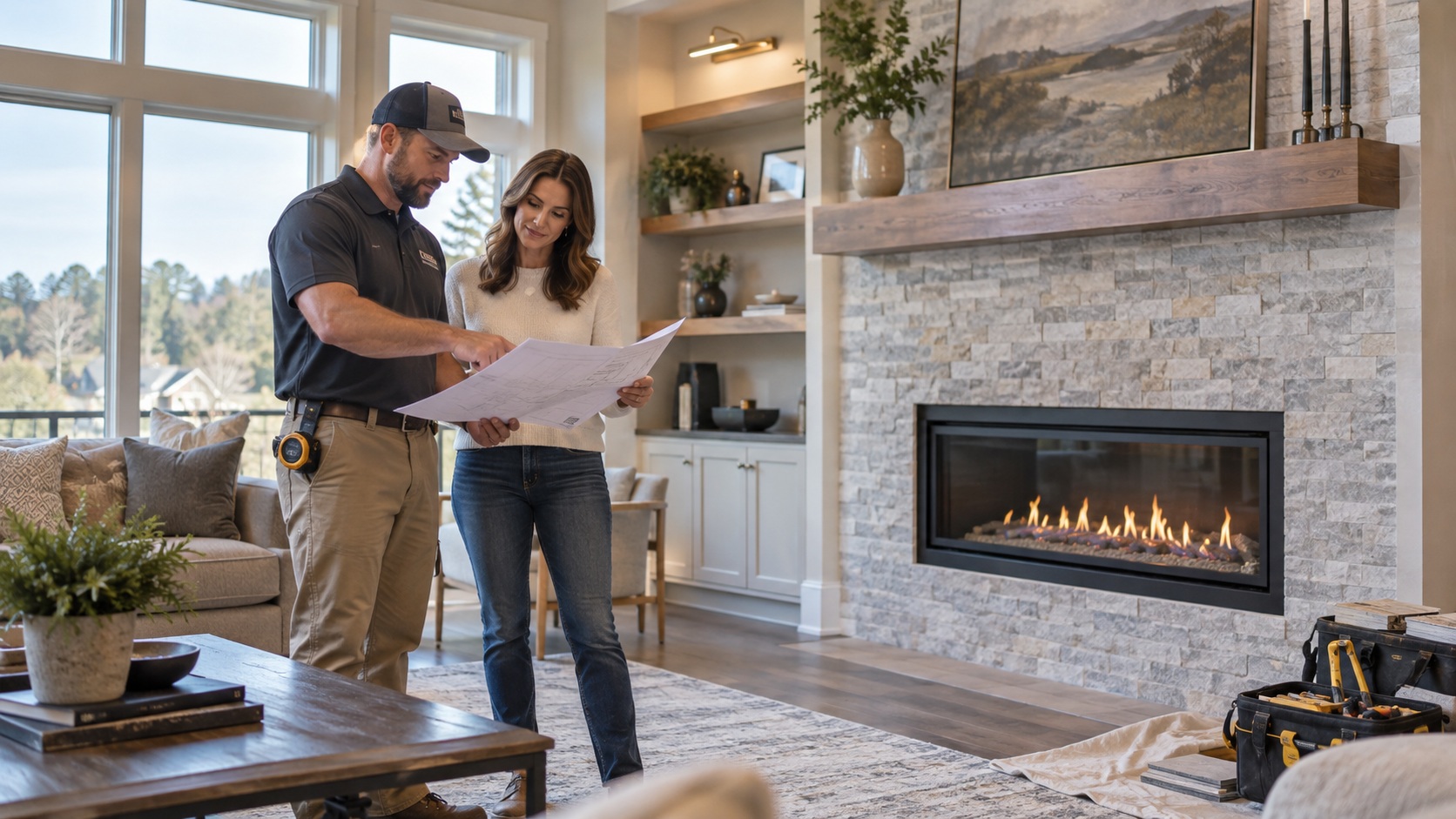
6. Think About Gas Fireplace Installation Early
Fireplaces are another renovation feature where the gas system and construction work need to be coordinated.
A new gas fireplace may involve:
- Gas piping
- Framing
- Venting
- Fireplace placement
- Mantel design
- Tile or stone
- Electrical controls
- Finish carpentry
Changing the fireplace location after framing and finish work has begun can significantly complicate a project.
Planning the fireplace, fuel line, and surrounding construction together helps keep the project moving in the right order.
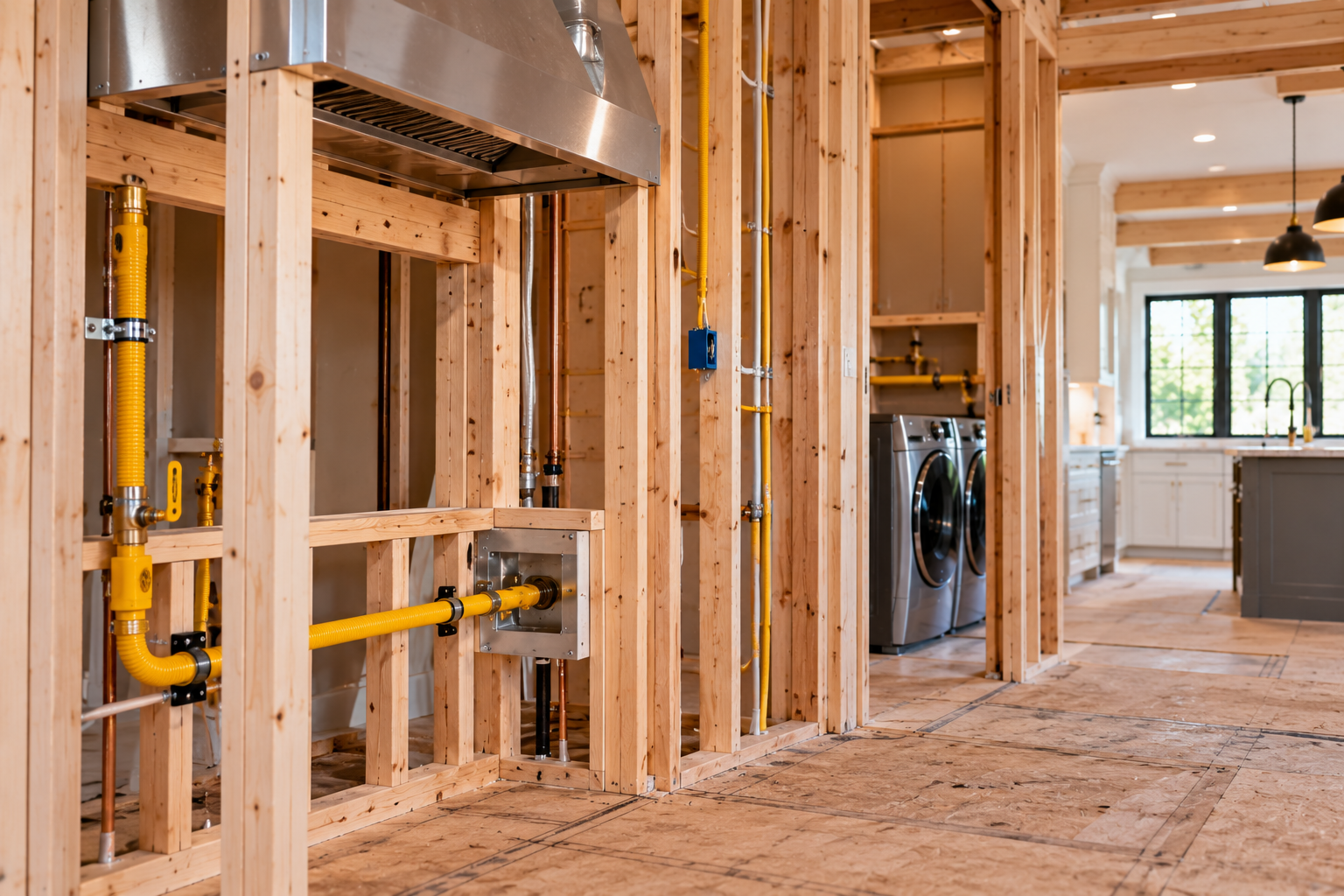
7. Coordinate Gas Work With Framing and Carpentry
Gas piping often passes through or around the same spaces used by framing, cabinetry, and other building systems.
That makes coordination important.
During a renovation, the gas contractor may need access to:
- Wall cavities
- Floor systems
- Basements
- Crawlspaces
- Utility rooms
- Ceiling spaces
Once those areas are closed, changing the gas-line route can become much more difficult.
NOVA Gas owner Kime Brittain brings experience not only as a Master Gasfitter but also with carpentry, framing, tile, and related construction work.
That broader construction knowledge can be especially useful during renovations because gas placement can be considered alongside the finished structure rather than independently from it.
8. Plan Around Other Trades
A major renovation may involve:
- General contractors
- Electricians
- Plumbers
- HVAC technicians
- Cabinet installers
- Tile contractors
- Carpenters
- Appliance installers
- Gas contractors
Many of these trades may need access to the same walls, floors, or utility spaces.
Poor sequencing can lead to unnecessary delays.
For example, a finished cabinet installation may cover the planned gas-line route. Electrical equipment may be placed where a valve needs to remain accessible. Framing may close a path that was expected to carry gas piping.
Early coordination helps prevent these conflicts.
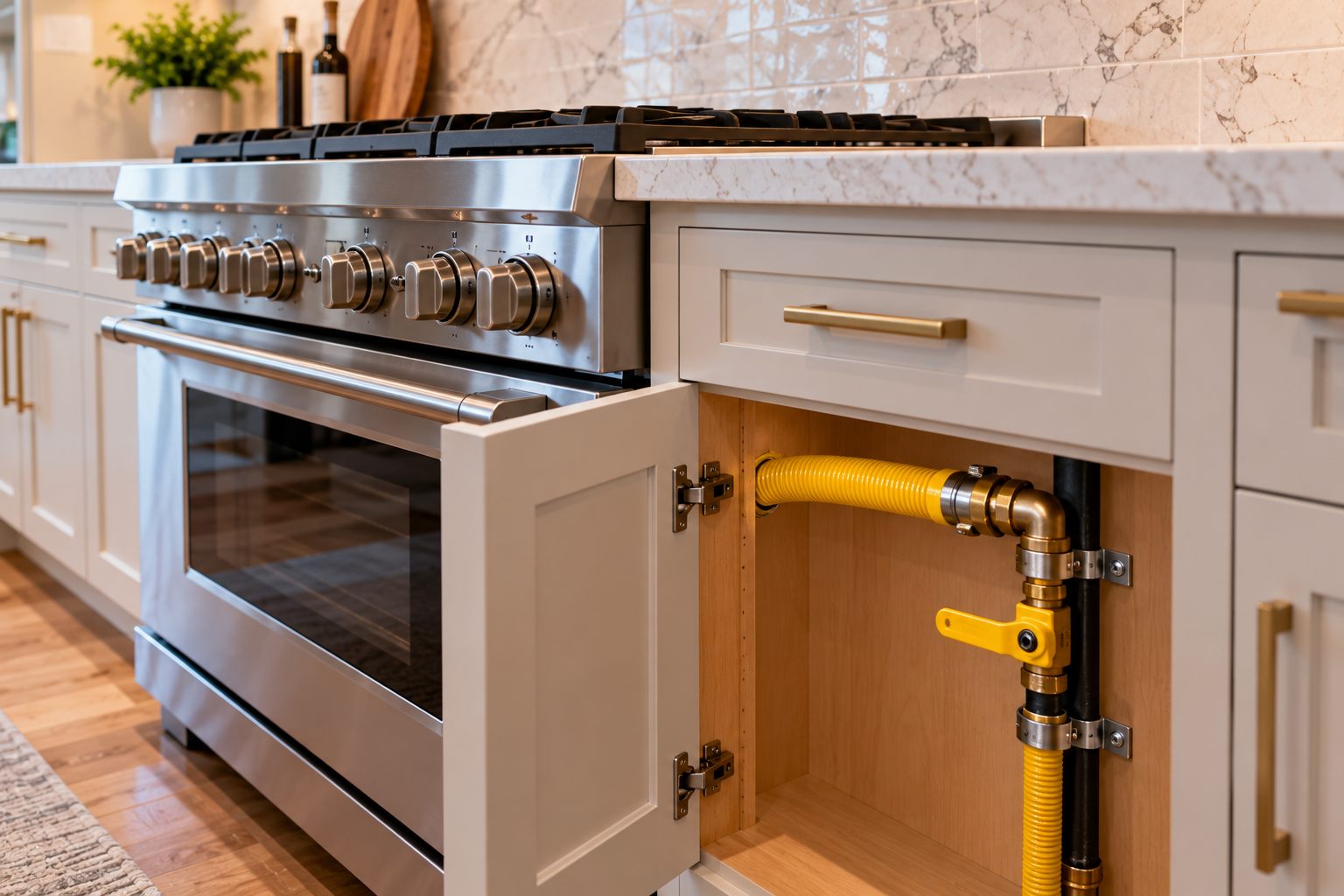
9. Keep Gas Shutoffs Accessible
Gas appliances require appropriate shutoff provisions.
During a renovation, those components should not be buried behind permanent construction or placed somewhere that becomes difficult to access after cabinets, appliances, or finished surfaces are installed.
Accessibility matters for:
- Future maintenance
- Appliance replacement
- Service
- Emergency shutoff
- Remodeling later
The final appearance of the room matters, but serviceability should also be considered during planning.
10. Do Not Forget Ventilation
Gas appliances have different ventilation requirements depending on the type of appliance and manufacturer specifications.
Kitchen projects may require proper range ventilation.
Gas dryers require exhaust venting.
Fireplaces may use dedicated venting systems.
A gas contractor should work with the appropriate trades to make sure appliance placement works with both the fuel supply and ventilation requirements.
These systems should be considered together rather than independently.
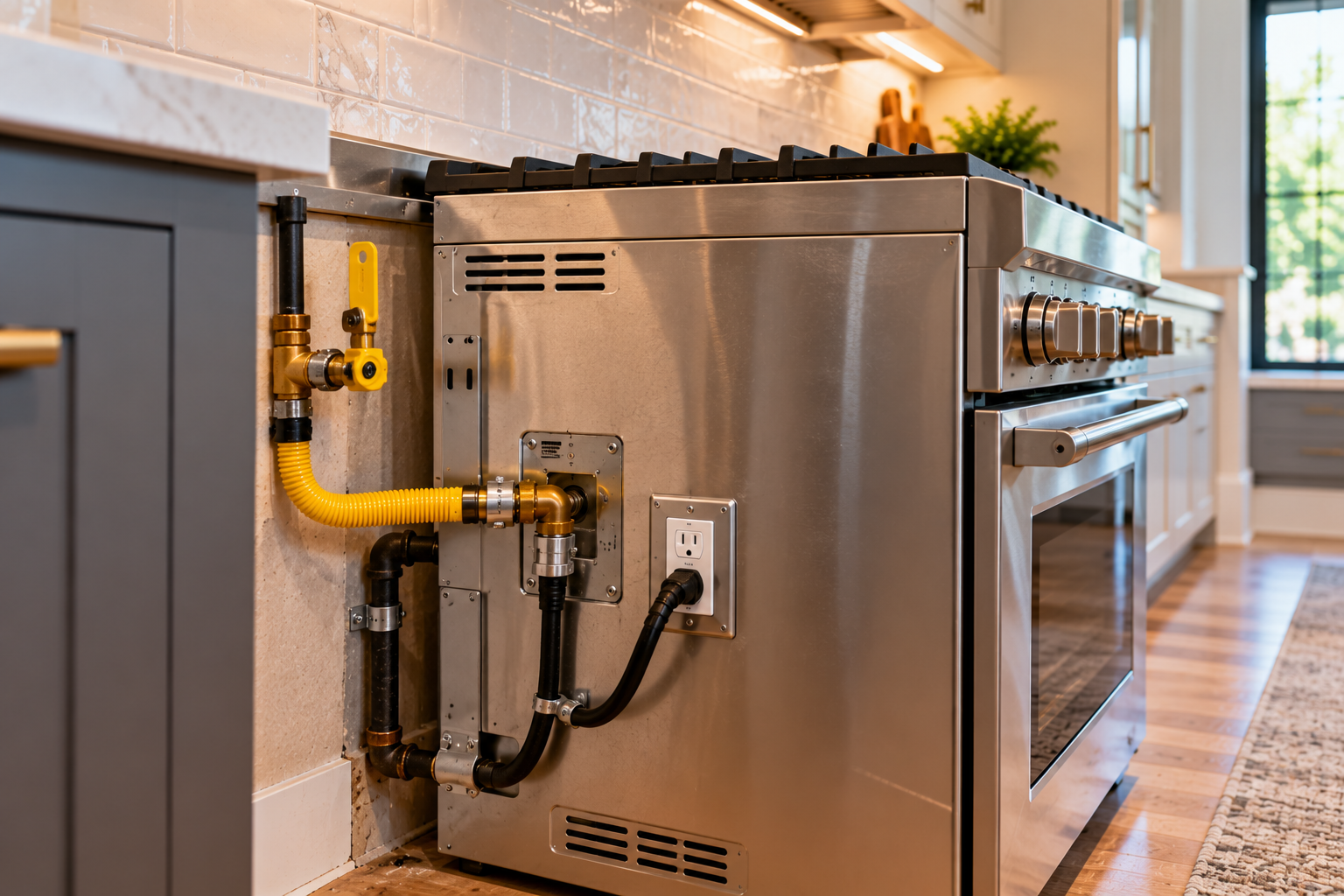
11. Plan for Electrical Requirements Too
Many people think of a gas appliance as requiring only gas.
Modern gas appliances often use electricity for components such as:
- Electronic ignition
- Controls
- Displays
- Fans
- Blowers
- Lighting
- Smart-home features
A gas range, fireplace, dryer, or other appliance may therefore require both a gas connection and electrical service.
This is another reason to select appliances early and coordinate between trades before walls and cabinetry are finished.
12. Consider Future Gas Appliances
A major renovation can be a good opportunity to think beyond the appliance being installed today.
You may eventually want to add:
- Outdoor kitchen
- Gas grill
- Fireplace
- Fire pit
- Pool heater
- Whole-home generator
- Additional cooking equipment
Planning future gas demand while the home is already under construction may make later upgrades easier.
That does not necessarily mean installing every future gas line immediately.
It means making informed decisions about the size and layout of the gas system so today's renovation does not unnecessarily limit tomorrow's options.
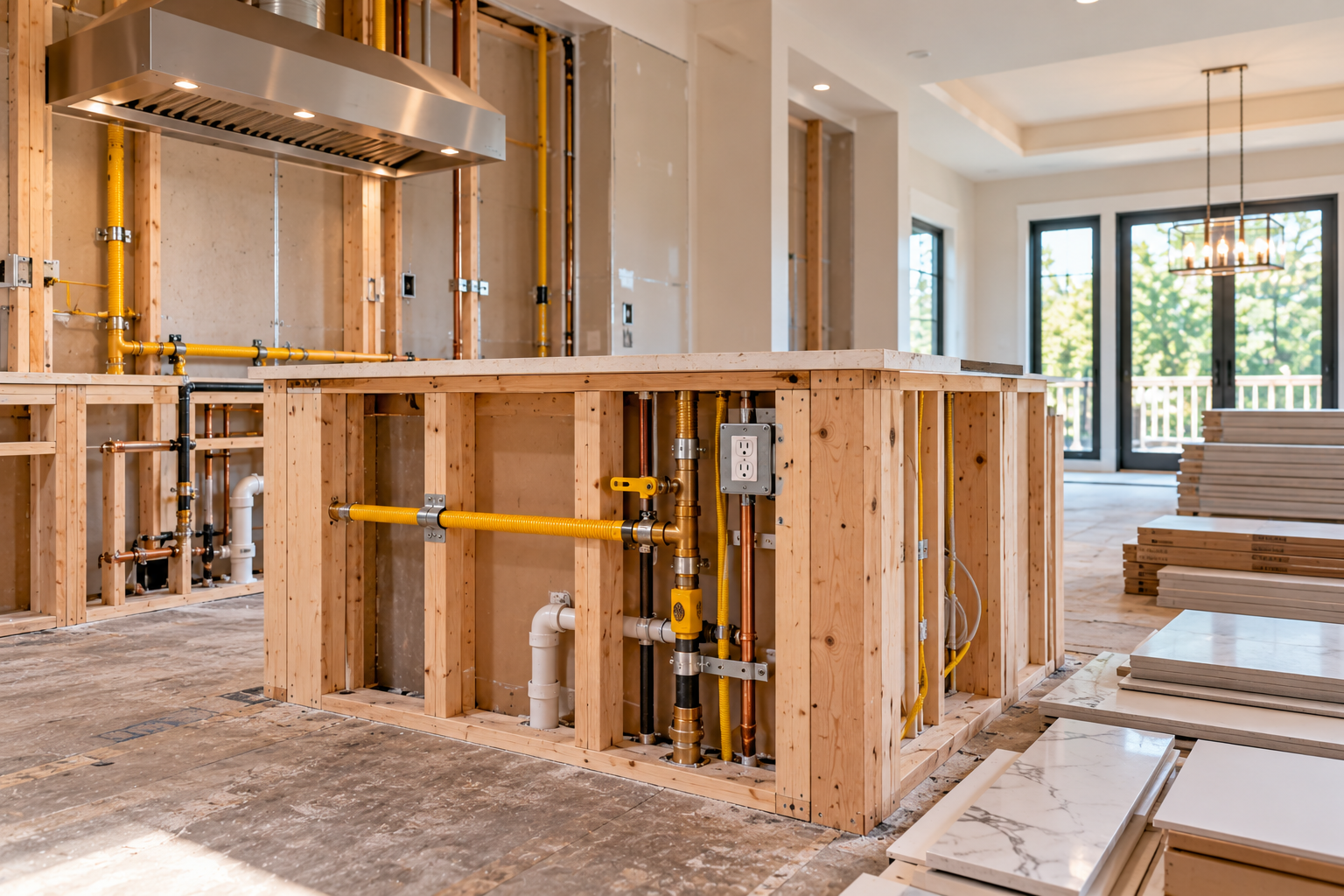
13. Schedule Gas Work Before Finish Materials
Gas piping is much easier to install while the structure is accessible.
Whenever possible, rough gas work should be planned before:
- Drywall
- Cabinetry
- Tile
- Built-ins
- Finished flooring
- Decorative wall treatments
Waiting until the room looks finished to begin thinking about gas appliance installation often results in additional demolition and repair.
Good renovation planning minimizes the amount of finished work that needs to be disturbed.
14. Make Sure the Gas System Is Tested
Gas piping should be professionally tested as part of the installation process.
The goal is not simply to connect the appliance and see whether it turns on.
A qualified gas professional should verify that the gas piping and connections are installed properly before the system is placed into service.
Testing is an essential part of professional gas appliance installation.
15. Plan Appliance Delivery Around Installation
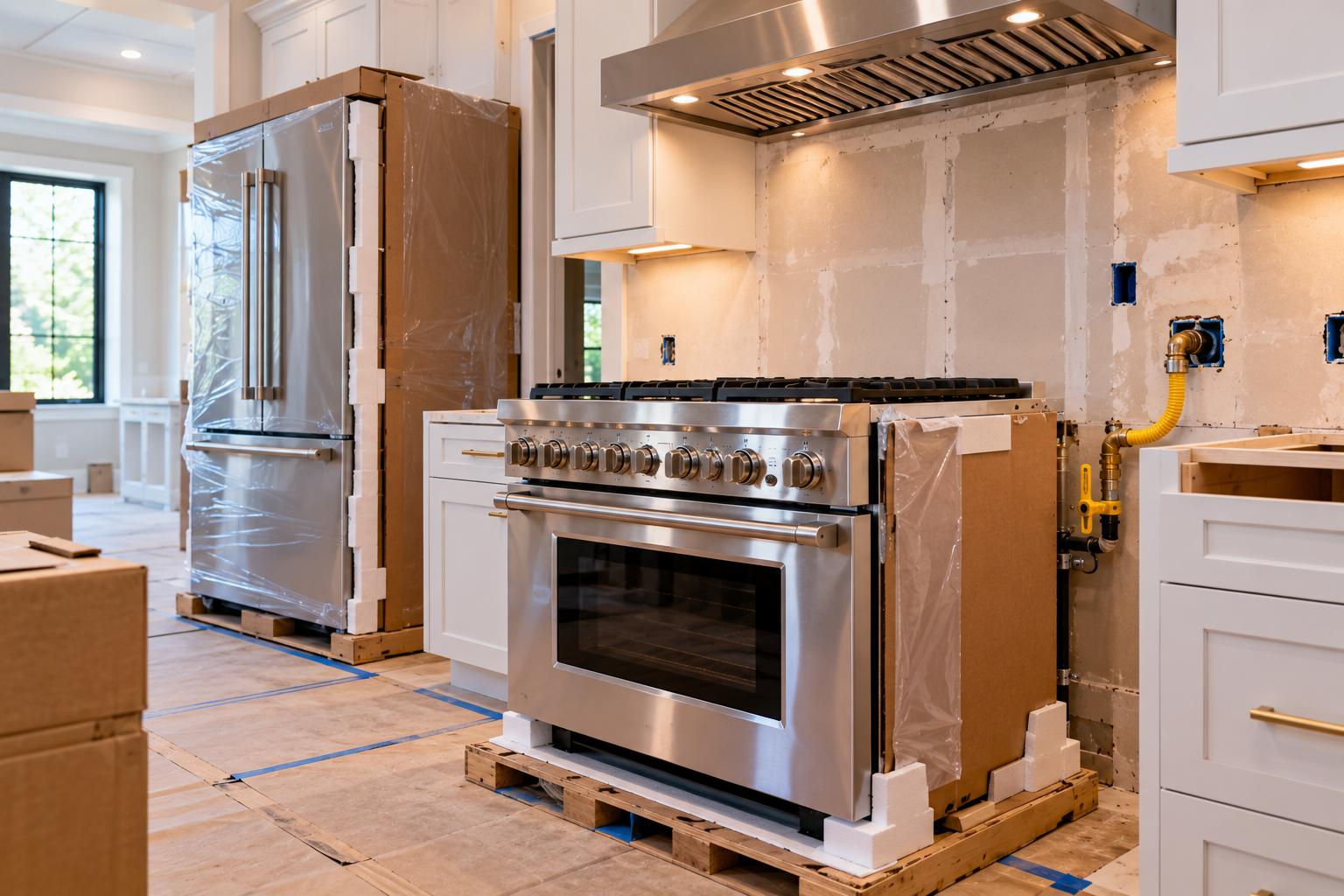
Another common renovation mistake is scheduling appliance delivery before the room is actually ready.
Before a gas appliance arrives, confirm that:
- The gas line is installed
- The connection is properly located
- The appliance opening is correct
- Cabinetry is complete where necessary
- Required electrical service is available
- Ventilation is ready
- Flooring is complete
- The route into the home is accessible
Large ranges and specialty appliances can be difficult to move once delivered.
A little scheduling coordination can prevent an expensive appliance from sitting in the garage while contractors finish the room.
Why Gas Appliance Installation Should Be Part of the Remodel Plan
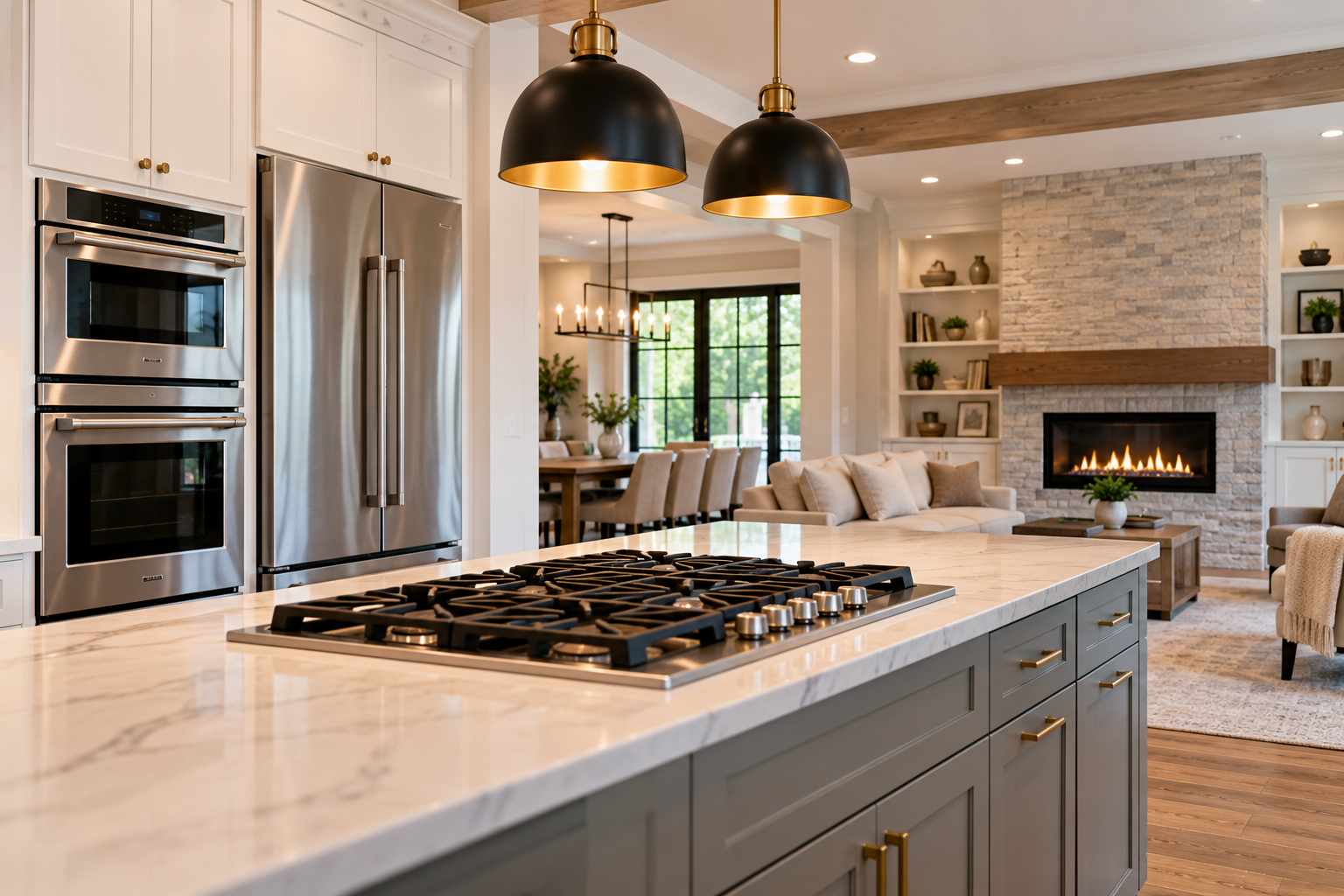
Gas work should not be treated as something to figure out after the renovation is mostly finished.
Instead, gas appliance installation should be part of the mechanical planning from the beginning.
That allows the gas contractor to coordinate with the remodeler and other trades while the home is still accessible.
It can also help homeowners avoid:
- Opening finished walls
- Moving cabinets
- Reworking appliance openings
- Relocating valves
- Changing completed tile
- Delaying appliance installation
- Discovering inadequate gas capacity late in the project
The earlier the gas system is considered, the easier it is to integrate it cleanly into the finished home.
Why a Turnkey Gas Contractor Helps During Renovations
Renovations rarely proceed exactly as planned.
Walls may reveal unexpected framing. Appliance openings may need adjustment. Tile or finish work may need modification. Existing piping may be different from what was expected.
A contractor who understands both gas systems and construction can often solve these issues more efficiently.
At NOVA Gas, Kime's experience includes Master Gasfitter work along with carpentry, framing, tile, and other construction skills.
That can allow NOVA Gas to handle more of the complete installation rather than completing the gas connection and leaving the homeowner to find another contractor for surrounding work.
For remodelers and homeowners, that can mean:
- Fewer contractors to coordinate
- Better communication
- Faster problem solving
- Fewer scheduling gaps
- One professional considering both gas and construction requirements
Some projects may still require other appropriately licensed trades, but a more turnkey approach can significantly simplify a complex renovation.
Gas Appliance Installation in Northern Virginia
Whether you are renovating a kitchen, redesigning a laundry room, adding a fireplace, finishing a basement, or building an addition, your gas system should be planned alongside the rest of the project.
NOVA Gas provides gas appliance installation and gas-line services throughout Northern Virginia for projects including:
- Gas ranges
- Cooktops
- Clothes dryers
- Fireplaces
- Pool heaters
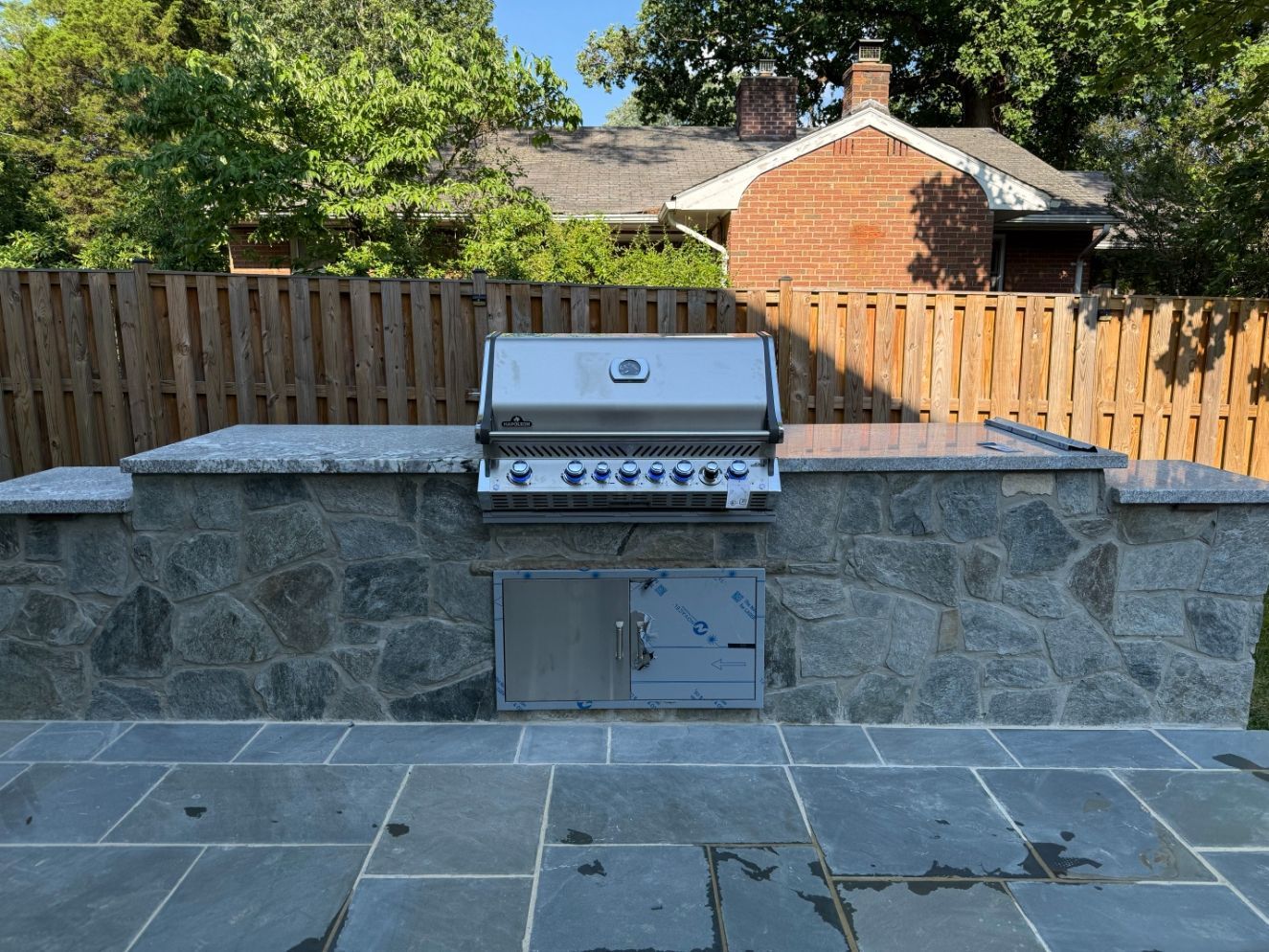
- Outdoor kitchens
- Built-in grills
- Whole-home generators
- Fire features
- Commercial appliances
Our team works with homeowners, builders, remodelers, and other trades to help integrate gas appliances into the finished project correctly from the start.
If you are planning a renovation that includes gas appliances, contact NOVA Gas before the walls, cabinets, and finishes go in. Early planning can make the entire installation easier.
Frequently Asked Questions
Q: When should gas lines be installed during a home renovation?
A: Gas piping should generally be planned early and installed while walls, floors, basements, crawlspaces, or other utility routes are still accessible. The exact sequence depends on the project and other trades involved.
Q: Can I add a gas range during a kitchen remodel?
A: Yes. If there is not already gas service at the range location, a qualified gas contractor can determine whether a new line can be installed and whether the existing gas system has adequate capacity.
Q: What is involved in a gas range hookup?
A: A professional hookup may include evaluating the gas supply, verifying the appliance requirements, installing or inspecting the shutoff and connection, connecting the range, and testing the system.
Q: Can a gas dryer be moved during a laundry-room renovation?
A: Yes. Relocating a gas dryer may require moving or extending the gas line as well as coordinating the dryer vent, electrical connection, cabinetry, and appliance clearances.
Q: Should I choose my appliances before the gas lines are installed?
A: Whenever possible, yes. The appliance specifications provide important information about fuel demand, connection location, dimensions, clearances, and other installation requirements.
Q: Can one contractor handle both gas installation and surrounding renovation work?
A: Sometimes. NOVA Gas can often handle gas work along with related framing, carpentry, tile, and construction tasks, depending on the project. Other specialized trades may still be required for certain portions of the renovation.