5 Common Signs Your Home Needs a Gas Line Upgrade
If you’re tired of dealing with outdated appliances and finally ready to upgrade your home, you’re not alone. You may be surprised to learn that the problem often goes deeper than the appliances themselves. The signs that your home needs a gas line upgrade often appear at the same time older appliances start failing.
Many homeowners begin renovations without realizing what’s really happening behind the scenes. Identifying the common signs that your home needs a gas line upgrade can help you avoid unexpected delays, added costs, and safety concerns. More importantly, you ensure the new
gas-powered appliances perform efficiently and reliably from day one.
Five Common Signs Your Home Needs a Gas Line Upgrade
1. Inconsistent appliance performance
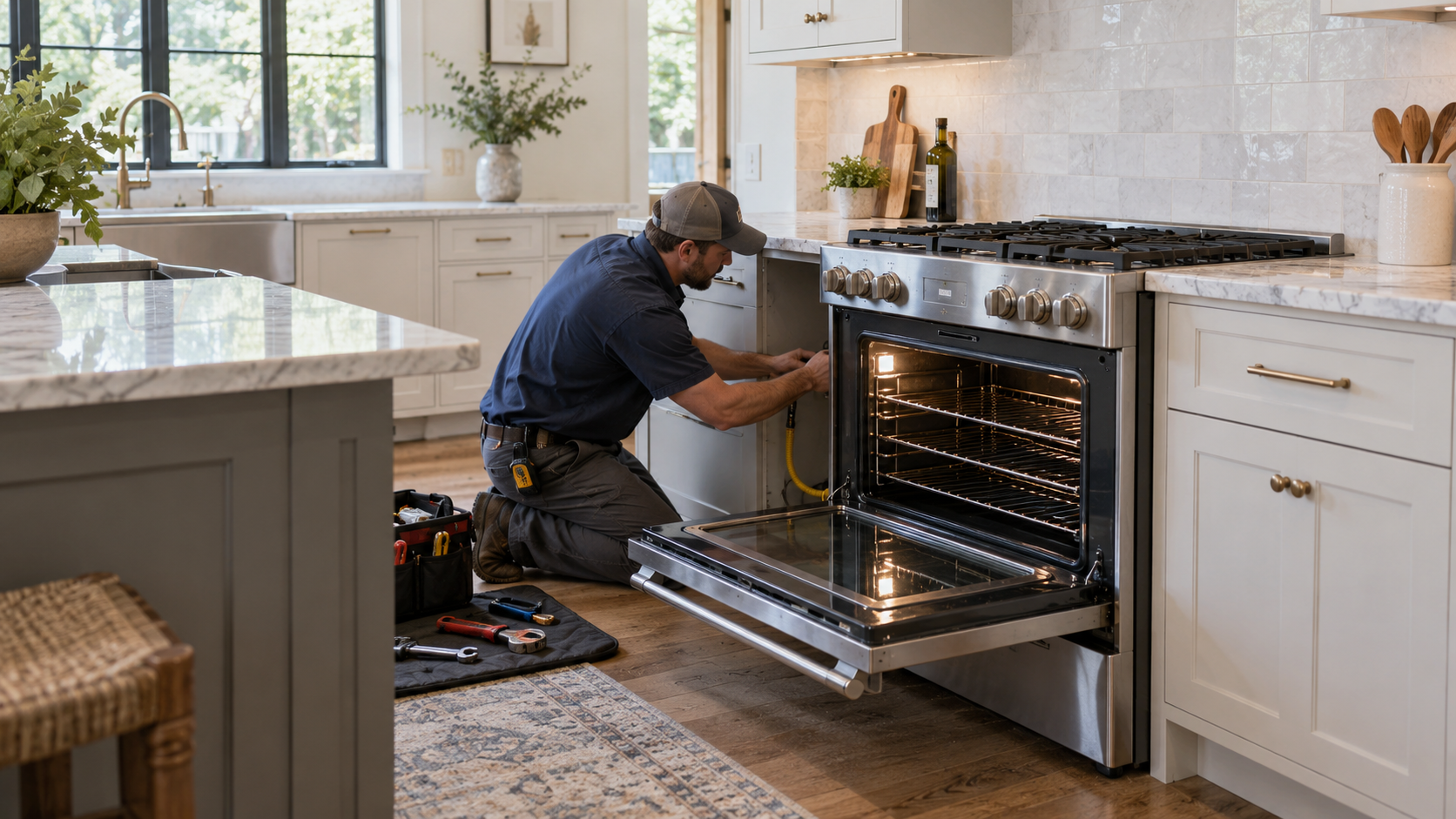
One of the earliest indicators of an inadequate gas line is when your appliance shows inconsistent performance. If your gas stove produces weak flames, your gas line may not be delivering enough fuel. Other times the water heater struggles to maintain hot water, or sometimes appliances operate inefficiently when used together. This is especially common in homes where multiple gas appliances were added over time without upgrading the main gas supply.
2. Frequent pilot light outages
Another warning sign is when you experience pilot light outages more frequently. While occasional issues can occur, repeated pilot light failures often point to gas pressure problems. Older or undersized gas lines may struggle to maintain consistent pressure, leading to unreliable operation and potential safety concerns.
3. Unusual smells or sounds near gas line
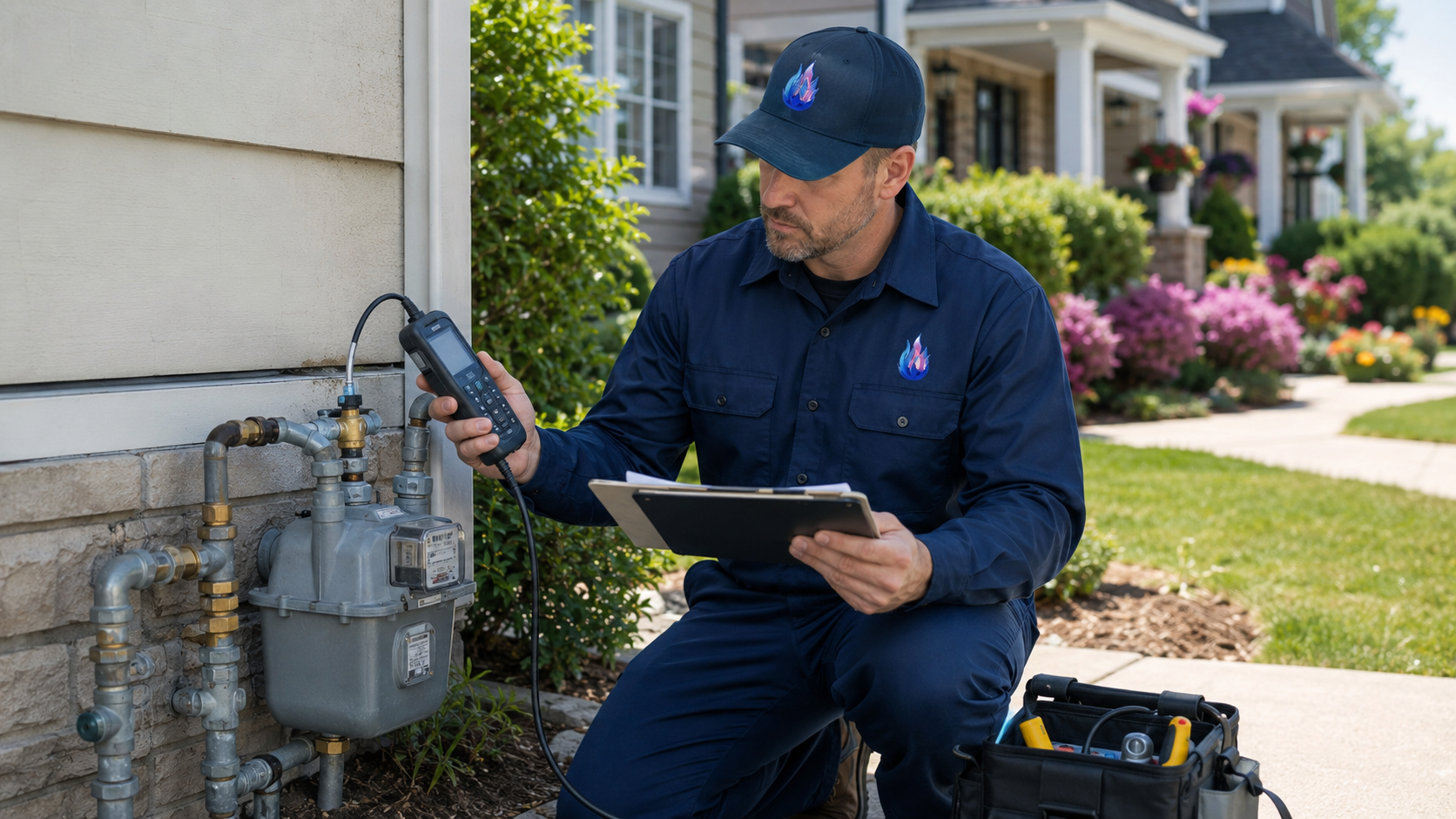
You should never ignore unusual smells or sounds, especially near the gas line. A sulfur or “rotten egg” odor, hissing noises near gas lines, or unexplained changes in appliance behavior may indicate underlying gas line issues. Even if a leak is not present, these symptoms often signal aging or improperly sized piping that should be evaluated by a professional.
4. Visible pipe deterioration
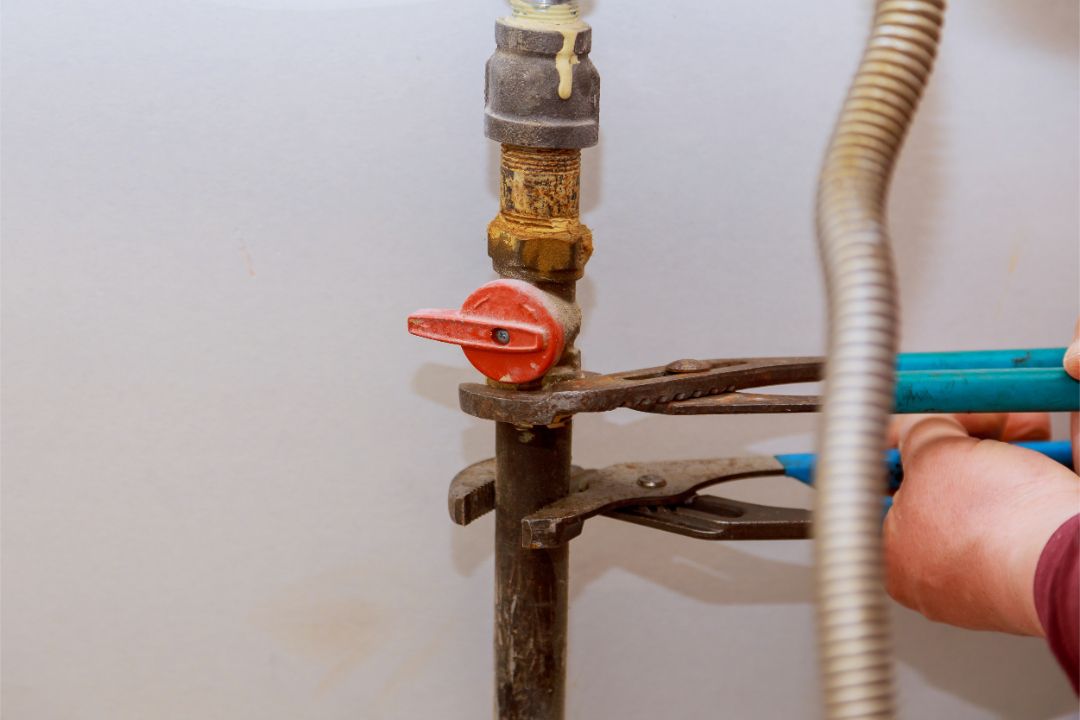
In older Falls Church homes, visible pipe deterioration is another red flag. Corrosion, outdated materials, or poorly supported gas lines can compromise performance and safety. Over time, minor issues can escalate into serious hazards if not addressed through proper upgrades.
5. Installing high-demand appliances
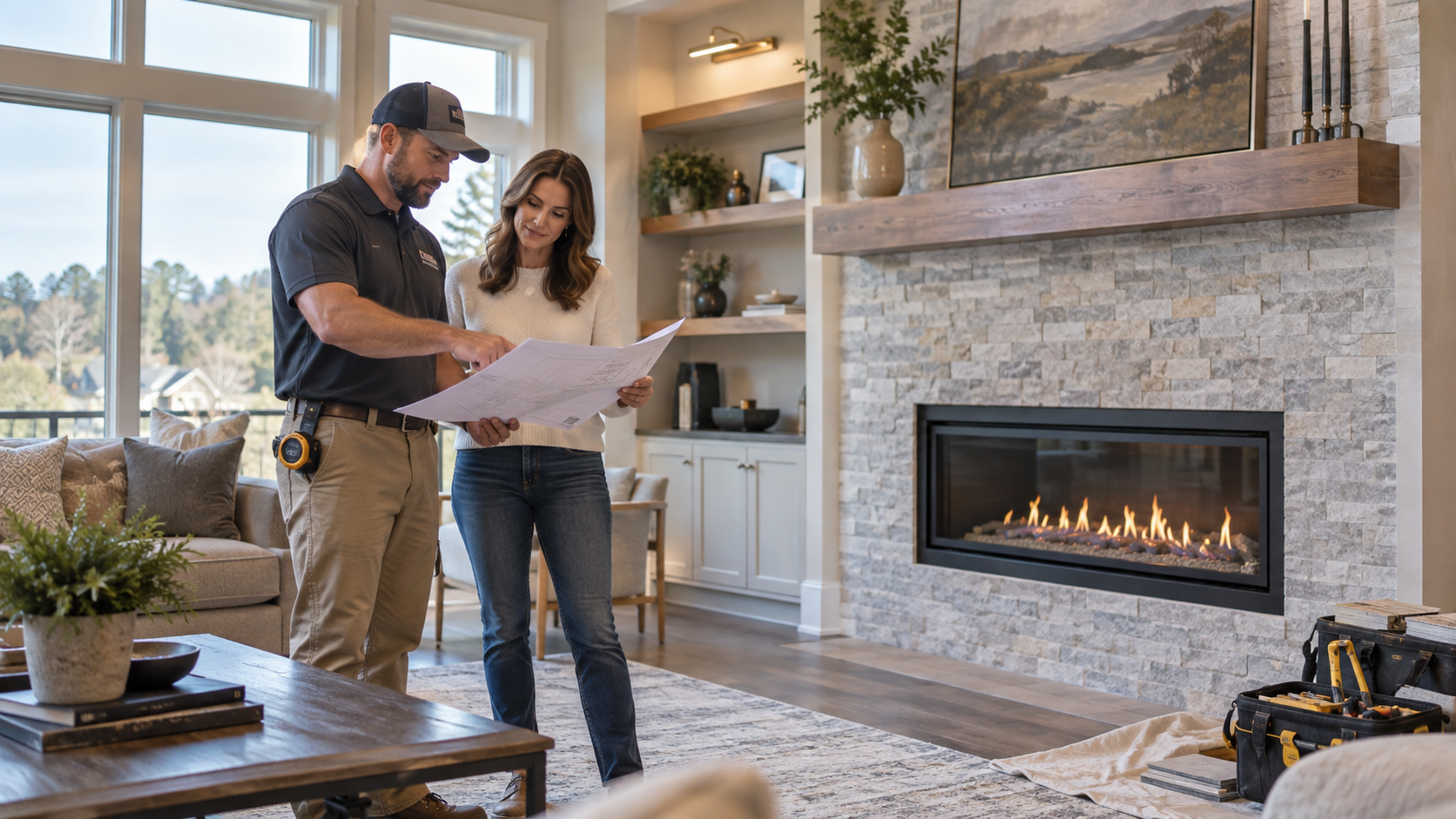
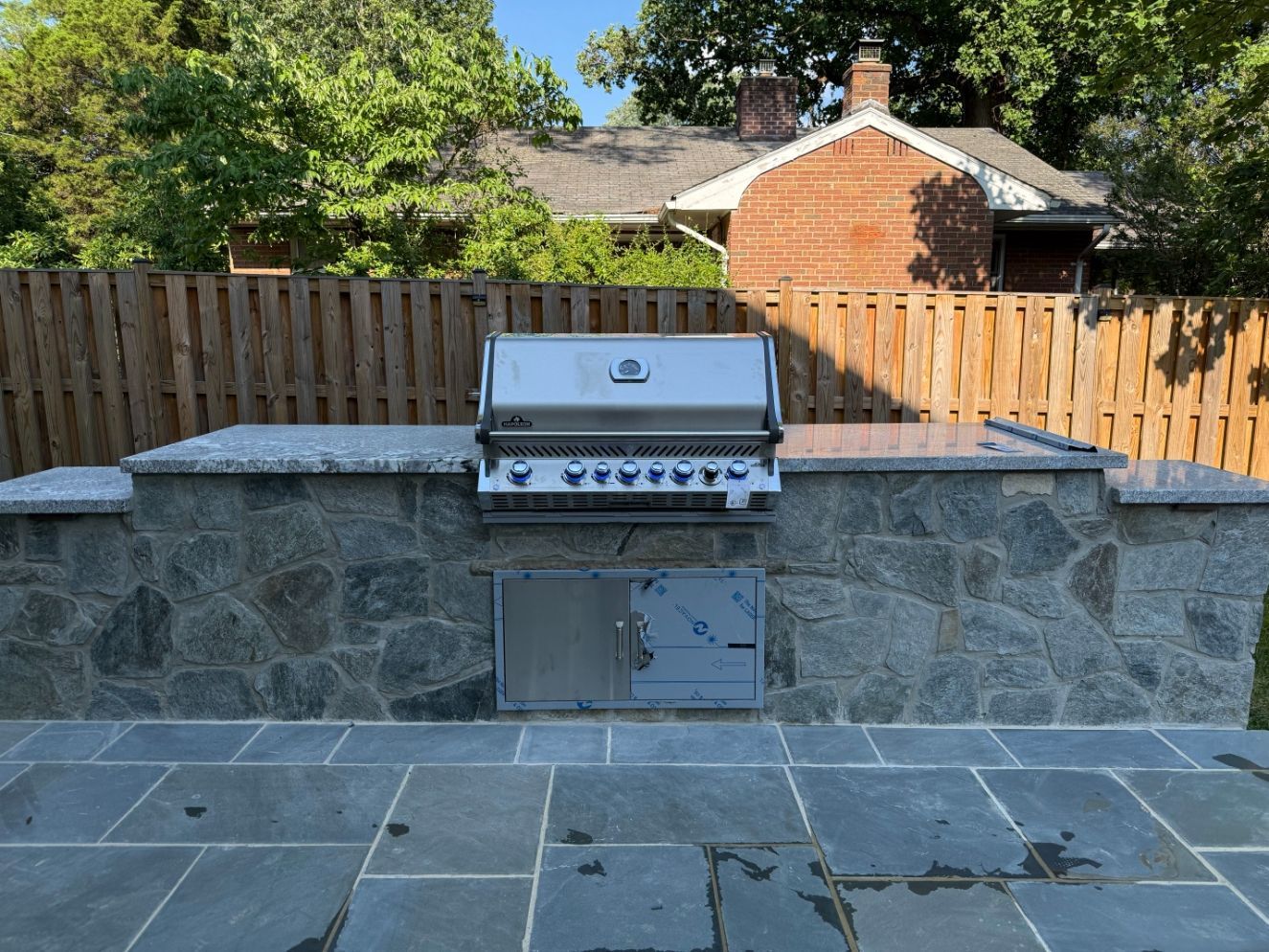
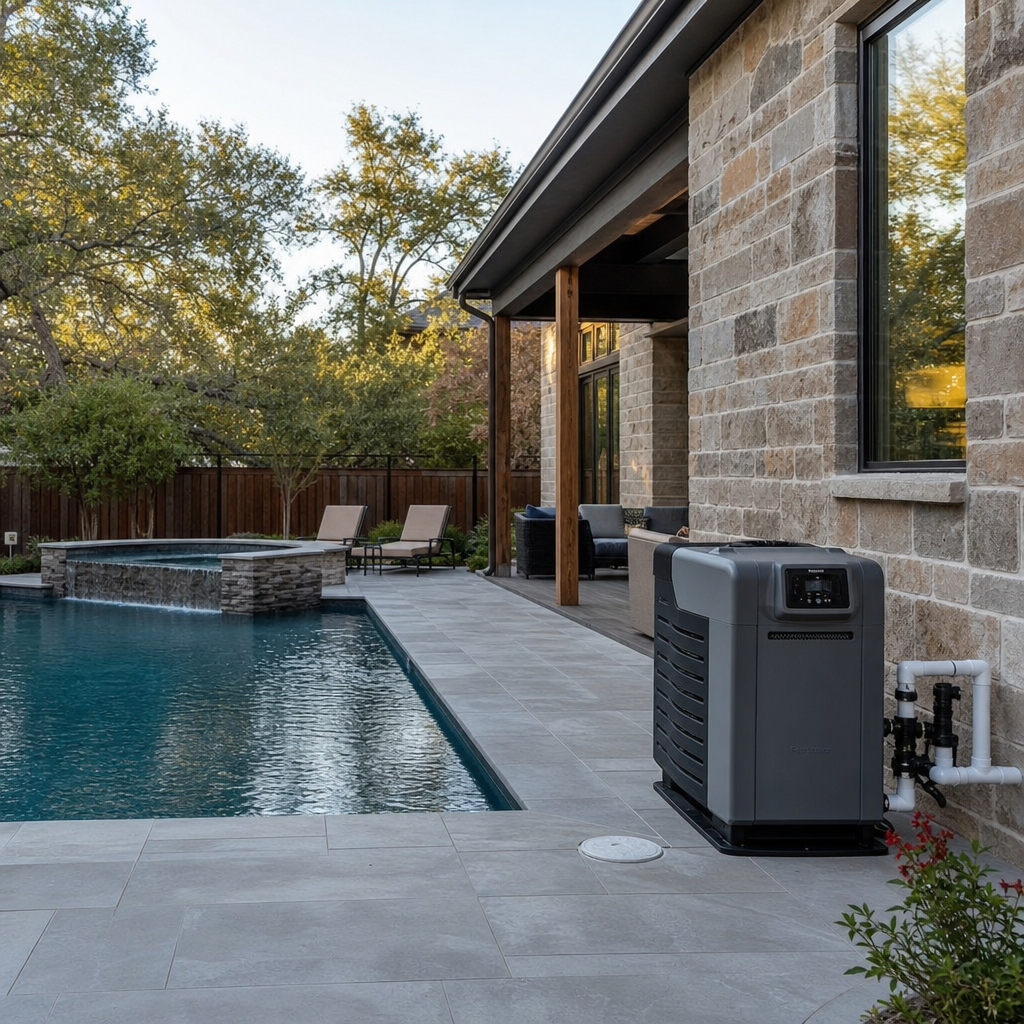
Home renovations and appliance upgrades can also reveal the need for a gas line upgrade. Installing tankless water heaters, gas dryers, fireplaces, or outdoor kitchens increases gas consumption. If your home’s original gas system was not designed for these additions, an upgrade may be required to meet current capacity and code standards.
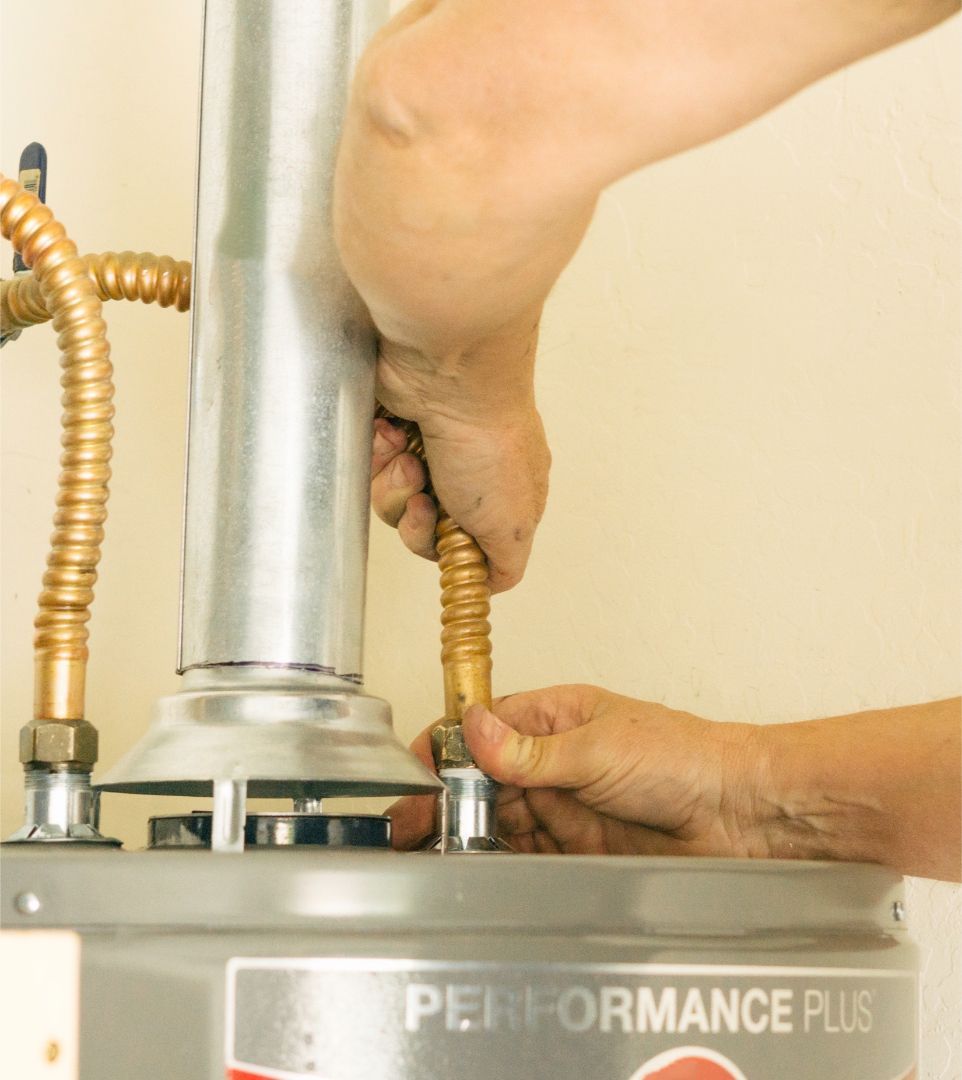
Why Gas Line Upgrades Require Professional Expertise
Gas line upgrades involve more than replacing old pipes. Proper sizing, pressure calculations, material selection, and code compliance all play a critical role in ensuring safety. Attempting to modify or extend gas lines without professional expertise can lead to inefficient operation, failed inspections, or dangerous conditions.
Professional gas line specialists understand how to evaluate your entire system, not just individual appliances. This ensures your upgraded gas line supports both current needs and future expansions safely.
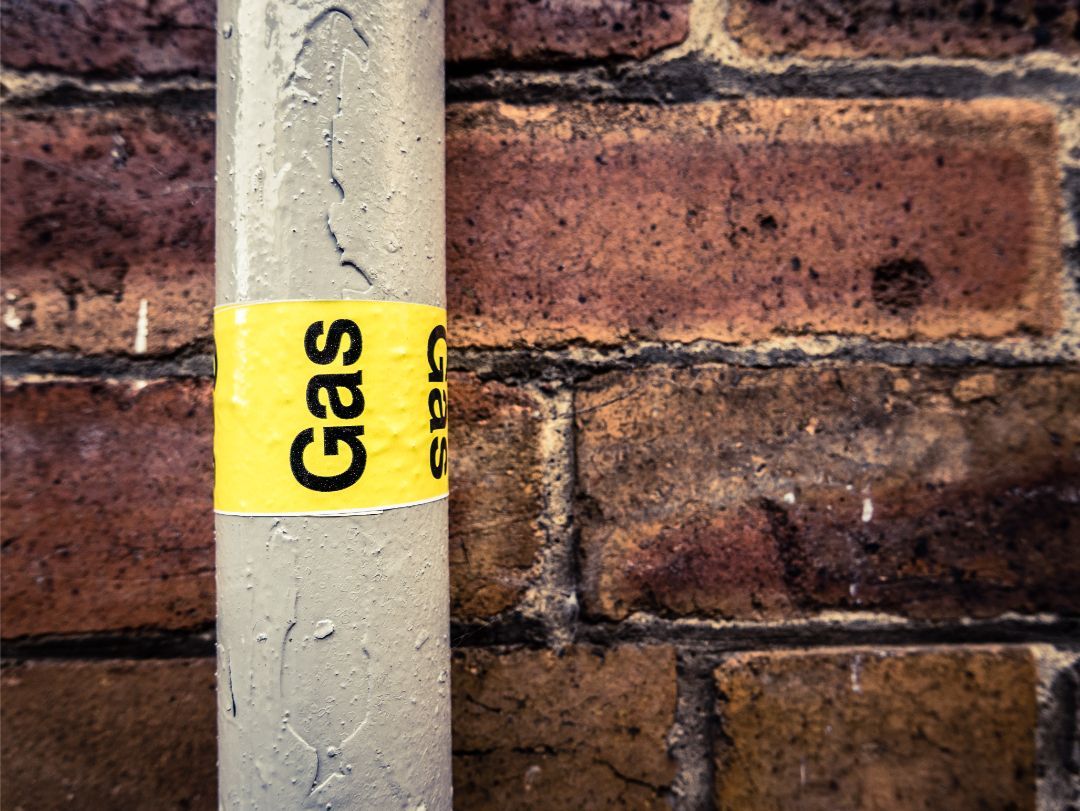
What to Expect During a Gas Line Upgrade
A gas line upgrade typically begins with a comprehensive inspection of your existing system. A licensed professional will assess gas demand, pipe sizing, materials, and overall system condition to determine the appropriate upgrade solution.
Once the plan is established, the upgrade may involve installing larger-diameter piping, replacing aging materials, or rerouting gas lines to improve efficiency and safety. All work is performed in compliance with Falls Church and Virginia building codes and includes proper permitting when required.
Safety testing is a critical part of the process. Before gas service is restored, the system is pressure-tested to confirm there are no leaks and that gas flow is properly balanced. While some upgrades can be completed in a single day, more extensive projects may require additional time depending on complexity.
After the upgrade, homeowners often notice improved appliance performance, consistent gas pressure, and increased confidence in their home’s safety. A properly upgraded gas line also prepares your home for future improvements and adds long-term value.
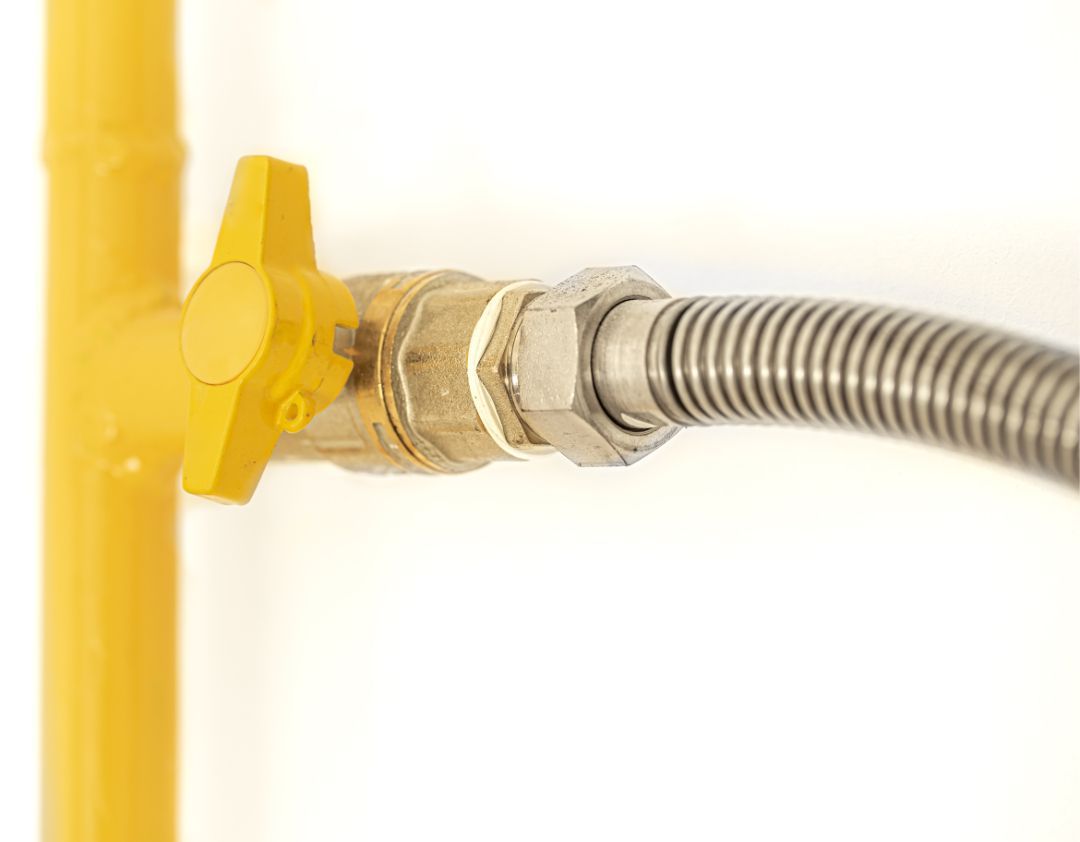
Schedule a Professional Gas Line Evaluation Today
If you’ve noticed performance issues or added new gas appliances, a gas line upgrade may be the solution. Working with experienced gas line professionals ensures the job is done safely, efficiently, and in full compliance with local codes.
Contact Nova Gas Works today to schedule a professional gas line evaluation and ensure your home’s gas system is built to meet modern demands with confidence.
Top 5 FAQs About Gas Line Upgrades
1. How do I know if my gas line is too small for my home?
If appliances struggle to perform when used simultaneously or you experience frequent pilot light issues, your gas line may be undersized.
2. Is a gas line upgrade required when installing new appliances?
Not always, but high-demand appliances often require increased gas capacity. A professional evaluation determines whether an upgrade is necessary.
3. How long does a gas line upgrade take?
Many residential upgrades can be completed in one day, though larger or more complex systems may take longer.
4. Are permits required for gas line upgrades in Falls Church VA?
Yes, most gas line upgrades require permits and inspections to ensure compliance with local and state codes.
5. Is upgrading a gas line worth it?
Yes. A gas line upgrade improves safety, appliance performance, and prepares your home for future upgrades and resale value.